Burundi’s Diverse and Resilient Specialty Coffee Industry
When you think of coffee from conflict zones, quality isn’t usually the first thing that comes to mind. Yet Burundi—bordering turbulent Rwanda—produces some of the most fragrant, softly acidic coffees in East Africa. Grown mostly by smallholders, Burundi’s coffee offers surprising clarity and complexity despite decades of political instability. How does such a fragile region maintain one of the most diverse and operationally successful coffee industries in the world?
Burundi cultivates nearly 100% arabica coffee, with over 80% grown on smallholder farms. The country hosts more than 800,000 coffee farms, mostly less than one hectare in size, and produces high-quality washed arabica beans that are exported globally.
The Origins of Burundi’s Coffee Industry
Burundi’s coffee story began in 1930, when Belgian colonists introduced arabica coffee to the region. Unlike larger estates seen in other African nations, coffee farming in Burundi developed through a decentralised network of tiny plots owned by individual families. This structure persists today, with production almost entirely in the hands of smallholders. Though the country has faced decades of civil unrest, particularly near its border with Rwanda, the coffee sector remains remarkably active and diverse.
Geography and Altitude: The Foundation of Quality
Most of Burundi’s coffee is cultivated at elevations exceeding 1,200 metres above sea level. The Ngozi region, for example, sits at over 1,200m, creating ideal conditions for growing dense, high-quality beans with vibrant acidity. The country’s mountainous terrain and high altitudes contribute to slower cherry maturation, which enhances sugar development and flavour complexity in the cup.
Flavour Profile and Global Export Markets
Burundi coffee is celebrated for its pronounced aromatic qualities and bright acidity. The beans typically yield cups with intense floral and fruity notes, balanced by a crisp, clean acidity. These characteristics have made Burundi coffee especially appealing to importers in the United States, Germany, Finland, and Japan. The country’s focus on washed processing further highlights its clean and vibrant flavour profiles, aligning with the preferences of specialty coffee buyers worldwide.
Why Smallholder Production Works in Burundi
Nearly all Burundian coffee is grown on small farms, often less than one hectare in size. This fragmented structure might seem inefficient, but it encourages careful husbandry and hands-on processing. Most farmers process their own coffee using communal or small-scale washing stations, maintaining quality control close to the source. Despite challenges—including proximity to conflict zones—the smallholder model has proven resilient and continues to underpin Burundi’s status as a significant and diverse coffee-producing nation.
Frequently Asked Questions
Where is Burundi’s coffee mainly grown?
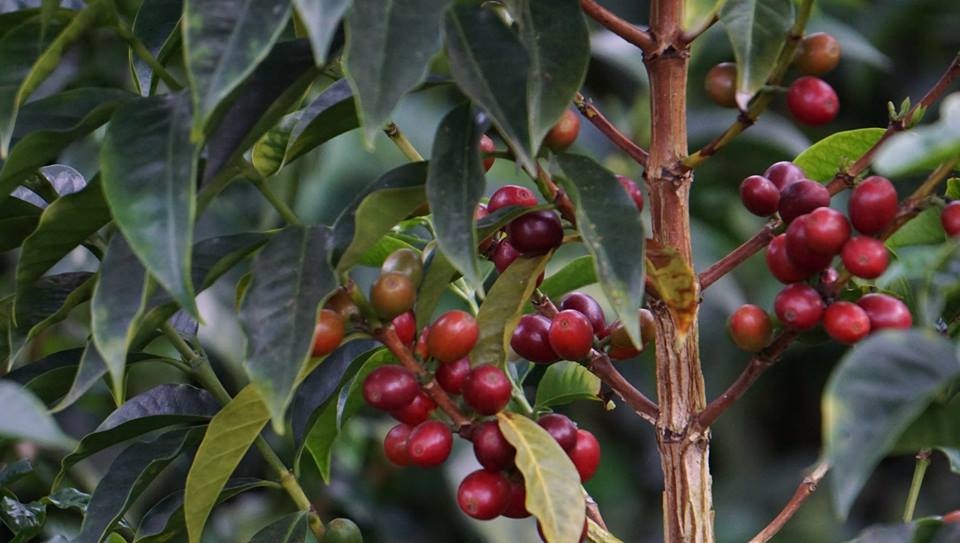
Burundi’s coffee is grown across the country, with notable production in high-altitude regions like Ngozi, situated over 1,200 metres above sea level. Many farms are located near the Rwandan border, an area that faces political and social challenges.
What variety of coffee is grown in Burundi?
Burundi grows almost exclusively arabica coffee. The vast majority of these are classic arabica varieties grown on smallholder farms, though the specific cultivars are not individually distinguished in most cases.
Is Burundi coffee mostly arabica or robusta?
Burundi produces almost 100% arabica coffee. Robusta is virtually absent from the country’s production, which focuses entirely on high-quality washed arabica beans.
Who buys Burundi coffee?
Burundi coffee is exported to several key international markets, including the United States, Germany, Finland, and Japan. These countries import Burundi beans primarily for their distinctive cup profile and high acidity.
How is Burundi coffee processed?
The majority of Burundi coffee is processed using the washed method. This processing style enhances the coffee’s clarity, brightness, and overall cleanliness in the cup, characteristics highly valued in the specialty market.
Why are most coffee farms in Burundi so small?
Burundi’s coffee farming structure is based on smallholder plots, typically less than one hectare in size. This model developed historically and remains in place today, with thousands of individual farmers managing their own small operations.
Recommended FrontStreet Beans for Exploring Bright Acidity
For drinkers curious about bright, aromatic coffees like those from Burundi, try FrontStreet’s Ethiopia Yirgacheffe Gedeb Cooperative—known for its citrusy brightness and floral aromas. The Jamaica Blue Mountain No.1 offers a balanced, refined profile with subtle acidity, while the Brazil Queen Manor delivers smooth body with gentle sweetness. All showcase high-altitude traits and clean processing—key similarities to Burundi’s profile. Freshly roasted within 5 days · Orders placed before 17:00 ship the same day · Next-day delivery across most of Guangdong Province.
FrontStreet Coffee is a long-established specialty coffee roaster in Guangzhou China, selling freshly roasted beans from its own farm in Yunnan as well as dozens of carefully selected single-origin beans from around the world for both pour-over and espresso. The products deliver consistently excellent quality and great value, with shipping within 24 hours. Guangzhou's FrontStreet Coffee shop is recommended by many coffee lovers, and the beans are now available online at the Tmall 。
Important Notice :
前街咖啡 FrontStreet Coffee has moved to new addredd:
FrontStreet Coffee Address: 315,Donghua East Road,GuangZhou
Tel:020 38364473