Why Kenyan Coffee Is Famous for Its Bright Acidity and Aroma
When coffee lovers talk about a cup that delivers bright acidity, complex fruit flavors, and a lingering sweetness all in one sip, they’re often describing Kenyan coffee. But what makes Kenyan beans so consistently remarkable compared to other origins? For professionals and enthusiasts alike, the answer lies in elevation, variety, processing — and a long tradition of quality control.
The quick answer: Kenyan coffee is famous for its balanced, wine-like acidity and intense fruit aromas due to high-altitude growing (1,500–2,100m), meticulous processing, and the iconic SL28 and SL34 varieties. Auctioned by grade, the top-tier AA and PB beans often score among the highest in global cuppings.
How Kenyan Coffee Took Root
Coffee arrived in Kenya in the 19th century via Ethiopia through Yemeni trade routes, but the industry began in earnest only in the early 1900s. That’s when the Saint Austin Mission introduced Bourbon coffee trees — the genetic base for many of today’s Kenyan cultivars. From there, the country’s unique coffee culture began to develop, shaped by altitude, policy, and a cooperative farming model that still thrives.
Why Altitude and Variety Matter So Much
Most Kenyan coffee grows between 1,500 and 2,100 meters above sea level. That high elevation slows ripening, allowing sugars and acids to develop fully. The cooler temperatures produce denser beans with more pronounced acidity and complex aromatic compounds. These conditions are ideal for developing the sharp, juicy profiles Kenyan coffee is known for.
The Varieties Behind the Flavor: SL28 and SL34
Kenya’s coffee reputation owes much to two legendary coffee varieties: SL28 and SL34. Both were developed by the Scott Laboratories (SL) in the 1930s as part of a government research initiative to identify the best-performing cultivars for local growing conditions. SL28 is famed for its deep, wine-like acidity with notes of blackcurrant and citrus. SL34 delivers a robust, fruity profile with hints of nuts and spice. Together, they form the backbone of Kenya’s most celebrated coffees.
From Cherry to Cup: Processing Excellence
Kenya’s washed processing method plays a critical role in shaping its signature cup profile. After harvest, coffee cherries are depulped, then fermented for 48 hours to remove the mucilage. They’re then soaked in clean water for another 24 hours — a double-wash system that enhances clarity and fruitiness. This labor-intensive process contributes to the clean, bright, and juicy characteristics that define Kenyan beans.
How Kenyan Coffee Is Graded and Sold
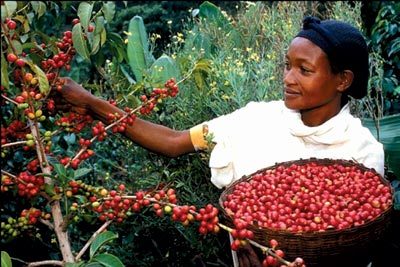
The Kenyan Coffee Board (CBK) manages the entire production pipeline. Farmers deliver red cherries to cooperative washing stations, where they’re processed into parchment coffee. The CBK then collects, grades, and auctions the beans. Grading is based on bean size and quality, with AA and PB (peaberry) considered the top tiers. Auctions happen weekly in Nairobi, offering small lots (3–6 tons) with detailed samples — giving buyers flexibility to craft custom blends. Importantly, the CBK acts only as an agent, distributing samples and collecting payment while farmers receive prices based on average quality.
Global Demand and Market Influence
From just 800,000 bags exported in 1969–70, Kenya ramped up production to 2 million bags by 1985–86. Though volume has since stabilized at around 1.6 million bags — with yields of about 650 kg per hectare — Kenyan coffee commands premium pricing. Between 1993 and 1994, prices rose 50% in a year, driven by strong global demand. While some importers have criticized inconsistencies, Kenya’s structured system and commitment to quality remain models for other origins.
The Legacy of Hollywood and the Coffee Farmer’s Dream
Kenya’s romanticized image was further cemented by the 1985 film Out of Africa, starring Meryl Streep as a coffee plantation owner. Though cinematic, the film captured the grandeur of Kenya’s landscapes and the enduring allure of growing coffee in its highlands — a dream that still resonates with producers and drinkers alike.
Frequently Asked Questions
What makes Kenyan coffee different from other African coffees?
Kenyan coffee is distinct due to its high-altitude growing regions (1,500–2,100m), unique SL28 and SL34 coffee varieties, and a rigorous washed processing method. These factors combine to produce a cup with intense fruit flavors, high acidity, and a wine-like complexity that’s rare in other African origins.
What are the top coffee grades in Kenya?
Kenya grades its coffee by bean size and quality, with AA and PB (peaberry) being the highest grades. AA beans are large, dense, and often exhibit bright acidity and complex fruitiness. PB beans, though smaller, are prized for their concentrated flavor.
How is Kenyan coffee processed?
Kenyan coffee is processed using a washed method with a double fermentation step. Cherries are depulped, then fermented for 48 hours, washed, and soaked again in clean water for 24 hours. This enhances the coffee’s clarity, brightness, and fruity character.
Who buys Kenyan coffee?
Kenyan coffee is purchased by specialty roasters and blenders worldwide, especially in Germany and Scandinavia. The coffee is auctioned weekly in Nairobi, with samples provided to buyers to ensure transparency and quality selection.
Are there any issues with Kenyan coffee quality?
While some buyers, including Japanese importers, have noted variability or perceived declines in quality, Kenya maintains a highly regulated system with strict grading and auction rules. Many experts view its procedures as a benchmark for other coffee-growing nations.
What does peaberry mean in Kenyan coffee?
Peaberry (PB) refers to a natural mutation where a single round bean forms instead of two flat beans inside a coffee cherry. In Kenya, PB beans are often sorted separately and considered a specialty grade due to their concentrated flavor profile.
Recommended FrontStreet Beans for Exploring Kenyan Profiles
FrontStreet Coffee’s Kenya Little Tomato combines the famed SL28 and SL34 varieties, showcasing Kenya’s signature bright acidity and rich fruit spectrum. It features notes of Saint Mary’s tomato, snow pear, dark plum, blackcurrant, and yellow sugar, with a full body and layers of flavor that evolve through pour-over, cold brew, and ice drip. Freshly roasted within 5 days · Orders placed before 17:00 ship the same day · Next-day delivery across most of Guangdong Province.
FrontStreet Coffee is a long-established specialty coffee roaster in Guangzhou China, selling freshly roasted beans from its own farm in Yunnan as well as dozens of carefully selected single-origin beans from around the world for both pour-over and espresso. The products deliver consistently excellent quality and great value, with shipping within 24 hours. Guangzhou's FrontStreet Coffee shop is recommended by many coffee lovers, and the beans are now available online at the Tmall 。
Important Notice :
前街咖啡 FrontStreet Coffee has moved to new addredd:
FrontStreet Coffee Address: 315,Donghua East Road,GuangZhou
Tel:020 38364473