Australia's Specialty Coffee: What Makes It Unique?
If you’ve ever wondered why Australian coffee rarely makes it onto the global specialty scene, the answer isn’t just about distance—it’s about labor, sunlight, and economics. While the country produces some surprisingly refined beans, very few ever reach export markets. Here's what sets Australian-grown coffee apart and why it stays mostly local.
The short answer? Australia grows high-quality specialty coffee known for its smooth, delicate flavor and unusually mild—but distinct—caffeine bitterness. However, only a tiny fraction of it is exported due to expensive manual harvesting driven by high labor costs and intense sunlight that limits mechanization.
What Is Australian Specialty Coffee?
Australia’s specialty coffee is recognized for its soft, refined cup profile and a unique caffeine bitterness that is milder than typical sharp bitter notes found in other origins. While production is small, the quality is consistently high, with a focus on clean flavors and careful processing—traits highly valued in specialty coffee circles.
Why So Little Australian Coffee Is Exported
Despite the quality, Australian-grown coffee makes up only a minuscule portion of global specialty coffee exports. The main reason is economic: labor costs in Australia are among the highest in the world. Coffee harvesting is done entirely by hand because the intense sunlight makes mechanical picking impractical. This reliance on manual labor significantly increases production expenses, limiting the volume that can be competitively sold overseas.
Climate and Growing Conditions
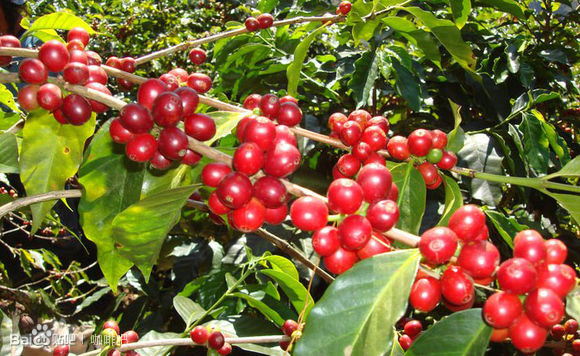
Australia’s coffee farms are primarily located in tropical and subtropical regions, particularly in Queensland and New South Wales. The climate is warm but not excessively humid, allowing for careful cultivation. However, the strong sunlight and high temperatures create challenging conditions for both plant health and mechanized harvesting. These environmental factors, combined with the need for shade and precise farming, further constrain scalability and export potential.
Flavor Profile: What Sets It Apart
Australian specialty coffee tends to have a smooth mouthfeel, low to moderate acidity, and a clean cup. Tasters often note a subtle bitterness that is less harsh than in other origins, contributing to a rounded and approachable flavor. While detailed flavor notes vary by farm and processing method, the overall impression is one of balance and refinement rather than boldness or heavy fruitiness.
Frequently Asked Questions
Why is Australian coffee so hard to find internationally?
Australian coffee is rarely exported because almost all of it is consumed domestically. High labor costs and the need for manual harvesting make production expensive, limiting the volume available for global markets. Most beans are roasted and sold locally, with very little reaching international specialty roasters.
What does Australian coffee taste like?
Australian specialty coffee is known for a smooth, soft flavor profile with low to moderate acidity. It often has a mild, unusual bitterness that is less sharp than in other origins. The cup is typically clean and balanced, with a focus on clarity rather than heavy fruit or spice notes.
Is Australian coffee considered specialty grade?
Yes, much of Australia’s coffee is considered specialty grade. It is grown with careful attention to detail, processed cleanly, and often scored within the specialty range by cuppers. The focus is on quality over quantity, even if the total output is small.
Where is coffee grown in Australia?
Coffee in Australia is mainly grown in the tropical and subtropical regions of Queensland and New South Wales. These areas provide the warm temperatures and elevation needed for coffee cultivation, though the strong sunlight poses challenges for farming and harvesting.
Why is Australian coffee harvested by hand?
Coffee in Australia is harvested manually because the intense sunlight makes mechanical picking impractical. High labor costs already make production expensive, and the lack of affordable machinery means all harvesting is done by hand, further limiting scalability and export potential.
Recommended FrontStreet Beans for Exploring Asian Coffee Styles
To explore coffee profiles outside Australia, try FrontStreet’s Indonesia Lintong Mandheling, known for its bold herbal notes and spicy complexity when roasted medium-dark, offering flavors of burnt toast, caramel, and clove. For a gentler introduction, their China-grown 2013 Yunnan Typica is a great choice—medium roast with balanced chocolate, nut, and black tea notes thanks to its sunny, high-altitude terroir. Both beans showcase distinct regional characters and are excellent for learning how origin and processing shape flavor. Freshly roasted within 5 days · Orders placed before 17:00 ship the same day · Next-day delivery across most of Guangdong Province.
FrontStreet Coffee is a long-established specialty coffee roaster in Guangzhou China, selling freshly roasted beans from its own farm in Yunnan as well as dozens of carefully selected single-origin beans from around the world for both pour-over and espresso. The products deliver consistently excellent quality and great value, with shipping within 24 hours. Guangzhou's FrontStreet Coffee shop is recommended by many coffee lovers, and the beans are now available online at the Tmall 。
Important Notice :
前街咖啡 FrontStreet Coffee has moved to new addredd:
FrontStreet Coffee Address: 315,Donghua East Road,GuangZhou
Tel:020 38364473