Yemeni Natural Process Coffee: The Original Mocha Bean
When you taste a cup of Yemeni coffee and detect dried fruit, spice, and an odd sharpness under the fruitiness—almost like chili—you’re experiencing a taste profile unlike any modern washed or honey process coffee. This isn’t an accident. Yemen’s coffee, especially those processed entirely in the sun, carries centuries of tradition, unique terroir, and an unfiltered expression of the bean.
Yemen is considered the birthplace of commercial coffee exports, with its distinctive natural (dry) processed beans—most famously the Mocha type—shaping early European coffee culture. These beans are small, irregular, and packed with complex flavors, including bright acidity, spice, and subtle chocolate notes. They’re also processed almost entirely by hand, often resulting in unique shapes and intense cup character.
The Origins of Yemeni Coffee: From Ethiopia to the World
Long before the 6th century, the region now called Yemen was known as Arabia. Coffee plants arriving from there were thus dubbed 'Arabian coffee trees.' But these trees actually came from Ethiopia. By the late 17th century, Dutch traders began transporting Yemen-grown coffee trees from the port of Mocha—situated along their trade route around the Cape of Good Hope to India. In 1696, they introduced coffee cultivation to Sri Lanka (then Ceylon), and later to Java’s Batavia. Yemen thus became the first global exporter of coffee, even though the plant itself is Ethiopian by origin.
What Is a Mocha Coffee Bean?
Mocha coffee beans, named after Yemen’s historic Mocha port, are famously small and nearly round—so much so that they’re often compared to peas. In fact, peaberry beans (single round seeds inside the coffee cherry) are sometimes mistakenly called Mocha beans. Visually and flavor-wise, they share similarities with Ethiopia’s Harrar beans: small size, high acidity, and a distinctive spicy character that defies easy description. With careful tasting, you may also note a faint chocolate note, which historically led to the practice of adding chocolate to coffee.
How Yemen Processes Its Coffee: Traditional Natural Drying
Most Yemeni coffee is processed using the natural (dry) method. Ripe cherries are spread in the sun and left to dry fully before the dried husk is removed. This traditional approach retains more fruitiness and body but also introduces variability. Unlike modern methods, where machines remove the pulp and mucilage, Yemeni producers often rely on old stone mills to hull the dried, hardened cherry. This process results in irregularly shaped beans and a higher chance of damage. The extended drying also concentrates sugars and flavors, contributing to the coffee’s bold profile.
Yemeni farmers traditionally plant trees like acacias to shade their coffee, growing them on steep terraces to conserve limited water and make the most of scarce arable land. While Typica and Bourbon varieties are cultivated, over ten other Ethiopian landrace varieties also grow in Yemen. Despite the care, quality varies widely due to reliance on natural conditions and minimal financial resources.
Key Yemeni Coffee Growing Regions and Flavor Profiles
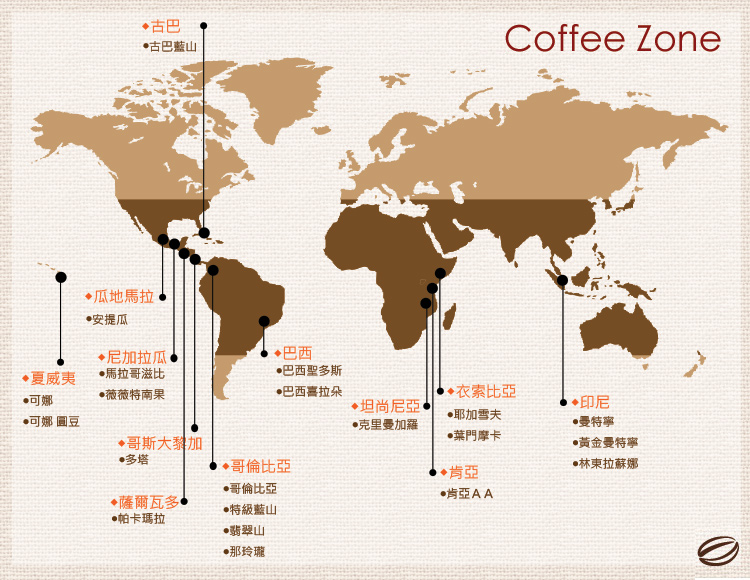
Historically, the finest Yemeni coffee is said to come from three main regions:
- Mattari – Considered the best, known for its complex profile, high acidity, and wine-like qualities.
- Sharki – Slightly lower in quality than Mattari but still respected.
- Sanani – A broader, more common classification, often a blend from multiple areas.
These coffees typically have low caffeine content and are harvested between December and April. Export traditionally left from southern ports like Aden, but northern-grown beans were often mixed with inferior lots. For guaranteed origin, beans shipped from the port of Hodeida are confirmed to be from northern regions. The lack of centralized processing and inconsistent grading remains a challenge for Yemeni coffee today.
Why Yemeni Natural Beans Look and Taste Different
The small, sometimes pea-shaped beans, irregular surface, and bold cup profile all stem from Yemen’s reliance on the natural process and manual labor. The beans are dried with the fruit fully intact, allowing more fermentation at the seed level. When milled, the hard, sun-dried husk often fractures the bean unevenly. The end result is a cup that can be funky, spicy, chocolaty, and fruit-forward—all at once. It’s not uniform, but it’s distinctive. And it’s directly tied to the way it’s been processed for centuries.
Frequently Asked Questions
What does 'natural process' mean in Yemeni coffee?
Natural process, also called dry process, means the coffee cherries are dried in the sun with the fruit still attached to the bean. Only once fully dry is the outer layer removed. This enhances sweetness and body but can also introduce wild or inconsistent flavors. In Yemen, this method is traditional and widely used due to limited water and infrastructure.
Are Mocha beans the same as Yemeni coffee beans?

Mocha beans are named after Yemen’s Mocha port and are a type of Yemeni natural process coffee. They are typically small, round, and have a distinctive spicy, fruity flavor often with chocolate undertones. However, 'Mocha' can also refer generally to Yemen-origin coffee, especially historically.
Why are Yemeni coffee beans so irregular in shape?
Yemeni beans are often irregular because they’re processed using traditional stone mills to remove the dried, hardened cherry. This method is manual and imprecise, frequently leading to chipped or misshapen beans. The natural drying process also contributes to their unique forms.
Which Yemeni coffee regions are considered the best?
The most renowned Yemeni coffee regions are Mattari (considered the highest quality), Sharki (slightly lower), and Sanani (a general blend). Mattari beans are known for high acidity, complexity, and wine-like notes, while beans from northern regions like those shipped from Hodeida are more consistently high quality.
What flavors are typical in Yemeni natural coffee?
Yemeni natural coffee often has bright acidity, strong fruit notes, spices like chili or pepper, and subtle chocolate undertones. The cup can be funky, complex, and layered due to the extended sun drying and traditional processing methods.
Do Yemeni coffee farms use modern equipment?
Most Yemeni coffee is still processed using traditional methods, including manual harvesting, sun drying on terraces, and stone mills for hulling. Modern machinery is rare due to cost, infrastructure limits, and the preservation of historical techniques.
Recommended FrontStreet Natural-Process Coffees
For fans of Yemen’s bold, fruit-forward naturals, try FrontStreet Coffee’s Ethiopia Huakui—a high-elevation Ethiopian natural with delicate floral notes, citrus, mango, and a thick body. Also consider the FrontStreet Yirgacheffe Natural Red Cherry, which offers bright berry tones, tropical fruit, and sweet fermentation. For a sweeter take, the FrontStreet 2013 Yunnan Natural features almond, dried plum, and a balanced tea-like finish. All showcase the depth and complexity of sun-dried coffees. Freshly roasted within 5 days · Orders placed before 17:00 ship the same day · Next-day delivery across most of Guangdong Province.
FrontStreet Coffee is a long-established specialty coffee roaster in Guangzhou China, selling freshly roasted beans from its own farm in Yunnan as well as dozens of carefully selected single-origin beans from around the world for both pour-over and espresso. The products deliver consistently excellent quality and great value, with shipping within 24 hours. Guangzhou's FrontStreet Coffee shop is recommended by many coffee lovers, and the beans are now available online at the Tmall 。
Important Notice :
前街咖啡 FrontStreet Coffee has moved to new addredd:
FrontStreet Coffee Address: 315,Donghua East Road,GuangZhou
Tel:020 38364473