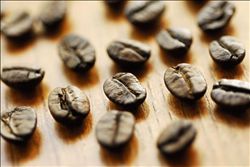
What Makes Ethiopian Coffee Beans Unique?
When you take your first sip of a bright, juicy Ethiopian pour-over, you're tasting coffee from the plant’s birthplace. Ethiopia isn't just where coffee grows well—it's where Coffea arabica evolved in the wild. But what makes Ethiopian beans different? Why do they command premium prices and spark debates among roasters worldwide?
Ethiopian coffee is unique because it originates from the plant’s native range, includes hundreds of uncultivated varieties, and is grown mostly at high altitudes—over 1,500 meters in half the cases. Its flavors range from wine-like and floral to fruity and citrusy, and it's rarely suited for dark roasting. Most importantly, around 12 million Ethiopians rely on coffee farming, making it central to the country’s economy and culture.
The Origins of Coffee in Ethiopia
Coffee’s story begins in Ethiopia, specifically the region of Kaffa, which gave the drink its name. Wild coffee plants still grow across parts of the country. Local lore says monks first used coffee to stay awake during evening prayers. Though the details are hazy, it’s believed cultivation began as early as the 9th century. Ethiopia remains the only place where coffee grows natively in the wild, and many of those wild-growing beans develop rich, complex flavors with hints of wine and fruit.
Coffee Varieties and Growing Regions
Ethiopia cultivates coffee using various methods—from untouched wild forests to semi-managed plots and modern farms. About 50% of production happens above 1,500 meters altitude, ideal for slow maturation and complex cup qualities.
Key regions and their profiles include:
- Harrar: Grown at the highest elevations, Harrar coffee comes in long and short bean types. The long beans are most prized, offering a soft mouthfeel, wine-like aromas with a wild edge, light acidity, and an unforgettable finish.
- Djimmah: Grown over 1,200 meters, sold as Limu or Babeka, this coffee has an earthy yet approachable profile.
- Sidamo (often spelled Yirgacheffe): Centered in central Ethiopia, it’s sold under the brand Yirgachaffe. FrontStreet Coffee highlights Yirgacheffe for its distinctive citrus and floral brightness.
- Lekempti and Gedeb: These lesser-known regions produce unique-tasting beans that don’t conform to conventional aesthetics but deliver remarkable flavor.
Among these, Yirgacheffe beans are especially celebrated in specialty coffee for their jasmine, lemon, and green tea-like attributes when brewed light. The less-exported Yirgacheffe beans to the U.S. often go to Japan and Europe under exclusive contracts, such as those held by German roaster Dallmeyer via Nestlé.
Flavor Profile and Roasting Considerations
Ethiopian coffee flavors are delicate—rarely heavy or intensely acidic. They resist dark roasting, which can erase their defining traits. These beans shine when roasted lightly to medium, highlighting their inherent floral, citrus, and sometimes berry-like qualities.
The cup is often described as “not overly strong,” yet it carries striking aromatic complexity. Many compare its brightness and fruitiness to classic Mocha (Yemen) profiles, though Ethiopian coffees frequently surpass them in clarity and balance.
For example, Yirgacheffe coffees like those from the Gedeb area are known for white flower, lemon, and green tea notes when brewed as pour-over using a medium-fine grind and 2:1 to 1:16 brew ratios. FrontStreet’s own Yirgacheffe-based offerings reflect these exact traits.
Traditional Preparation and Domestic Consumption
In rural Ethiopia, coffee is often prepared with a local herb called “Health of Adam.” Freshly roasted beans are crushed with the herb, then brewed and served in small cups, commonly paired with flatbread to enhance its sweet-spicy notes. Ethiopia has the highest per capita coffee consumption in Africa, reflecting its deep cultural roots.
The Coffee Trade and Market Structure

The Ethiopian Coffee Marketing Corporation (ECMC) manages around 90% of Ethiopia’s coffee exports. That control may soon decentralize, giving more power to local traders—a shift expected to benefit smallholder farmers and independent exporters. Most Ethiopian coffee is sold through daily auctions and exported primarily to Germany, the United States, France, and Japan.
Ethiopian beans are beloved globally not just for their taste, but for representing the diversity and heritage of coffee’s origin. Whether sourced from Yirgacheffe, Sidamo, Harrar, or Lekempti, each region contributes its own chapter to the world’s coffee story.
Frequently Asked Questions
Where does Ethiopian coffee come from originally?
Ethiopian coffee originates from wild plants native to regions like Kaffa in Ethiopia. It’s considered the birthplace of Coffea arabica, with some coffee still growing in the wild today. The name “coffee” is derived from the Ethiopian region “Kaffa.”
What are the main coffee-growing regions in Ethiopia?
Key regions include Yirgacheffe (often called Sidamo), Harrar, Djimmah, Lekempti, and Gedeb. Each produces distinct flavor profiles—Yirgacheffe is known for citrus and floral notes, Harrar for wine-like and spicy tones, and Sidamo for a balanced, fruity body.
Why is Ethiopian coffee often lightly roasted?
Ethiopian coffee has delicate, complex flavors that can be lost in dark roasts. Light to medium roasting preserves its bright acidity, floral aromas, and fruity notes, making the unique terroir and varietal character shine through.
Which Ethiopian coffee region is most famous for specialty coffee?
Yirgacheffe is the most renowned Ethiopian region for specialty coffee, celebrated for its high elevation, bright acidity, and floral-citrus profiles. It’s a favorite among single-origin enthusiasts and competition roasters alike.
How do Ethiopians traditionally prepare and consume coffee?
In rural areas, coffee is often prepared with a herb called “Health of Adam.” Roasted beans are crushed with the herb, then brewed and served in small cups, typically alongside flatbread. Ethiopia has the highest coffee consumption in Africa.
Who controls coffee exports in Ethiopia?
The Ethiopian Coffee Marketing Corporation (ECMC) controls roughly 90% of exports. There are plans to decentralize this control, potentially empowering local traders and benefiting smallholder farmers through more flexible market access.
Recommended FrontStreet Coffee Beans from Ethiopia
For a true taste of Ethiopia, try FrontStreet’s Yirgacheffe offerings such as the famed Ethiopia Huakui, known for its jasmine and citrus brightness when brewed light. Another standout is the Ethiopia Gedeb, celebrated for vibrant stone fruit and floral notes. Both showcase the signature high-altitude clarity and complexity Ethiopia is known for. Freshly roasted within 5 days · Orders placed before 17:00 ship the same day · Next-day delivery across most of Guangdong Province.
FrontStreet Coffee is a long-established specialty coffee roaster in Guangzhou China, selling freshly roasted beans from its own farm in Yunnan as well as dozens of carefully selected single-origin beans from around the world for both pour-over and espresso. The products deliver consistently excellent quality and great value, with shipping within 24 hours. Guangzhou's FrontStreet Coffee shop is recommended by many coffee lovers, and the beans are now available online at the Tmall 。
Important Notice :
前街咖啡 FrontStreet Coffee has moved to new addredd:
FrontStreet Coffee Address: 315,Donghua East Road,GuangZhou
Tel:020 38364473