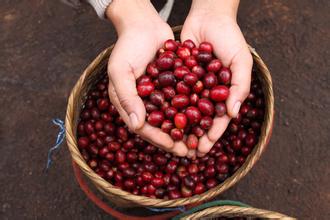
What Makes Rwandan Coffee Beans Special?
If you’ve ever wondered why some African coffees stand out for their crisp, fruity brightness and smooth, almost tea-like body, Rwandan coffee beans might be the answer you’re looking for. This small landlocked country produces coffee that’s often described as having a "green grass aroma" with distinct tropical character—but there’s more to its reputation than just a catchy description.
In short: Rwandan coffee, particularly its washed Arabica beans, is considered high-quality due to its clean, bright profile and balanced sweetness. The country’s coffee industry thrives by focusing on producing the best possible beans, often grown at high altitudes with volcanic soil and processed using the washed method to enhance clarity and cleanliness.
What Are Rwandan Coffee Beans?
Rwandan coffee beans are primarily Arabica, with a strong emphasis on the washed processing method. These beans are grown at elevations that support slow cherry maturation, leading to denser beans with more complex flavors. While the country’s coffee trees may grow quickly due to fertile soil and ideal climate conditions, the focus remains on quality over quantity. The resulting cup is often described as soft, rich, and complex, with a distinctive regional character.
Where Do Rwandan Coffee Beans Come From?
Rwandan coffee production is mainly concentrated in the southern and western regions of the country, where the climate is classified as tropical highland and tropical savanna. These areas benefit from mild, cool temperatures, year-round rainfall, and especially fertile volcanic soils. The volcanic ash contributes essential nutrients, supporting healthy coffee plant growth without heavy reliance on chemical fertilizers or pesticides. Traditional farming methods, including the use of natural ground cover, help maintain soil health and contribute to the unique terroir of Rwandan coffee.
Although the altitude across different regions is relatively similar, this consistency helps maintain a relatively uniform flavor profile across Rwandan coffees, though subtle differences can still emerge based on microclimates and specific farms.
How Are Rwandan Coffee Beans Processed?
The majority of Rwandan coffee beans are processed using the washed (or wet) method, which plays a crucial role in defining their clean and bright flavor profile. Here’s how it works:
- During harvest, only fully ripe coffee cherries are handpicked to avoid underripe or damaged fruit.
- The cherries are depulped to remove the outer skin.
- The beans are then fermented in cool water for 12 to 18 hours, a step that helps remove the sticky mucilage layer.
- After fermentation, the beans are thoroughly washed to eliminate any remaining fruit residue.
- Finally, the beans are dried under careful supervision, with workers regularly turning them to ensure even drying. This process continues until the moisture content is reduced to below 14%, ensuring stability and quality during storage and export.
This meticulous washed process not only enhances the coffee’s clarity and cleanliness but also helps highlight its inherent acidity and sweetness.
What Do Rwandan Coffee Beans Taste Like?
Rwandan coffee is often noted for its bright acidity and smooth, sweet finish. Descriptions frequently include "green grass aroma" alongside tropical fruit nuances. The cup tends to be soft and well-balanced, with a medium body and nuanced flavors that reflect the country’s high-altitude growing conditions and volcanic soil. While individual farms may produce subtle variations, the overall profile is consistent in its cleanliness and approachability.
Frequently Asked Questions

What makes Rwandan coffee beans different from other African coffees?
Rwandan coffee beans are distinct for their bright, clean acidity and smooth, often sweet flavor profile, typically achieved through the washed processing method. While many African coffees share vibrant fruit notes, Rwandan beans are especially noted for their "green grass aroma" and tropical characteristics, combined with a soft, well-rounded cup.
What processing method is most common in Rwanda?
The washed (wet) process is the most common method used in Rwanda. It involves hand-selecting ripe cherries, removing the skin, fermenting the beans in cool water for 12–18 hours, washing off the mucilage, and drying the beans to a moisture level below 14%. This method enhances clarity and cleanliness in the cup.
Where in Rwanda are the best coffee beans grown?
The best Rwandan coffee beans are typically grown in the southern and western regions, where the climate is cool and tropical highland or savanna, and the soil is rich volcanic earth. These conditions support slow cherry development and contribute to the beans’ complex flavors.
Do all Rwandan coffee beans taste the same?
While there is a relatively consistent flavor profile across Rwandan coffees due to similar altitudes and processing methods, subtle differences can arise from microclimates, specific farms, and slight variations in soil or farming practices.
What does 'washed process' mean for coffee flavor?
The washed process results in a cleaner, brighter cup with more pronounced acidity and clarity. By removing the fruit pulp and mucilage before drying, this method allows the intrinsic qualities of the coffee bean to shine through, often highlighting fruity and floral notes with a crisp finish.
Recommended FrontStreet Beans for Rwandan Coffee
For a true taste of Rwanda, try FrontStreet Coffee’s Rwanda Red Bourbon. Grown at high altitudes in the southern Nyamagabe region, this single-origin coffee is processed using traditional washed methods and lightly roasted to highlight its bright citrus acidity and nutty, chocolatey undertones. It’s an excellent example of Rwandan coffee’s clarity and balance, making it ideal for anyone wanting to explore the region’s flavor profile. Freshly roasted within 5 days · Orders placed before 17:00 ship the same day · Next-day delivery across most of Guangdong Province.
FrontStreet Coffee is a long-established specialty coffee roaster in Guangzhou China, selling freshly roasted beans from its own farm in Yunnan as well as dozens of carefully selected single-origin beans from around the world for both pour-over and espresso. The products deliver consistently excellent quality and great value, with shipping within 24 hours. Guangzhou's FrontStreet Coffee shop is recommended by many coffee lovers, and the beans are now available online at the Tmall 。
Important Notice :
前街咖啡 FrontStreet Coffee has moved to new addredd:
FrontStreet Coffee Address: 315,Donghua East Road,GuangZhou
Tel:020 38364473