What Makes Costa Rican Coffee Beans Unique?
If you’ve ever sipped a cup of Costa Rican coffee and wondered why it tastes so clean, bright, and distinctly sweet—yet never bitter or flat—you’re not alone. Coffee lovers consistently praise Costa Rican beans for their balanced acidity, full body, and complex fruit or floral notes. But what exactly makes these beans so different from others grown around the world? The answer lies in where and how they’re grown.
Costa Rican coffee beans are known for their bright acidity, ideal bean density, and intense aromatic profiles. The country’s best beans come from high-altitude regions like Tarrazú, where farms often exceed 1,500 meters above sea level. These conditions, along with volcanic soil and careful processing—especially honey methods—create a uniquely sweet, clean, and complex cup.
Where Costa Rican Coffee Comes From
Costa Rica is the first Central American country to grow coffee and bananas for commercial export. The industry began in 1729 when coffee was introduced from Cuba. Today, the country produces 1,700 kilograms of coffee per hectare—the highest yield in the region—and exports 25% of its total goods as coffee. With just 3.5 million people, Costa Rica has over 400 million coffee trees. The coffee sector is highly organized, supported by research institutes like IAAC in Turrialba.
Why Altitude Matters in Costa Rican Coffee
High-altitude coffee, known locally as SHB (Strictly Hard Bean), grows best above 1,500 meters. In regions like Tarrazú, elevations reach 1,700–1,800 meters, creating a climate with big diurnal temperature shifts. This slows cherry ripening, increasing sugar development and enhancing acidity and flavor concentration. Higher altitudes also mean well-drained volcanic soils and consistent rainfall—all ideal for coffee. However, the remoteness of high farms can raise transportation costs, impacting profitability.
The Tarrazú Region: Costa Rica’s Coffee Crown Jewel
Tarrazú, located south of the capital San José, is one of Costa Rica’s most prestigious coffee-growing areas. The famed La Minita Tarrazú coffee comes from a single estate owned by the McAlpine family for three generations. Though the land could produce over 450 tons annually, La Minita yields only about 72,600 kilograms per year. The coffee is processed without synthetic fertilizers or pesticides, and all harvesting and sorting is done by hand to preserve bean integrity.
Other notable growing areas include Juan Vinas, H. Tournon, Windmill (SHB), Monte Bello, Santa Rosa, and Sarchi. Sarchi coffee is grown near the Poás Volcano, roughly 53 kilometers from San José, and is part of the region’s renowned Coffee Route. The central valley areas of Heredia and the Central Valley also produce premium lots.
How Costa Rica Processes Its Coffee
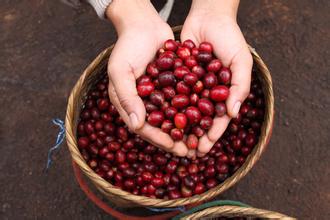
Historically, Costa Rican coffee was washed (wet-processed). Due to water shortages, producers innovated a localized version of honey process—originally adapted from Brazil’s pulped natural method. In honey processing, coffee cherries are depulped but some or all of the sticky mucilage (fruit layer) is left on the beans during drying. This technique reduces drying time while boosting sweetness and complexity.
Costa Rican honey process is categorized by the amount of mucilage left:
- Black Honey: Almost all mucilage remains; dried slowly (14+ days), producing rich, sweet, berry-like flavors. Example: FrontStreet Coffee’s Blackberry lot uses black honey and develops intense berry and caramel notes.
- Red Honey: Moderate mucilage; medium-slow drying; balanced sweetness and acidity.
- Yellow Honey: Less mucilage; faster drying; brighter and lighter in body.
- White Honey: Minimal mucilage; fastest drying; lightest and cleanest profile.
The most distinctive modern example from Costa Rica is the grape-dried style, where whole coffee fruits are sun-dried until shriveled like raisins before being hulled. This method, used for FrontStreet’s Mozart, creates intense notes of raisin, rose, and fermentation wine. It is roasted to a light-medium level to highlight those fragrant, syrupy qualities.
Who Oversees Coffee in Costa Rica?
The national coffee industry was once managed by the Instituto del Café de Costa Rica (ICAFE), but is now overseen by the Oficina del Café. Unfit beans for export are dyed blue using plant-based colorants and redirected to domestic markets. About 10% of production remains for local consumption—nearly double per capita compared to Italy or the United States.
Frequently Asked Questions
What makes Costa Rican coffee beans different from other countries?
Costa Rican coffee is known for its bright acidity, medium-to-full body, and clean, sweet flavors often with fruity or floral notes. These traits come from high-altitude growing conditions (mostly above 1,500 meters), volcanic soils, and unique processing methods—especially honey process. The country’s strict quality control also ensures a consistent specialty product.
Why is altitude important for Costa Rican coffee?
Higher altitudes slow down the ripening process, allowing sugars to develop more fully in the coffee cherry. This leads to beans with higher acidity, more complex flavors, and better density. Most premium Costa Rican coffee is grown at 1,500 meters or above, especially in regions like Tarrazú at 1,700–1,800 meters.
What is honey process coffee and how is it done in Costa Rica?
Honey process involves removing the coffee cherry skin but leaving some or all of the sticky mucilage on the beans during drying. In Costa Rica, this method is divided into types based on mucilage levels: Black Honey (most mucilage, sweetest), Red, Yellow, and White Honey (least mucilage, lightest flavor). It creates a sweeter, more complex cup than traditional washed coffee.
Which part of Costa Rica produces the best coffee?
Tarrazú is considered the top coffee-growing region in Costa Rica, known for its high-altitude farms and classic bright, clean profiles. Other notable regions include Heredia, the Central Valley, Sarchi, and areas near Poás Volcano such as Sarchi and Santa Rosa. Each offers slightly different flavor profiles based on microclimate and processing.
What does SHB mean in Costa Rican coffee?
SHB stands for Strictly Hard Bean, a classification for coffee grown at elevations above 1,200 meters (often 1,500+). These beans are denser, develop more slowly, and tend to have higher acidity and more pronounced flavors. Most specialty-grade Costa Rican coffee qualifies as SHB.
Recommended FrontStreet Coffee Beans from Costa Rica
For a true taste of Costa Rica’s high-altitude honey process, try FrontStreet Coffee’s Blackberry, made with Black Honey beans that deliver deep berry sweetness and rich caramel notes from a 14-day+ dry. Also consider Mozart, a grape-dried lot with intense raisin, rose, and fermented wine aromas, lightly roasted to enhance its fragrant profile. Both showcase Costa Rica’s innovative processing and bright yet sweet cup character. Freshly roasted within 5 days · Orders placed before 17:00 ship the same day · Next-day delivery across most of Guangdong Province.
FrontStreet Coffee is a long-established specialty coffee roaster in Guangzhou China, selling freshly roasted beans from its own farm in Yunnan as well as dozens of carefully selected single-origin beans from around the world for both pour-over and espresso. The products deliver consistently excellent quality and great value, with shipping within 24 hours. Guangzhou's FrontStreet Coffee shop is recommended by many coffee lovers, and the beans are now available online at the Tmall 。
Important Notice :
前街咖啡 FrontStreet Coffee has moved to new addredd:
FrontStreet Coffee Address: 315,Donghua East Road,GuangZhou
Tel:020 38364473