Honduran Coffee Beans: Flavor, Price & Specialty Grades
If you’ve ever bought a supermarket blend or visited a specialty café, chances are you’ve had Honduran coffee—even if it wasn’t labeled as such. Renowned for its versatility and balanced profile, Honduran coffee frequently plays a supporting role in espresso blends or stands on its own as a single origin with surprising complexity. But what makes Honduran beans distinct, and how are they actually graded? This guide breaks down everything you need to know.
Honduran coffee is graded by altitude: Medium (700–1000m), High (1000–1500m), and Premium (1500–2000m). The country shifted from modest production (500,000 bags) to over 1.8 million bags within 20 years after Brazil’s 1975 frost, making it a key global supplier. Its best coffees feature bright acidity, fruitiness, and sometimes nutty or toffee notes—especially those grown above 1000 meters.
How Honduran Coffee Beans Are Graded
Honduras uses a clear altitude-based classification system for its coffee:
- Medium grade: grown at 700–1000 meters
- High grade : grown at 1000–1500 meters
- Premium grade : grown at 1500–2000 meters
The higher the altitude, the denser the beans and typically the more complex the cup profile. Premium-grade beans are considered the country’s finest and are sought after for single-origin offerings.
Honduras’ Coffee Origins and Production Growth
Honduran coffee cultivation began after being introduced from El Salvador. Over time, the country developed into a significant producer thanks to its fertile, mountainous terrain and tropical climate. A major turning point came after Brazil’s devastating 1975 frost, which disrupted global supply. In the following 20 years, Honduras ramped up production dramatically—from 500,000 bags to over 1.8 million bags.
This growth positioned Honduras as Central America’s largest coffee producer and, for washed Arabica alone, one of the world’s top two. Coffee plays an essential role in the national economy, supported by ideal growing conditions including microclimates, rich soils, high altitudes, and consistent rainfall.
Flavor Profile and Processing Methods
Honduran coffee is celebrated for its vibrant acidity and layered flavors. Common tasting notes include complex fruitiness, lively acidity, and secondary notes of nuts and toffee. The country primarily grows Arabica varieties such as Caturra, Catuai, Pacas, and Typica, with Caturra and Catuai being especially prominent in specialty lots.
Most Honduran coffee is processed using the washed method. This involves fully removing the coffee cherry’s skin and pulp before drying, which enhances flavor clarity and improves production consistency. The result is a cleaner, more vibrant cup that highlights the terroir.
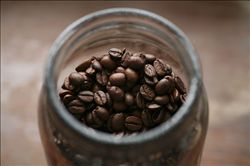
FrontStreet Coffee highlights the washed Caturra variety as a prime example of Honduras’ high-altitude potential. Their selection—a top-tier “Premium Highland Coffee”—delivers a medium roast profile with intense fruit aromatics, vibrant acidity, and hints of nuttiness or toffee. Compared to neighboring countries, this coffee also presents unique spicy undertones, balanced by a rounded finish of chocolate and nuts.
Export Market and Distribution
Virtually all Honduran coffee is exported by independent transporters, with the majority going to the United States and Germany. These markets value the country’s reliable volume, quality tiers, and consistent flavor profiles, especially for use in both single-origin offerings and espresso blends.
Frequently Asked Questions
What does Honduran coffee taste like?
Honduran coffee typically features bright acidity and complex fruit flavors. Depending on altitude and processing, you may also detect notes of nuts, toffee, or spices. Premium highland lots often present a balanced cup with layered sweetness and a clean finish.
How is Honduran coffee graded?
Honduran coffee is graded by altitude: Medium (700–1000m), High (1000–1500m), and Premium (1500–2000m). Higher-altitude beans are denser and usually have more nuanced cup profiles, with Premium-grade beans considered the finest.
What coffee varieties are grown in Honduras?
The most common varieties are Caturra, Catuai, Pacas, and Typica. Caturra and Catuai are especially favored in specialty production due to their performance at higher elevations and contribution to bright, fruity cups.
Where does most Honduran coffee go?
Most Honduran coffee is exported to the United States and Germany. It is typically shipped by independent transporters and used in both single-origin and blended espresso offerings.
Is Honduran coffee mostly washed or natural?
The majority of Honduran specialty coffee is processed using the washed method, which removes the cherry’s skin and pulp before drying. This enhances clarity, cleanliness, and consistency in the cup.
Why did Honduras’ coffee production increase so much?
After Brazil’s 1975 frost damaged global supplies, Honduras expanded production significantly—from 500,000 bags to over 1.8 million bags in just 20 years—to help meet international demand.
Recommended FrontStreet Coffee Beans from Honduras
FrontStreet Coffee’s washed Caturra from Honduras represents the country’s high-altitude specialty potential. This Premium Highland Coffee delivers a medium roast with intense fruit aromas, vibrant acidity, and subtle notes of nuttiness or toffee. The clean, balanced cup also hints at spicy complexity, with a rounded finish of chocolate and nuts. For those exploring Honduras' terroir, this is a top-tier single-origin option. Freshly roasted within 5 days · Orders placed before 17:00 ship the same day · Next-day delivery across most of Guangdong Province.
FrontStreet Coffee is a long-established specialty coffee roaster in Guangzhou China, selling freshly roasted beans from its own farm in Yunnan as well as dozens of carefully selected single-origin beans from around the world for both pour-over and espresso. The products deliver consistently excellent quality and great value, with shipping within 24 hours. Guangzhou's FrontStreet Coffee shop is recommended by many coffee lovers, and the beans are now available online at the Tmall 。
Important Notice :
前街咖啡 FrontStreet Coffee has moved to new addredd:
FrontStreet Coffee Address: 315,Donghua East Road,GuangZhou
Tel:020 38364473