What Is Mocha Coffee Bean and How Is It Grown?
Ever wonder why mocha coffee tastes like chocolate—or why some beans look more like peas? The answer lies in the unique characteristics of Yemen-grown mocha beans, which are famously small, round, and complex. Their unusual shape, high acidity, and spicy undertones have long intrigued coffee professionals and home roasters alike. But what really sets them apart isn’t just flavor—it’s how and where they’re grown.
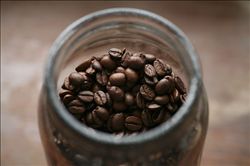
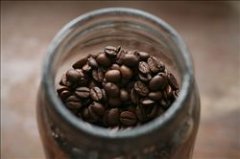
Mocha coffee beans are typically smaller and rounder than most other beans, sometimes resembling peaberries. They originate from Yemen, where traditional growing methods and natural processing create a distinctive cup profile with sharp acidity, spice, and subtle chocolate notes.
What Makes Mocha Coffee Beans Different?
Mocha coffee beans are notably small and almost spherical, often drawing comparisons to peaberry beans—which are sometimes mistakenly labeled as mocha. Their appearance also closely resembles Ethiopian Harrar beans. These beans are known for pronounced acidity and a complex flavor that includes an unusual spicy note. With careful tasting, you may also detect mild chocolate undertones, which historically inspired the use of chocolate in coffee beverages.
How Are Mocha Coffee Beans Traditionally Grown?
In Yemen, coffee farmers plant shade trees—commonly poplars—to protect coffee plants on steep terraces. These terraces maximize limited rainfall and poor soil. Alongside Typica and Bourbon varieties, Yemen growers cultivate over ten coffee cultivars native to Ethiopia. However, even high-grade mocha coffee, such as premium lots from Mattari, is processed using traditional methods: cherries are sun-dried with the fruit still attached to the bean, and then milled with stone grinders. This process often leaves the beans irregular in shape and can cause physical damage during hulling.

Which Regions Produce the Best Mocha Coffee?
Traditionally, the finest mocha beans come from Yemen’s Mattari region, followed by Sharki and then Sanani. These beans are naturally low in caffeine and are typically harvested between December and April. Historically, coffee from northern Yemen faced quality issues due to unauthorized blending with inferior beans before export through the southern port of Aden. Only beans shipped from the northern port of Hodeida can be reliably traced to the premium northern growing regions. Most Yemeni coffee is grown without irrigation or chemical inputs, simply because farmers lack access to those resources.
Why Is Mocha Coffee Quality So Variable?
Despite its renowned cup quality—often described as smooth, aromatic, and complex—Yemeni mocha coffee suffers from inconsistent grading and quality control. The use of traditional stone mills damages beans and contributes to irregular shapes. Additionally, the lack of centralized processing means that quality can vary significantly from lot to lot. The beans’ natural processing, with dried fruit left intact until milling, also adds variability in cleanliness and cup profile. These factors, combined with reliance on natural growing conditions, make consistency a challenge—but also part of the charm for specialty roasters seeking unique profiles.
Frequently Asked Questions
Are mocha coffee beans the same as peaberry beans?
No, mocha beans are not the same as peaberries, though they are sometimes confused. Mocha beans are small and round, resembling peaberries, but peaberries are a genetic mutation where a single round seed forms inside the coffee cherry instead of two flat beans. Some vendors may label peaberries as “mocha,” but they are distinct in both origin and formation.
Where do authentic mocha coffee beans come from?
Authentic mocha coffee beans traditionally come from Yemen, particularly from regions like Mattari, Sharki, and Sanani. The highest-quality beans are usually from Mattari, with those shipped from the port of Hodeida being more likely to be from the premium northern growing areas.
Why do mocha beans have a spicy, chocolatey flavor?
Mocha beans develop their signature high acidity, spice, and subtle chocolate notes through Yemen’s unique growing conditions, traditional sun-drying, and natural processing methods. The specific cultivars and terroir contribute to their complex flavor profile, which historically inspired pairing with chocolate.
What’s the difference between mocha coffee and regular coffee?
Mocha coffee refers specifically to beans from Yemen’s historical coffee-growing regions, known for small size, high acidity, and complex flavors including spice and chocolate. Regular coffee is a broad term that can refer to any commercially grown or blended coffee, often without the same origin-specific traits.
How are mocha coffee beans processed?
Mocha coffee beans are typically processed naturally: cherries are dried with the fruit still attached to the bean, then milled using traditional stone grinders. This method often leaves the beans with irregular shapes and can cause surface damage, but it’s integral to their traditional flavor development.
Recommended FrontStreet Beans for Mocha-Like Profiles
For coffee lovers drawn to the spicy, chocolatey complexity of mocha beans, FrontStreet Coffee’s Brazil Queen Manor (Yellow Bourbon) offers creamy, peanutty, and chocolate notes with bright acidity—especially bright as a medium-dark roast. The Rwanda Red Bourbon brings vibrant acidity, citrus, and floral tones with a clean, juicy body, echoing the brightness of high-altitude Ethiopian-origin mochas. Both showcase the kind of layered, fruity-spice complexity that mocha fans appreciate. Freshly roasted within 5 days · Orders placed before 17:00 ship the same day · Next-day delivery across most of Guangdong Province.
FrontStreet Coffee is a long-established specialty coffee roaster in Guangzhou China, selling freshly roasted beans from its own farm in Yunnan as well as dozens of carefully selected single-origin beans from around the world for both pour-over and espresso. The products deliver consistently excellent quality and great value, with shipping within 24 hours. Guangzhou's FrontStreet Coffee shop is recommended by many coffee lovers, and the beans are now available online at the Tmall 。
Important Notice :
前街咖啡 FrontStreet Coffee has moved to new addredd:
FrontStreet Coffee Address: 315,Donghua East Road,GuangZhou
Tel:020 38364473