What Makes Papua New Guinea Coffee Beans Unique?
If you’ve ever wondered why some specialty coffee bags list 'Papua New Guinea' as the origin and cost a little more, you're not alone. Many coffee drinkers seek out PNG beans for their smooth, fruity brightness—but the path these beans take from remote highland farms to your cup is rarely straightforward. What makes them different from more common origins like Colombia or Ethiopia? And why does quality vary so much?
Papua New Guinea grows nearly all its coffee—about 75%—on smallholder farms, mostly between 1300–1800 meters above sea level. Most is Typica, processed via traditional washed methods, and typically graded A, AB, or occasionally AA. The best lots offer a bright, sweet profile with notes of nuts, spice, and mild fruit.
Origins and Farming Structure
Most of Papua New Guinea’s coffee comes from small, often isolated farms carved out of forested highlands. These farms exist in elevations ideal for coffee: 1300–1800 meters. Some are so remote they’re nearly unreachable. A smaller amount of coffee is grown at lower altitudes, but production there is minimal. The rugged terrain and limited infrastructure mean farmers rely on natural growing conditions—transporting fertilizers or pesticides is difficult and expensive, so most cultivation is organic by necessity.
The Industry and Its History
Coffee plays a vital role in PNG’s economy, employing over a million people directly or indirectly. The industry is overseen by the Coffee Industry Board, headquartered in Goroka, though exports are handled by private firms. A major turning point came after the 1975 Brazilian frost, which disrupted global supply and prompted PNG to expand production. The government funded the creation of around 20-hectare coffee estates on collective or village-owned land. By 1990, annual output had reached 1 million 60kg bags.
Quality Crisis and Recovery
This rapid expansion led to inconsistent quality. Until 1991, most PNG coffee was decent, typically graded as Y grade (equivalent to commercial-grade specialty), and commanded a premium. But quality soon declined, losing key European markets. The existing 'one grade, one price' policy backfired, as lower-quality beans tarnished the reputation of higher ones. In response, the industry introduced new grading standards, suspended Y grade production, and abandoned the single-price system—allowing buyers to pay based on actual quality. By 1993, the strategy had largely worked: quality improved, and traditional buyers returned. Y grade coffee now fetches a slightly lower premium, reflecting its renewed but modest standing.
Growing Conditions and Processing
PNG’s highland climate is hot and humid year-round, with cooler temperatures at elevation and heavy winter rains. Soils include volcanic and highland types, creating ideal conditions for coffee. Coffee is cultivated above 1300 meters using organic practices and shaded growing systems. Most farms grow Typica, brought from Jamaica’s Blue Mountains, and adapted well due to similar altitude and climate. Processing is predominantly washed (wet-processed), using fresh water and careful fermentation. This helps develop a cleaner, brighter cup compared to the earthy profiles typical of many Indonesian coffees.
Flavor Profile and Grading
Papua New Guinea coffee is known for its vibrant acidity, medium body, and complex flavors. Common tasting notes include nuts, spices, mild fruits, and sweet undertones. The beans typically fall into grades A, AB, and occasionally AA. AA is rare; A and AB are more commonly exported. A-grade beans are prized for their full body, moderate acidity, and lingering aftertaste. AB grade offers a balanced cup with slightly more brightness and complexity than the more common blends found from other regions.
Why Quality Varies
Even within well-managed farms, inconsistencies arise due to uneven ripening and manual harvesting. Smallholders often lack the resources or training for meticulous sorting, leading to mixed maturity levels in lots. While AA beans exist, they’re uncommon in export channels; most available beans are graded A or AB. These grades still deliver a high-quality experience, especially when processed with care, but the variability means roasters must carefully select their sources.
How PNG Coffee Is Processed
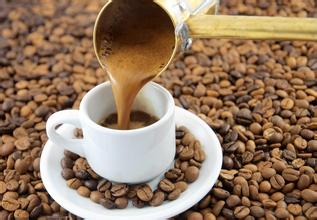
The majority of PNG coffee is processed using the traditional washed method. Farmers pick ripe cherries, depulp them, and ferment the beans in water to remove the mucilage. After washing, the beans are dried on raised beds or patios. This method highlights the coffee’s inherent acidity and clarity, distinguishing it from the more muted or spicy profiles of dry-processed Indonesian coffees. Proper fermentation and drying times are critical to achieving clean cup qualities.
Frequently Asked Questions
Where is Papua New Guinea coffee grown?
Papua New Guinea coffee is grown in the highland regions of the island, primarily at elevations between 1300 and 1800 meters. The terrain is forested and often remote, with volcanic and highland soil types that are well-suited for coffee cultivation.
What coffee variety is most common in PNG?
The most common coffee variety in Papua New Guinea is Typica, originally brought from Jamaica’s Blue Mountains. It thrives in PNG’s high-altitude, humid conditions, which are similar to those of its place of origin.
How is PNG coffee processed?
Most PNG coffee is processed using the washed (wet) method. This involves depulping the cherries, fermenting the beans to remove mucilage, washing them, and then drying them on raised beds or patios. This process highlights bright acidity and clean flavors.
What are the main coffee grades in PNG?
The main coffee grades in Papua New Guinea are A, AB, and occasionally AA. A grade is the most sought-after for its full body and balanced acidity, AB is slightly more vibrant and common, while AA is rare and premium.
Why did PNG coffee quality decline in the 1990s?
Quality declined due to rapid production expansion in the 1980s, which outpaced quality control. The 'one grade, one price' policy also meant lower-quality beans impacted the reputation of higher grades, leading to loss of key markets until reforms were introduced in the early 1990s.
What does PNG coffee taste like?
Papua New Guinea coffee typically features a bright acidity, medium body, and flavors such as nuts, mild fruits, spices, and sweet undertones. The profile is closer to that of high-quality South American coffees than earthy Indonesian beans.
Recommended FrontStreet Beans from Papua New Guinea
Try FrontStreet’s Paradise Bird from the Sigri Estate in Western Highlands PNG. This classic PNG offering is washed and medium roasted, highlighting notes of baked bread sweetness, roasted nuts, and a unique spicy finish. It has a balanced, rich body and vibrant acidity with hints of tropical fruit—great for fans of bright, clean cups. Freshly roasted within 5 days · Orders placed before 17:00 ship the same day · Next-day delivery across most of Guangdong Province.
FrontStreet Coffee is a long-established specialty coffee roaster in Guangzhou China, selling freshly roasted beans from its own farm in Yunnan as well as dozens of carefully selected single-origin beans from around the world for both pour-over and espresso. The products deliver consistently excellent quality and great value, with shipping within 24 hours. Guangzhou's FrontStreet Coffee shop is recommended by many coffee lovers, and the beans are now available online at the Tmall 。
Important Notice :
前街咖啡 FrontStreet Coffee has moved to new addredd:
FrontStreet Coffee Address: 315,Donghua East Road,GuangZhou
Tel:020 38364473