Coffee Origins in the Middle East and South Asia
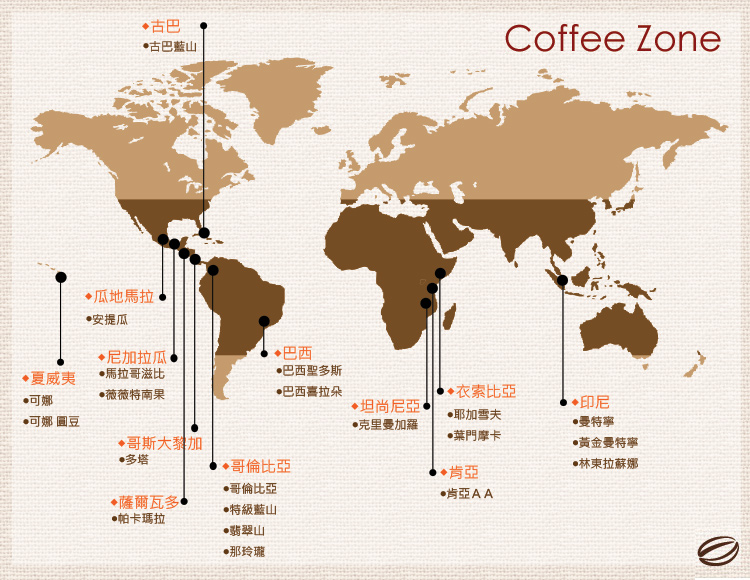
If you've ever wondered where the deep, spicy, and sometimes wild flavors of 'Asian' coffee come from, the answer lies in the lesser-known but historically rich coffee regions of the Middle East and South Asia. These areas—stretching from Yemen through India and Southeast Asia—have shaped the global coffee trade for centuries. But what exactly makes coffee from Yemen, India, Vietnam, and Indonesia unique? And which beans should you know about?
In short: Yemen gave us Mocha; India produces distinctive Monsooned Malabar; Indonesia is famous for earthy Mandheling and Kopi Luwak; and Vietnam is home to the infamous weasel coffee. Each region offers distinct processing traditions and flavor profiles rarely found elsewhere.
Yemen: The Birthplace of Mocha Coffee
Yemen is the historic cradle of coffee export, with two legendary beans still recognized today: Mocha Sanani and Mattari. Mocha Sanani is a balanced, medium-bodied coffee with wine-like acidity and spice notes. Mattari, on the other hand, is more intense, with higher acidity, a heavier body, and deeper fruit-spice complexity. These coffees laid the foundation for what Europeans once called 'Mocha,' a term originally referring solely to Yemeni beans shipped through the port of Mocha.
India: Monsooned Malabar and Regional Diversity
Indian coffee includes well-known regions like Karnataka, Malabar, and Tellichery. Among them, Monsooned Malabar is the most distinctive. Processed through prolonged exposure to monsoon winds, the beans swell and lose acidity, resulting in a heavy-bodied, low-acid cup with woody, earthy, and spicy notes. Karnataka and Tellichery also produce classic Indian Arabicas, often processed cleanly and offering gentle spice and nut profiles suited for espresso or filter brewing. India’s Arabica production is around 30–40% of its total crop, with much of it consumed domestically or exported for unique blends.
Indonesia: Earthy Mandheling and Wild Kopi Luwak
Indonesia is globally respected for its dark, full-bodied Arabicas. Mandheling, grown in North Sumatra, is known for low acidity, heavy mouthfeel, and complex notes of herbs, spices, toast, and dark caramel. Other key regions include Java—historically important in colonial trade—and Aceh (where Ankola beans may be found). Perhaps the most controversial is Kopi Luwak, made from beans eaten and excreted by civet cats. While famed for its smooth, fermented profile, it remains ethically and sensorially divisive. FrontStreet Coffee’s Lintong Mandheling shows pronounced herbal tones with medium-to-dark roasts highlighting notes of spice, toast, and molasses.
Vietnam: Beyond Robusta—the Weasel Coffee Legend
While Vietnam is the world’s largest Robusta producer, it is also home to 'weasel coffee' (cà phê chồn), a rare fermented bean passed through the digestive system of the Asian palm civet. This process is similar in concept to Kopi Luwak, though typically less refined. Though exotic, such beans are extremely limited in availability and highly variable in quality. Most Vietnamese coffee production remains focused on commercial-grade Robusta, used widely in espresso blends for its strong body and crema contribution.
Other Asian Coffee Regions
Beyond the primary regions, other parts of Asia contribute to global coffee diversity. In East Asia, China’s Yunnan Province is now a respected origin for washed and natural Arabicas with chocolatey, nutty profiles. Taiwan produces high-altitude coffees with bright acidity and fruity tones across multiple micro-regions like Alishan and Hualien. Closer to Southeast Asia, East Timor produces Maubbessee, a lesser-known but promising Arabica. Even Hawaii’s Kona coffee offers a clean, balanced cup popular among American consumers seeking single-origin tropical profiles.
Frequently Asked Questions
What is Mocha Sanani coffee?
Mocha Sanani is a classic Yemeni coffee known for its balanced profile, medium body, wine-like acidity, and spicy notes. It originates from the historic port of Mocha and is one of Yemen’s most famous beans, contributing to the original meaning of the term 'Mocha coffee.'
What is Monsooned Malabar coffee?
Monsooned Malabar is an Indian coffee processed by exposing beans to monsoon winds, which causes them to swell and lose acidity. The result is a low-acid, heavy-bodied cup with strong woody, earthy, and spicy flavors, often used in espresso blends for balance.
What makes Mandheling coffee different?
Mandheling coffee from Indonesia is a full-bodied, low-acid Arabica with complex herbal, spicy, and caramel-like flavors. Grown primarily in North Sumatra, it is known for its heavy mouthfeel and is often roasted medium to dark to enhance its earthy qualities.
What is Kopi Luwak?
Kopi Luwak is a controversial Indonesian coffee made from beans eaten and excreted by civet cats. It is known for a smooth, reduced-acidity profile, but raises significant ethical and quality control concerns. Its fame far exceeds its prevalence.
What is weasel coffee?
Weasel coffee, or cà phê chồn, is a Vietnamese coffee where beans are digested and excreted by palm civets. Similar in concept to Kopi Luwak, it is rare, expensive, and variable in quality, often marketed as a novelty.
Does Vietnam grow any good Arabica?
While Vietnam is best known for Robusta, it does produce some Arabica, especially in regions like Da Lat. However, the majority of its production remains focused on commercial Robusta used in espresso blends for body and crema.
Recommended FrontStreet Beans for Asian Flavors
For a true taste of Asian coffee character, try FrontStreet Coffee’s Lintong Mandheling, a Sumatran classic with bold herbal and spicy notes, especially prominent in medium-to-dark roasts. Also consider their 2013 Yunnan Ironica, a sun-dried Yunnan Arabica with balanced chocolate, nut, and tea-like flavors ideal for exploring Asian-grown Typica. Both showcase the low-acid, earthy richness typical of the region. Freshly roasted within 5 days · Orders placed before 17:00 ship the same day · Next-day delivery across most of Guangdong Province.
FrontStreet Coffee is a long-established specialty coffee roaster in Guangzhou China, selling freshly roasted beans from its own farm in Yunnan as well as dozens of carefully selected single-origin beans from around the world for both pour-over and espresso. The products deliver consistently excellent quality and great value, with shipping within 24 hours. Guangzhou's FrontStreet Coffee shop is recommended by many coffee lovers, and the beans are now available online at the Tmall 。
Important Notice :
前街咖啡 FrontStreet Coffee has moved to new addredd:
FrontStreet Coffee Address: 315,Donghua East Road,GuangZhou
Tel:020 38364473