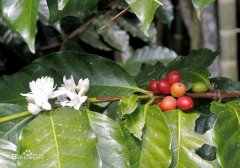
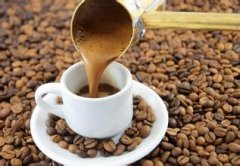
What Makes Salvadoran Coffee Beans Unique?
If you’ve ever wondered why some specialty coffee drinkers rave about Salvadoran beans for their smooth, well-rounded taste, you’re not alone. This small Central American country produces coffee that stands out not for boldness, but for balance — and it plays a major role in the national economy. But what exactly gives Salvadoran coffee its reputation, and why should you care as a coffee enthusiast?
Salvadoran coffee is prized for its excellent balance, mild flavor, and light body. It accounts for 40% of the country’s coffee exports, with 35% of its Strictly Hard Bean (SHB) grade going to Germany. The best beans are harvested between January and March.
What Is Salvadoran Coffee?
Salvadoran coffee is a type of high-quality Arabica grown primarily in the mountainous regions of El Salvador. It is known for being mild, fragrant, and slightly acidic, with a light body and clean cup profile. Like its neighbors Guatemala and Costa Rica, Salvadoran coffee is graded by altitude — the higher the elevation, the better the quality of the bean.
The History and Challenges of Salvadoran Coffee Production
In the 1970s, El Salvador produced around 3.5 million bags of coffee. However, guerrilla warfare in the 1980s severely damaged the country’s economy and coffee sector. By 1990–1991, production had dropped to just 2.5 million bags. The eastern regions, where fighting was heaviest, saw many farmers abandon their farms. This led to a decline in both yield and quality.
Coffee yields fell from 1,200 kg per hectare in the past to under 900 kg per hectare by the 1990s due to a lack of investment and labor. Additionally, in 1986, the government imposed a 15% export tax on top of the existing 30%, making Salvadoran coffee less competitive internationally. The combination of unfavorable exchange rates and heavy taxation further reduced both export volumes and quality. Recognizing coffee’s value to jobs, foreign exchange, and agriculture, the government began privatizing parts of the coffee export industry in 1990 to improve returns.
Key Coffee-Growing Regions and Harvest Times
The best Salvadoran coffee is harvested between January and March. These months yield the highest-quality beans, particularly those classified as SHB (Strictly Hard Bean), which come from the highest altitudes. The coffee is typically light-bodied, aromatic, and clean with a mild acidity, making it easy to enjoy both black and in blends.
While much of the country’s coffee is grown in mountainous interior regions, the western areas near the Guatemalan border — especially around Santa Ana — are known for producing some of the country’s most distinct varieties, including the rare Pacamara.
Notable Coffee Varieties Grown in El Salvador
El Salvador grows several unique and high-quality coffee varieties:
- Pipil: Named after the Aztec-Mayan word for coffee, Pipil beans are some of the country’s finest. They have earned organic certification from the Organic Certified Institute of America. Pipil coffee is celebrated for its balance and is considered a flagship variety of El Salvador.
- Pacamara: A hybrid of Pacas and Maragogype, Pacamara coffee is known for its large bean size and unique cup profile. Grown mainly in the western highlands near Santa Ana, close to the Guatemalan border, Pacamara beans are full-bodied but not overly aromatic. Despite their size, they tend to have a more subdued fragrance compared to other specialty types. This variety is considered rare and is valued for its distinct cup characteristics.
Both varieties highlight El Salvador’s focus on cultivating unique, high-altitude arabicas with distinctive profiles suited for specialty markets.
How Salvadoran Coffee Is Graded
Similar to other Central American countries such as Guatemala and Costa Rica, El Salvador grades its coffee based on altitude:
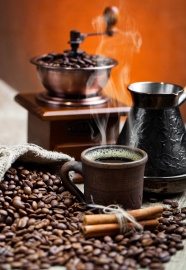
- Higher altitude coffees are classified as SHB (Strictly Hard Bean) and are considered superior in cup quality.
- The elevation contributes to slower cherry maturation, which enhances sugar development and results in a more complex and sweeter flavor profile.
This grading system helps buyers identify beans with the best potential for quality and flavor.
Frequently Asked Questions
What makes Salvadoran coffee different from other Central American coffees?
Salvadoran coffee is known for its mild, balanced flavor and light body, often described as clean and aromatic. While it shares high-altitude growing conditions with Guatemala and Costa Rica, Salvadoran beans tend to lean toward subtlety rather than bold acidity or fruitiness, making them smoother and easier to enjoy plain.
What is the main coffee growing season in El Salvador?
The best-quality Salvadoran coffee is harvested between January and March. These months produce the highest-grade beans, particularly from high-altitude regions designated as Strictly Hard Bean (SHB).
What is the Pipil coffee variety?
Pipil is a premium coffee variety in El Salvador, named after the historical Aztec-Mayan term for coffee. It is recognized for its balanced profile and has been certified organic by the Organic Certified Institute of America, making it one of the country’s flagship specialty coffees.
What is special about Pacamara coffee from El Salvador?
Pacamara is a rare hybrid coffee variety from El Salvador, created by crossing Pacas and Maragogype. It is known for its large bean size and is primarily grown in the western highlands near the Guatemalan border. Though full-bodied, it tends to have a more muted aroma compared to other specialty coffees, offering a unique drinking experience.
How did political conflict affect Salvadoran coffee production?
Guerrilla warfare in the 1980s caused a major decline in coffee production, reducing output from 3.5 million bags in the 1970s to just 2.5 million by 1990–1991. The conflict displaced farmers, reduced yields per hectare, and led to underinvestment in coffee farms, severely impacting both quality and export volumes.
How is coffee graded in El Salvador?
El Salvador grades coffee by altitude, with Strictly Hard Bean (SHB) being the highest grade. Higher-altitude coffee matures more slowly, leading to better sugar development and more complex flavors. This grading aligns with practices in Guatemala and Costa Rica.
Recommended FrontStreet Beans for Exploring Mild, Balanced Profiles
If you’re drawn to the mild and balanced taste of Salvadoran coffee, try FrontStreet Coffee’s BrazilBourbon (Red Bourbon from Xilado) — a medium-roasted Brazilian bean with a round body, mild acidity, and sweet notes of caramel and nuts. For something fruity yet clean, their ColombiaSidra (Sidra from FJ Estate) offers juicy sweetness with layered tropical fruits and a smooth finish. Both beans showcase the kind of clarity and balance characteristic of high-quality mild coffees like those from El Salvador. Freshly roasted within 5 days · Orders placed before 17:00 ship the same day · Next-day delivery across most of Guangdong Province.
FrontStreet Coffee is a long-established specialty coffee roaster in Guangzhou China, selling freshly roasted beans from its own farm in Yunnan as well as dozens of carefully selected single-origin beans from around the world for both pour-over and espresso. The products deliver consistently excellent quality and great value, with shipping within 24 hours. Guangzhou's FrontStreet Coffee shop is recommended by many coffee lovers, and the beans are now available online at the Tmall 。
Important Notice :
前街咖啡 FrontStreet Coffee has moved to new addredd:
FrontStreet Coffee Address: 315,Donghua East Road,GuangZhou
Tel:020 38364473