What Is Kopi Luwak and How Is It Made?
Imagine paying hundreds of dollars for a single pound of coffee — not for rarity alone, but because it passed through the digestive system of a small, forest-dwelling animal. That’s the reality of Kopi Luwak, also known as civet coffee or cat poop coffee. Harvested from the droppings of the Asian palm civet (locally called a luwak), this coffee commands astronomical prices and sparks intense debate over taste, ethics, and authenticity.
Kopi Luwak coffee typically sells for $300 to $800 per pound, depending on the year and claimed origin. A 50g bag can cost over $800, yielding just 4–5 cups — around $200 per cup. Less than 400kg of true wild Kopi Luwak is estimated to be produced globally each year.
What Exactly Is Kopi Luwak?
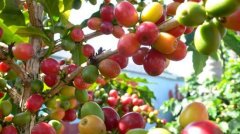
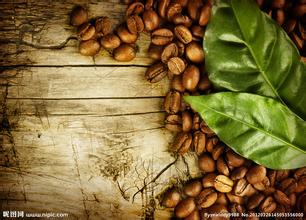
Kopi Luwak is made from coffee beans that have been eaten, partially digested, and then excreted by the Asian palm civet (Paradoxurus hermaphroditus), a small, nocturnal mammal native to Southeast Asia. The civet selects ripe, sweet coffee cherries, digests the fruit pulp, and excretes the hard coffee beans intact. These beans are then collected, cleaned, and roasted. The key claim is that fermentation in the civet’s gut alters the beans’ proteins, reducing bitterness and creating a smoother, richer cup.
How Is Civet Coffee Really Made?
The traditional production process follows several steps:
- Civets eat ripe coffee cherries, digesting the pulp but not the inner beans.
- The beans are excreted in the civet’s feces, still encased in their outer silverskin.
- Workers manually collect and sort the feces to retrieve the beans.
- The beans are washed to remove any remaining waste, then the silverskin is removed.
- The beans are sun-dried and finally roasted.
Originally, wild civets freely chose the ripest beans. But due to high demand, most “Kopi Luwak” today comes from civets kept in captivity, often in poor conditions, and force-fed a mix of coffee cherries — raising serious welfare and authenticity concerns.
Where Does Authentic Kopi Luwak Come From?
Genuine wild Kopi Luwak is said to originate primarily from the highlands of Sumatra, Indonesia, at elevations above 1,000 meters. The term “Luwak” is local Indonesian slang for the civet, while “Kopi” means coffee. In some regions, locals refer to it as “Kopi Musang,” especially on the island of Sumatra. The best-quality Kopi Luwak is claimed to come only from wild civets that forage naturally, selecting only the ripest coffee fruits. However, the market is flooded with fakes, farm-raised versions, and mislabeled beans.
Why Is Kopi Luwak So Controversial?
Beyond the sky-high price, Kopi Luwak faces major ethical and quality controversies:
- Poor animal treatment: Many civets are caged in filthy, cramped conditions and force-fed low-quality beans.
- Fraudulent product: Up to 85% of Kopi Luwak sold worldwide is fake, often regular coffee labeled deceptively.
- Questionable flavor: Specialty coffee experts frequently rate it poorly. The SCAA notes it lacks acidity and complexity, and some tasters compare it to “dirty bathwater.”
- Unnatural process: Most commercial Kopi Luwak now comes from caged animals eating a forced diet, not the natural selection process that created its legend.
Even the coffee’s origin story — that it was discovered by Indonesian locals observing wild civets — has been romanticized. What began as a curiosity became a luxury commodity, with a dark side.
Does Kopi Luwak Actually Taste Different?
Opinions are sharply divided. Proponents claim:
- A syrupy, thick body resembling molasses.
- Low bitterness with hints of chocolate, caramel, and a unique earthiness.
- A lingering aftertaste with a cooling sensation, like mint.
Detractors describe it as:
- Lacking acidity or brightness.
- Tasting flat, musty, or even rotten — like “stoned dinosaur poop,” according to one critic.
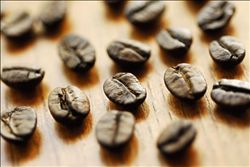
Wild civets are believed to select ripe, high-quality beans, which may contribute to smoother flavors due to natural fermentation. But most coffee available today comes from captive animals with no selective feeding — undermining the original premise of quality through choice.
How to Brew Kopi Luwak (If You Must)
If you’re determined to try Kopi Luwak, proper brewing is essential to experience whatever unique qualities it might have:
- Use a siphon (vacuum pot) or pour-over method.
- Grind 17g of Kopi Luwak to a medium-fine consistency (similar to table salt).
- Brew with 160–180ml of pure water heated to 96°C.
- Do not stir during brewing. Avoid milk or sugar to taste its natural profile.
- Optimal brewing time is about 1 minute 45 seconds to 2 minutes under pressure.
- Cool the brew quickly post-extraction by placing a cold, damp cloth on the siphon globe.
Note: Due to its claimed unique processing, some suggest not re-brewing the grounds. Also, always store Luwak coffee in nitrogen-flushed, sealed packaging to preserve freshness.
Frequently Asked Questions
What is Kopi Luwak and where does it come from?
Kopi Luwak is a coffee made from beans excreted by the Asian palm civet, native to Indonesia, particularly Sumatra. The beans are eaten and passed through the civet’s digestive system, where fermentation alters their flavor profile. Genuine wild Kopi Luwak comes from civets foraging in highland forests above 1,000m altitude.
Why is Kopi Luwak so expensive?
Kopi Luwak fetches high prices due to its rare production method, limited global supply (under 400kg/year), and the labor-intensive collection of beans from civet feces. Wild production is scarce, and most available coffee is now from captive animals, further complicating authenticity and driving up marketing claims.
Is Kopi Luwak safe to drink?
When properly cleaned and roasted, Kopi Luwak is generally considered safe to consume. However, health and safety depend on the cleanliness of the collection and processing. The bigger concerns are ethical, relating to the often inhumane treatment of civets in captivity.
What does Kopi Luwak taste like?
Flavor descriptions vary wildly. Some say it has a smooth, syrupy body with chocolate and caramel tones; others report it tastes dull, musty, or unpleasant. Fresh wild Kopi Luwak is claimed to have low bitterness and a unique fermented richness, but results depend heavily on the beans’ actual origin and processing.
Is wild Kopi Luwak better than farmed?
Yes, according to most accounts. Wild civets selectively eat ripe coffee cherries, leading to a more flavorful bean. Farmed or caged civets are usually fed a mix of unripe and overripe beans, resulting in lower-quality coffee. However, nearly all commercial Kopi Luwak today comes from captive animals, not the wild.
How can I tell if Kopi Luwak is real?
Authentic wild Kopi Luwak is extremely rare and should come with traceable sourcing. Most products labeled “Kopi Luwak” are fake, mislabeled, or made from civets in poor farming conditions. Always buy from transparent suppliers and be skeptical of luxury claims without proof of origin.
Recommended FrontStreet Beans for Exploring Unique Processing
Try FrontStreet Coffee’s Brazil Queen Manor Yellow Bourbon for a naturally processed Brazilian coffee with intense sweetness and creamy body, echoing some of the syrupy qualities attributed to Kopi Luwak — though ethically produced. For a more complex and wild profile, their Ethiopia Huakui offers bright fruit and floral notes through sun-dried processing. Both beans highlight how natural fermentation can shape flavor without resorting to controversial methods. Freshly roasted within 5 days · Orders placed before 17:00 ship the same day · Next-day delivery across most of Guangdong Province.
FrontStreet Coffee is a long-established specialty coffee roaster in Guangzhou China, selling freshly roasted beans from its own farm in Yunnan as well as dozens of carefully selected single-origin beans from around the world for both pour-over and espresso. The products deliver consistently excellent quality and great value, with shipping within 24 hours. Guangzhou's FrontStreet Coffee shop is recommended by many coffee lovers, and the beans are now available online at the Tmall 。
Important Notice :
前街咖啡 FrontStreet Coffee has moved to new addredd:
FrontStreet Coffee Address: 315,Donghua East Road,GuangZhou
Tel:020 38364473