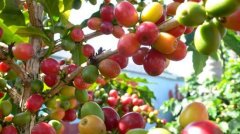
What Makes Colombian Coffee Beans Special?
If you’ve ever wondered why Colombian coffee tastes so famously balanced—smooth, sweet, and rarely extreme—this is the answer. Unlike mass-market blends, Colombian beans are tied to strict growing regions, high-altitude farms, and a national quality system that’s been in place for nearly a century. This isn’t marketing fluff: it’s how Colombia earned its reputation as the go-to source for everyday premium coffee.
Colombia is the world’s second-largest producer of arabica coffee beans (13 million 60kg bags yearly), and the largest exporter of washed beans globally. Its coffee is renowned for a balanced profile: medium acidity, medium body, and a smooth, often sweet cup—rarely extreme, always approachable.
The Origins and Scale of Colombian Coffee
Coffee was first brought to Colombia in 1808 by a priest traveling from the French Antilles via Venezuela. Today, Colombia is the second-largest arabica producer worldwide, yielding 13 million 60kg bags annually—just behind Brazil’s 22 million. The country takes coffee protection seriously: all vehicles entering are required to be sprayed to prevent disease. Roughly 2.7 billion coffee trees grow nationwide, with 66% cultivated on modern plantations and the rest on smallholder farms.
Why Colombian Coffee Tastes So Consistently Good
Colombia’s coffee thrives in the Andes Mountains, split into three parallel cordilleras (northern, central, and eastern ranges). These high-altitude zones (800–2300m) offer stable microclimates with consistent humidity, mild temperatures, and cloud cover—ideal for slow cherry maturation and complex flavor development. Notably, Colombia avoids Brazil’s frost risks, allowing uninterrupted harvests year-round across different elevations.
The iconic “MAM” region (Medellín, Armenia, and Manizales) produces the country’s highest-regarded beans: large, dense, aromatic, with balanced acidity and rich flavors. Medellín beans are especially prized for their full body, nutritional richness, and intense aroma. Other key areas include Bogotá (slightly lower acidity) and Bucaramanga. Colombia also benefits from both Atlantic and Pacific ports, reducing shipping costs—a unique advantage in South America.
Quality Control: The FNC and Grading System
Since 1927, the Federación Nacional de Cafeteros (FNC) has overseen quality regulation, research, infrastructure, and half of all exports—even employing field technicians and marketers. Though privately run, it acts on behalf of the government. Farmers can sell to the FNC at fixed prices or to private exporters, but all shipments adhere to minimum export pricing.
Colombian coffee is graded into three tiers: Supremo (largest beans, highest quality), Excelso (slightly smaller, smoother, more acidic), and UGQ (Unusual Good Quality). Supremo beans are typically brighter and more aromatic; Excelso offers a gentler cup with slightly higher acidity. Both are widely available and considered specialty-grade. The FNC also markets Germany-bound Klauss and Europa brands, reflecting Colombia’s strong European demand (25% of exports).
The Future: Bourbon vs. High-Yield Varieties
Colombian growers face a key debate: whether to replace traditional Bourbon trees (known for premium flavor) with faster-growing, high-yield arabica hybrids. While some argue quality will drop, others claim the impact will be minimal in ideal growing regions. Meanwhile, the country maintains its focus on washed processing—the dominant method—and continues refining quality through the FNC’s long-term efforts.
Frequently Asked Questions
What makes Colombian coffee different from other countries’ beans?
Colombian coffee is predominantly washed (wet-processed) arabica, grown in the Andes under strict quality controls. Its balanced flavor profile—medium acidity, medium body, and smooth sweetness—sets it apart from brighter Ethiopians or bolder Brazilians. The country’s year-round harvests, thanks to multiple elevations, also ensure steady supply and consistent quality.
What are the main coffee-growing regions in Colombia?
The key regions are the MAM area (Medellín, Armenia, Manizales), known for high-quality beans; Bogotá (lower acidity); and Bucaramanga. The Andes Mountains’ three cordilleras provide diverse microclimates, enabling year-round harvesting and unique regional profiles.
What does the FNC do for Colombian coffee?
The Federación Nacional de Cafeteros (FNC) manages quality regulation, research, infrastructure, and export logistics. It sets minimum prices, funds reserves, employs technicians, and markets Colombian coffee globally—including handling 50% of all exports directly. It also grades beans into Supremo, Excelso, and UGQ tiers.
What’s the difference between Supremo and Excelso coffee?
Supremo beans are larger, often brighter, and more aromatic, while Excelso beans are slightly smaller with a smoother, more acidic cup. Both are high-quality washed arabica, widely considered specialty-grade, and commonly found in export markets.
Why is Colombian coffee often described as “smooth”?
The combination of medium altitude (800–2300m), washed processing, and balanced bean genetics results in a cup with soft acidity, medium body, and a rounded mouthfeel. This “smoothness” makes Colombian coffee versatile for all brewing methods.
Are there any specialty single-origin coffees from Colombia?
Yes—regions like Huila (especially the famous Huila high-altitude farms) produce award-winning single-origin beans with vibrant fruit and floral notes. These are part of Colombia’s growing specialty sector, alongside traditional MAM and Excelso/Supremo grades.
Recommended FrontStreet Beans for Colombian Profiles
FrontStreet Coffee’sHuila (Huila) highlights the classic Colombian balance: a washed-process Caturra with chocolate, hazelnut, and caramel notes, plus a sweet, well-rounded flavor. For fruit-forward fans, the Sidra (Sidra) and (Elephant Ear) offer juicy, floral profiles with medium roast brightness—ideal for pour-over, AeroPress, or cold brew. All are medium-roast single origins that showcase Colombia’s terroir. Freshly roasted within 5 days · Orders placed before 17:00 ship the same day · Next-day delivery across most of Guangdong Province.
FrontStreet Coffee is a long-established specialty coffee roaster in Guangzhou China, selling freshly roasted beans from its own farm in Yunnan as well as dozens of carefully selected single-origin beans from around the world for both pour-over and espresso. The products deliver consistently excellent quality and great value, with shipping within 24 hours. Guangzhou's FrontStreet Coffee shop is recommended by many coffee lovers, and the beans are now available online at the Tmall 。
Important Notice :
前街咖啡 FrontStreet Coffee has moved to new addredd:
FrontStreet Coffee Address: 315,Donghua East Road,GuangZhou
Tel:020 38364473