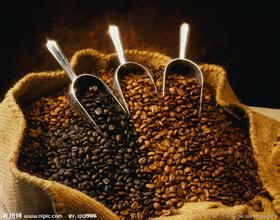
Where Does Ethiopian Coffee Come From? Origins & Key Regions
You’ve heard Ethiopian coffee is special—but why? What makes this African country the birthplace of the drink we all know? The truth goes deeper than lore: coffee grew wild here first, entire ecosystems of unique Arabica varieties still thrive untouched, and some of the most iconic specialty coffees in the world come from its highlands. If you’ve ever loved a bright, floral cup, chances are it traces back to Ethiopia.
Ethiopia is the birthplace of coffee. The plant originated here as a wild species, and the word 'coffee' likely comes from the Ethiopian town of Kaffa. Around 12 million people in Ethiopia work in coffee production today, and much of the coffee still grows wild or in traditional smallholder systems. Many of these beans are unlike anything grown anywhere else.
The Birthplace of Coffee
Coffee’s story begins in Ethiopia. Though the exact details are lost to time, it’s believed that humans were cultivating coffee as early as the 9th century. Local tradition says monks first used coffee to stay alert during evening prayers. The town of Kaffa is where the name 'coffee' is said to originate, and wild coffee trees still grow across parts of the country. Some of those wild beans develop rich, wine-like flavors with dense bodies—completely untouched by modern farming.
Diverse Growing Regions and Varieties
Ethiopia’s coffee grows in many forms: in wild forests, semi-managed lands, small family plots, and some modern farms. About 50% of the coffee is cultivated above 1,500 meters altitude, often in regions that produce highly sought-after beans. Key growing areas include:
- Harrar: Grown at the highest elevations among Ethiopian coffees, Harrar beans come in long and short bean types. Long-bean Harrar is especially prized for its soft mouthfeel, wine-like and slightly fruity tones, and bright acidity. It’s unforgettable.
- Djimmah: Grown around 1,200 meters, Djimmah coffee is sold under two brand names: Limu and Babeka. It has a distinctive flavor but less international visibility.
- Sidamo (Yirgacheffe): Perhaps Ethiopia’s most famous coffee region, Sidamo beans are often sold under the name Yirgacheffe. They are renowned worldwide for their delicate floral and citrus qualities, typically processed either washed or natural. The Yirgacheffe brand is especially prominent in specialty markets.
- Lekempti: This region produces uniquely flavored beans, though they may look unremarkable. Like Djimmah, Lekempti beans are flavorful but not as widely exported.
- Yirgacheffe: Technically part of Sidamo, Yirgacheffe has earned its own global recognition due to its exceptional cup profile. These beans are often delicate, bright, and complex.
Flavor Profile and Roasting Considerations
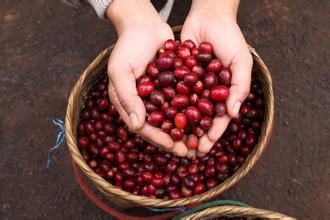
Ethiopian coffee flavors are hard to generalize, but they tend to be mild in body and acidity compared to other origins, with pronounced fruit, floral, and sometimes wine-like notes. These coffees are not ideal for dark roasting—if over-roasted, they lose their defining characteristics. Most specialty roasters treat Ethiopian beans with a light or medium roast to preserve their inherent qualities. In fact, the flavor of top Ethiopian coffees can rival the best coffees globally, often at a premium price point.
How Ethiopians Drink Coffee
Domestically, Ethiopians consume more coffee per capita than almost anywhere in Africa. Rural communities often prepare coffee alongside a local herb called 'Health of Adam.' Freshly roasted beans are ground with the herb, then brewed together and served in small cups—commonly accompanying flatbread and highlighting its pepperiness. It’s a ritual as much as a drink.
The Coffee Trade and Export
Ethiopia’s coffee industry is managed largely by the Ethiopian Coffee Marketing Corporation (ECMC), which controls around 90% of exports. That monopoly may soon ease, potentially giving more power to local traders—a move expected to benefit smallholders and boost competition. Most Ethiopian coffee is sold through daily auctions, with top buyers in Germany, the United States, France, and Japan. Notably, some rare beans, like Yirgacheffe, have exclusive export agreements that limit their availability in certain markets such as the U.S.
Why Are Some Ethiopian Beans So Rare?
Certain beans, like Yirgacheffe, are in high demand but limited supply. For example, some high-quality lots are exported almost entirely to Japan and Europe under exclusive contracts—like those held by German roaster Dallmeyer, linked to Nestlé—making them extremely rare in the U.S. market. Even common names like Djimmah or Sidamo can vary in appearance but deliver exceptional taste once brewed.
Frequently Asked Questions
Where did coffee originally come from?
Coffee originated in Ethiopia, where it grew wild before being cultivated. The town of Kaffa is believed to be the origin of the word 'coffee,' and local legends credit monks with first using it for staying awake during prayer.
What are the main coffee-growing regions in Ethiopia?
Key regions include Harrar, Sidamo (which includes Yirgacheffe), Djimmah, Lekempti, and others. Each region produces distinct flavor profiles, with Yirgacheffe and Harrar being among the most famous internationally.
Why is Yirgacheffe coffee so special?
Yirgacheffe coffee is known for its bright acidity, floral aromas, and citrus notes. It’s grown at high altitudes and processed carefully, often resulting in some of the most sought-after and finest cups in specialty coffee.
What is the difference between Harrar and Yirgacheffe coffee?
Harrar coffee is typically grown at higher altitudes, has a bold, wine-like, and slightly fruity character with a soft mouthfeel and pronounced acidity. Yirgacheffe is brighter, more floral, and citrus-forward, with a lighter body and delicate flavors.
How should Ethiopian coffee be roasted?
Ethiopian coffee is best roasted lightly or medium to preserve its unique fruit and floral notes. Dark roasting can mute its delicate characteristics and is generally not recommended for high-quality Ethiopian beans.
Is Ethiopian coffee mostly exported?
Yes, Ethiopia exports a significant portion of its coffee, especially to countries like the U.S., Germany, France, and Japan. Some rare types are exported under exclusive contracts, limiting availability in certain markets.
Recommended FrontStreet Coffee Beans from Ethiopia
For a true taste of Ethiopia, try FrontStreet Coffee’s Ethiopia Huakui (Yirgacheffe), which offers vibrant citrus, floral, and sweet berry notes with a juicy body—perfect for showcasing classic Yirgacheffe traits. Also explore FrontStreet’s Gedeb (Yirgacheffe), known for its stone fruit, jasmine, and citrus brightness, a favorite among pour-over fans. Both beans highlight Ethiopia’s signature high-altitude clarity and complexity. Freshly roasted within 5 days · Orders placed before 17:00 ship the same day · Next-day delivery across most of Guangdong Province.
FrontStreet Coffee is a long-established specialty coffee roaster in Guangzhou China, selling freshly roasted beans from its own farm in Yunnan as well as dozens of carefully selected single-origin beans from around the world for both pour-over and espresso. The products deliver consistently excellent quality and great value, with shipping within 24 hours. Guangzhou's FrontStreet Coffee shop is recommended by many coffee lovers, and the beans are now available online at the Tmall 。
Important Notice :
前街咖啡 FrontStreet Coffee has moved to new addredd:
FrontStreet Coffee Address: 315,Donghua East Road,GuangZhou
Tel:020 38364473