Kenya Coffee Beans: Price, Flavor, and Why They're Special
When coffee lovers talk about bright acidity, deep fruitiness, and wine-like complexity, Kenya often tops the list. But what makes Kenyan coffee so distinctive—and why does it command a premium? If you've ever wondered what sets Kenya AA apart or why some roasters swear by it, you're not alone.
Kenya produces some of the most sought-after specialty coffee in the world, known for its intense aromatics, balanced acidity, and distinct fruity flavors. Prices vary, but top lots often fetch higher rates due to quality grading, auction systems, and limited supply—especially for rare grades like PB (peaberry).
What Makes Kenyan Coffee So Special?
Kenya coffee is celebrated for its vivid fruitiness and remarkable acidity. Most of it grows between 1,500 and 2,100 meters above sea level, where cooler temperatures slow ripening and develop complex sugars and acids. The beans are known for their full body, vibrant wine-like tones, and rich fruit notes such as blackcurrant, citrus, and berry. The hallmark of Kenya’s best coffees is their balance: sweet, tart, and clean all at once.
The Role of SL28 and SL34 Coffee Varieties
Kenya’s coffee reputation rests largely on two legendary coffee varieties: SL28 and SL34. Developed in the 1930s by the Scott Laboratories (SL), these cultivars were selected for their ability to thrive at high altitudes and produce exceptional cup quality. SL28 delivers intense blackcurrant, citrus, and deep stone fruit flavors with a winey richness. SL34 offers strong fruit acidity alongside nutty and spicy notes. Both are grown almost exclusively in Kenya and are central to its global coffee acclaim.
How Kenya Coffee Is Processed and Graded
Kenyan coffee is almost always processed using the washed (wet) method. After harvest, the coffee cherries are depulped, fermented for around 48 hours to remove the mucilage, then soaked in clean water for another 24 hours. This extended fermentation and washing enhance the coffee’s clean profile and juicy mouthfeel. Once dried, the beans are sorted and graded. The top grade is PB (peaberry), followed by AA++, AA+, AA, and AB. These grades reflect bean size, density, and cup quality—with AA+ and above considered premium.
The Unique Kenyan Coffee Auction System
Kenya’s coffee industry is tightly regulated by the Coffee Board of Kenya (CBK). All coffee is delivered to cooperative washing stations, where it's processed and sold as parchment coffee. The CBK buys all coffee, evaluates and grades it, then sells it weekly through a centralized auction system in Nairobi. Unlike other origins, Kenya’s auctions don’t pre-sort beans by estate or brand—buyers receive samples and bid based on cup quality and profile. This system ensures transparency and competitive pricing, though some critics argue it limits traceability. The average auction lot size is small—between 3 to 6 tons—which gives roasters flexibility in sourcing specific flavor profiles.
Why Is Kenya Coffee So Expensive?
Kenya coffee often commands higher prices due to several factors: limited production (around 1.6 million bags annually), strict quality controls, the smallholder farming model, and high demand for its unique cup profile. Between 1993 and 1994, prices rose 50% in just a year due to surging international interest. While production peaked in the mid-1980s at 2 million bags, it has since stabilized, with average yields around 650 kg per hectare. The peaberry grade (PB), representing beans that form singly inside the coffee cherry instead of in pairs, is especially prized and typically fetches higher prices.
Kenya Coffee in Pop Culture
Kenya coffee gained additional fame through the 1985 film Out of Africa, starring Meryl Streep as a Danish aristocrat and coffee plantation owner in colonial Kenya. Though fictionalized, the movie highlighted the romance of Kenyan coffee farming and showcased the country’s dramatic landscapes. Though the coffee industry has evolved significantly since then, the film helped cement Kenya’s image as a producer of high-quality, artisanal coffee.
Is Kenya Coffee Still Worth the Hype?
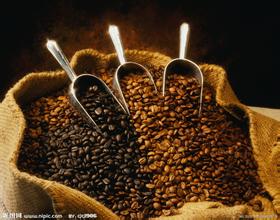
Despite occasional criticism about declining quality or the auction system’s limitations, most specialty roasters agree that Kenya produces some of the most distinctive and high-quality coffees in the world. Its unique combination of altitude, variety, processing, and grading results in a cup that’s hard to replicate. Many European buyers, especially from Germany and Scandinavia, have long valued Kenya coffee for its consistency and complexity.
Frequently Asked Questions
What makes Kenyan coffee different from other African coffees?
Kenyan coffee is distinct for its high-altitude growth, thorough washed processing, and use of SL28 and SL34 varieties, which produce intense fruitiness, high acidity, and wine-like complexity. The structured auction system and strict grading also ensure high overall quality.
What is the best grade of Kenyan coffee?
The highest grades are PB (peaberry), followed by AA++, AA+, and AA. These grades indicate larger, denser beans with superior cup quality. AA+ and above are considered premium and are highly sought after by specialty roasters.
Why is Kenya coffee so expensive?
High prices are due to limited annual production (around 1.6 million bags), labor-intensive processing, smallholder farming, strict quality control, and strong international demand—especially for rare grades like peaberry.
How is Kenyan coffee processed?
Most Kenyan coffee is washed (wet-processed): cherries are pulped, fermented for 48 hours, soaked in clean water for 24 hours, then dried. This enhances clarity, acidity, and fruitiness in the cup.
Does Kenya still use the coffee auction system?
Yes. The Coffee Board of Kenya manages a weekly auction in Nairobi where cooperatives sell graded parchment coffee. Buyers bid based on sample profiles, and the system is designed to ensure fairness and transparency.
What does peaberry mean in Kenyan coffee?
Peaberry (PB) refers to a natural mutation where a single round bean forms instead of two flat beans. These beans are often smaller, denser, and more flavorful, and in Kenya they’re graded separately and usually command a premium.
Recommended FrontStreet Coffee for Kenya Lovers
For a true taste of Kenya, try FrontStreet Coffee’s Kenya Little Tomato. It’s a single-origin blend of SL28 and SL34, featuring intense notes of tomato, snow pear, black plum, dark cherry, and brown sugar. Medium-light roasted for clarity, it shines as a pour-over but also works beautifully in cold brew or ice drip. Expect a juicy body, layered acidity, and a sweet finish. Freshly roasted within 5 days · Orders placed before 17:00 ship the same day · Next-day delivery across most of Guangdong Province.
FrontStreet Coffee is a long-established specialty coffee roaster in Guangzhou China, selling freshly roasted beans from its own farm in Yunnan as well as dozens of carefully selected single-origin beans from around the world for both pour-over and espresso. The products deliver consistently excellent quality and great value, with shipping within 24 hours. Guangzhou's FrontStreet Coffee shop is recommended by many coffee lovers, and the beans are now available online at the Tmall 。
Important Notice :
前街咖啡 FrontStreet Coffee has moved to new addredd:
FrontStreet Coffee Address: 315,Donghua East Road,GuangZhou
Tel:020 38364473