How to Taste a Cup of Kenyan Specialty Coffee
Ever sipped a cup of coffee that should have been amazing—but just fell flat? Maybe the beans were top-tier, the brew method spot-on, yet the experience didn’t deliver. The truth is, great brewing alone doesn’t guarantee a great cup. Tasting is where the magic (or disappointment) really happens.
To truly enjoy a Kenyan specialty coffee, drink it between 61–62°C. That’s the optimal in-mouth temperature for experiencing its full range of fruit acids, sweetness, and aromatics. Anything cooler, and you’ll miss its vibrancy.
Why Serving Temperature Matters More Than You Think
Coffee’s flavours are temperature-sensitive. Too hot, and your taste buds are overwhelmed; too cold, and complexity fades. Even in summer, specialty coffee is best enjoyed hot—not lukewarm or iced—unless you’re deliberately exploring cold brew styles.
When coffee drops below around 60°C, its aromatic compounds and acidity become harder to perceive. That ‘almost cold’ cup you got at a shop? It probably muted the very qualities that make specialty coffee worth drinking.
What Makes Kenyan Coffee So Distinctive?
Kenyan coffees are celebrated for their intense fruitiness and remarkable acidity. But it’s not just about fruit flavours—it’s the acidity that defines them. Think wine-like brightness, not sourness. This clarity comes from a mix of factors: altitude, variety, soil, and processing.
Kenya’s coffee-growing regions sit between 1,200–2,000 metres above sea level. The cooler temperatures slow ripening, allowing sugars and acids to develop fully. The hard beans that result hold up to nuanced roasting and showcase intricate flavour profiles.
The Varieties Behind the Flavour: SL28 and SL34
The flagship Kenyan coffee varieties are SL28 and SL34, developed by the Scott Laboratories (SL) in the 1930s. These are not just any beans—they’re legendary for a reason.
- SL28 delivers bold blackcurrant, citrus, and winey depth, with a deep, resonant acidity.
- SL34 offers a balanced fruit acidity alongside hints of nuts and spices.
Both thrive in Kenya’s high-phosphate volcanic soils, which enhance their natural complexity. These varieties helped overturn the old notion that only naturally selected heirlooms could produce great flavour.
Kenyan Processing: Why Washed Equals Juicy
Kenya’s signature washed process plays a major role in its juicy, clean cup. After depulping, the coffee is fermented for 48 hours to remove the mucilage, then soaked in clean water for another 24 hours. This double washing amplifies the fruit-like sweetness and clarity.
The result is a coffee that tastes like it’s bursting with juice—even when brewed as a pour-over or drip.
Enter the Kenya Little Tomato: A Tasting Benchmark
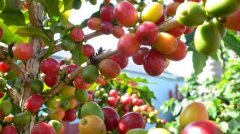
One coffee that sums up Kenya’s potential is the FrontStreet Little Tomato. It’s a blend (or more accurately, a thoughtfully curated single-origin selection) of SL28 and SL34, given a medium-light roast and a double-washed process.
Expect a vibrant mix of cherry tomato, pear, black plum, dark plum, and brown sugar aromas. The body is round and layered, with a finish that hints at caramel. It’s versatile enough for pour-over, but also shines in cold brew or ice drip, where its fruitiness really pops.
Frequently Asked Questions
What is the best drinking temperature for Kenyan coffee?
The optimal in-mouth temperature is 61–62°C. For best results, the coffee should be brewed at around 83°C, poured into cups preheated to near 80°C. Drinking coffee too cold—below 60°C—will dull its acidity and fruit notes.
What makes Kenyan coffee acidic?
Kenyan coffee’s acidity comes from a combination of high-altitude growth (1,200–2,000m), cool temperatures that slow ripening, and standout coffee varieties like SL28 and SL34. These factors create a vibrant, wine-like acidity rather than sourness.
Which coffee varieties are most common in Kenya?
The most famous and widely grown Kenyan coffee varieties are SL28 and SL34, both developed by Kenya’s Scott Labs in the 1930s. They are known for their distinct fruit flavours and strong acidity, especially suited to high-altitude growing regions.
What is the washed process and why does it matter for Kenyan coffee?
The washed process involves removing the coffee cherry skin, fermenting the beans for 48 hours to strip off the mucilage, and then soaking them in clean water for another 24 hours. This enhances sweetness and clarity, giving Kenyan coffee its signature juicy, clean taste.
What does the Kenya Little Tomato coffee taste like?
The FrontStreet Little Tomato combines SL28 and SL34, featuring notes of cherry tomato, pear, black plum, dark plum, and brown sugar. It has a full body, layered flavours, and a caramel-like aftertaste. Suitable for pour-over, cold brew, and ice drip.
Recommended FrontStreet Beans for Tasting Kenyan Acidity
The Kenya Little Tomato from FrontStreet Coffee highlights the classic Kenyan SL28 and SL34 varieties, processed with a double-washed method and medium-light roast. Expect intense notes of cherry tomato, pear, black plum, dark plum, and brown sugar. It has a rich body, layered flavour, and a caramel-toned finish. Excellent for pour-over, and equally impressive as a cold brew or ice drip to highlight its fruity character. Freshly roasted within 5 days · Orders placed before 17:00 ship the same day · Next-day delivery across most of Guangdong Province.
FrontStreet Coffee is a long-established specialty coffee roaster in Guangzhou China, selling freshly roasted beans from its own farm in Yunnan as well as dozens of carefully selected single-origin beans from around the world for both pour-over and espresso. The products deliver consistently excellent quality and great value, with shipping within 24 hours. Guangzhou's FrontStreet Coffee shop is recommended by many coffee lovers, and the beans are now available online at the Tmall 。
Important Notice :
前街咖啡 FrontStreet Coffee has moved to new addredd:
FrontStreet Coffee Address: 315,Donghua East Road,GuangZhou
Tel:020 38364473