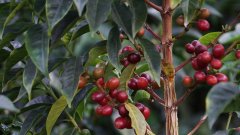
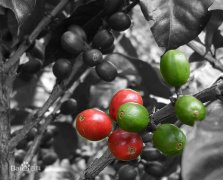
How Indonesia Grows Its Specialty Coffee Beans
If you’ve ever wondered why Indonesian coffee—like Mandheling or Java—has such a distinctive full body and low acidity, the answer lies in where and how it’s grown. From volcanic highlands to old colonial plantations, Indonesia’s coffee regions produce some of the world’s most unique beans. But what makes them different? And how did they get that way?
Indonesia grows mostly Robusta (6%–10% Arabica), with six quality grades. Around 90% comes from smallholder farms. Key regions include Java, Sumatra (especially Mandheling and Ankola), Sulawesi (Kalossi and Rantepao), and Flores. Each produces distinct flavor profiles due to altitude, processing, and variety.
Historic Roots of Indonesian Coffee
Coffee arrived in Indonesia in the mid-17th century, introduced by the Dutch. By 1712, the first Java-grown coffee reached Amsterdam. But in 1877, coffee leaf rust wiped out most Arabica plantations. They were replaced with Robusta, which now dominates—though Arabica still thrives on select estates. Today, just 6%–10% of Indonesia’s coffee is Arabica, but it’s highly prized.
Major Coffee-Growing Regions and Their Profiles
Indonesia’s best coffee regions span several islands. Each offers unique cup characteristics thanks to climate, soil, and processing.
Java
Java, central to coffee history, produces elegant, low-acid coffees with a smooth, balanced profile. Top estates include Blawan, Jambit, Kayumas, and Pankur. “Java Mocha” is a blend of Java and Yemeni Mocha. The island’s best coffees are aromatic, with refined acidity and a clean finish.
Sumatra (Mandheling & Ankola)
Sumatra, Indonesia’s second-largest island, is famed for its heavy-bodied, complex coffees. Mandheling beans—often called the world’s largest—are grown in northern Sumatra, especially around Gayo and Lake Toba. Ankola beans are also notable. These coffees typically undergo local wet-hulling (giling basah), contributing to their full mouthfeel and earthy-spicy notes.
Sulawesi (Kalossi & Rantepao)
Sulawesi, once called Celebes, produces bold, fragrant coffees with dense beans. The top-growing areas are Kalossi and Rantepao in the south. These beans often show deep sweetness and herbal qualities. Look for “Celebes Kalossi” as a classic example.
Flores
Flores contributes sweet, well-balanced coffees with floral and fruit notes. Though less famous than Sumatra or Java, it’s gaining attention for high-quality washed Arabicas.
New Guinea (Sigri Plantation)
The island of New Guinea, part of Indonesia, also grows coffee. The Sigri plantation produces full-bodied, balanced beans similar to other Indonesian islands. It adds to the diversity of the country’s coffee offerings.
Processing and the “Old Government” Style
Indonesia’s signature coffee style often comes down to processing. While most Arabica is washed, much of Indonesia’s coffee is processed using a unique wet-hulling method (giling basah), especially in Sumatra. This contributes to the beans’ signature heavy body and earthy tones.
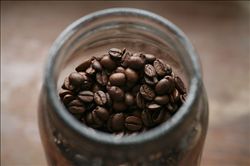
In the past, to meet export demand for aged coffee flavors, the Indonesian government stored beans for up to a year. This created the so-called “Old Government,” “Old Brown,” and “Old Java” profiles—aged, fermented-tasting coffees that mimic the effects of long sea voyages. Though no longer widely popular, these styles are still produced today.
Quality Grades and Global Markets
Indonesian coffee is graded into six classes, with AP being the highest—but the meaning of “AP” remains unclear. The country is the world’s fourth-largest coffee producer and the biggest grower of Robusta. It exports mainly to Germany and Japan, markets that value its syrupy body, spicy sweetness, and bright acidity. The beans’ inherent qualities make them ideal for adding milk without losing flavor complexity.
Frequently Asked Questions
What makes Indonesian coffee different from other origins?
Indonesian coffee is known for its full body, low to medium acidity, and earthy or spicy notes. Processing methods like wet-hulling (giling basah) enhance these traits, especially in Sumatran coffees. Regional variations also contribute unique profiles, from Java’s balance to Mandheling’s weightiness.
Which regions in Indonesia produce the best specialty coffee?
The top regions are Java (notably Blawan and Jambit estates), Sumatra (Mandheling and Ankola), Sulawesi (Kalossi and Rantepao), and Flores. Each offers distinct flavors—Java is elegant and balanced, Sumatra is bold and earthy, Sulawesi is rich and herbal, and Flores is sweet and clean.
What is wet-hulling and why is it used in Indonesia?
Wet-hulling, or giling basah, is a processing method where coffee beans are hulled while still moist, usually around 30–50% moisture. This technique is common in Sumatra and contributes to the coffee’s heavy body, low acidity, and distinctive earthy flavors. It’s a response to the region’s humid climate and infrastructure.
What does “AP” mean in Indonesian coffee grading?
“AP” is Indonesia’s highest coffee grade, but the acronym’s meaning is not clearly defined publicly. It signifies premium quality, though specifics may vary by exporter or region.
Why do some Indonesian coffees taste aged or fermented?
Some Indonesian coffees, like “Old Government” or “Old Java,” are intentionally stored for months or years to mimic the flavor effects of historical sea transport. Others get a similar profile from extended processing or fermentation during wet-hulling. These methods create deeper, mustier, or wine-like flavors.
Is most Indonesian coffee Arabica or Robusta?
Most Indonesian coffee is Robusta—around 90%—but Arabica makes up the remaining 6%–10%. The Arabica is primarily grown on high-altitude estates and is highly valued for its quality, especially in specialty markets.
Recommended FrontStreet Beans for Exploring Indonesia
For a true taste of Indonesia, try FrontStreet Coffee’s Lintong Mandheling and PWN Golden Mandheling. Lintong Mandheling delivers the region’s signature heavy body, herbal spice, and deep sweetness with a clean finish. PWN Golden Mandheling is meticulously hand-sorted for premium quality, offering notes of toast, caramel, and dark chocolate with a lingering sweet aftertaste. Both showcase the signature wet-hulled processing that defines Sumatran coffee. Freshly roasted within 5 days · Orders placed before 17:00 ship the same day · Next-day delivery across most of Guangdong Province.
FrontStreet Coffee is a long-established specialty coffee roaster in Guangzhou China, selling freshly roasted beans from its own farm in Yunnan as well as dozens of carefully selected single-origin beans from around the world for both pour-over and espresso. The products deliver consistently excellent quality and great value, with shipping within 24 hours. Guangzhou's FrontStreet Coffee shop is recommended by many coffee lovers, and the beans are now available online at the Tmall 。
Important Notice :
前街咖啡 FrontStreet Coffee has moved to new addredd:
FrontStreet Coffee Address: 315,Donghua East Road,GuangZhou
Tel:020 38364473