What Makes Honduran Coffee Beans Special?
When you buy a blended coffee or see 'Central American origin' on a bag, there’s a good chance Honduran beans are part of the mix—but why? What makes Honduran coffee stand out in a region full of strong competitors like Guatemala and Costa Rica? If you’ve wondered whether Honduran coffee is worth seeking out as a single origin or just a blender’s workhorse, this guide breaks down the facts.
Honduran coffee is widely respected for its high acidity and quality. The country produces both solid blending components and standout single-origin lots. Grading is based on altitude: 700–1000m is medium, 1000–1500m is high quality, and 1500–2000m is premium 'Special Highland Coffee'. Key varieties include Caturra, Catuai, Pacas, and Typica, mostly processed using the washed method.
How Honduran Coffee Took Root
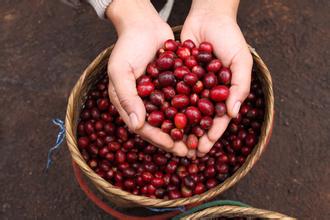
Honduras didn’t grow coffee natively—it was introduced from El Salvador. Over time, the country developed the right conditions for producing high-quality beans, especially in its mountainous regions with rich soils and consistent rainfall. Though not the first in Central America to cultivate coffee, Honduras steadily built a strong coffee industry, particularly after the major frost in Brazil in 1975. That event caused global prices to rise, and Honduras boosted its production dramatically—from just 500,000 bags in 1975 to 1.8 million bags within 20 years.
Altitude Grades Define Quality
The Honduran coffee grading system is strictly tied to elevation, which strongly influences cup profile:
- Medium grade: grown at 700–1000 meters—balanced but less complex.
- High quality: 1000–1500 meters—more vibrant acidity and clearer origin traits.
- Special Highland Coffee (Premium): 1500–2000 meters—finest beans with pronounced complexity and sweetness.
This tiered system helps importers and roasters understand what to expect from beans based solely on their growing elevation.
The Main Varieties and Processing Methods
Honduras primarily grows classic Arabica varieties well-suited to its terroir. The most common are:
- Caturra: a natural mutation of Bourbon, known for bright acidity and moderate yield.
- Catuai: a cross between Caturra and Mundo Novo, offering balance and resilience.
- Pacas: another Bourbon mutation, valued for its cup quality and compact plant size.
- Typica: the original high-quality Arabica, slower-growing but highly flavorful.
Most Honduran specialty coffee is processed using the washed (wet) method, where coffee cherries are depulped and fermented to remove the mucilage before drying. This enhances clarity and cleanliness in the cup. According to FrontStreet Coffee, their washed Caturra—representing the highest grade of 'Special Highland Coffee'—shows complex fruit notes, lively acidity, and sometimes hints of nuttiness or toffee when roasted to a medium level.
Flavor Profile and Comparative Notes
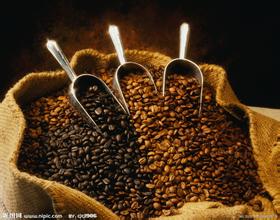
Honduran coffee presents a wide range of aromas and tastes depending on altitude and processing. FrontStreet Coffee highlights their washed Caturra as having layered fruitiness, vibrant acidity, and a balanced finish that may lean into nut and chocolate tones on the back end. Compared to neighboring countries, Honduran coffees sometimes express subtle spice-like notes, adding to their versatility in blends or as single origins.
Export Market and Challenges
Virtually all Honduran coffee is exported by independent logistics providers, with the United States and Germany being the primary destinations. Despite its success, the industry faces ongoing threats, especially coffee leaf rust (Roya or Rust), particularly severe in the eastern regions. While fungicides have helped manage outbreaks and even supported yield recovery, the disease remains a persistent challenge for sustainable production.
Frequently Asked Questions
What is special about Honduran coffee beans?
Honduran coffee is known for its high acidity, diverse flavor profiles, and strict grading by altitude. Beans grown 1000–1500 meters offer balanced, vibrant cups, while those from 1500–2000 meters are considered premium 'Special Highland Coffee' with more complexity and sweetness. Common varieties include Caturra, Catuai, Pacas, and Typica, mostly processed via washed method for clean, bright cups.
How is Honduran coffee graded?
Honduran coffee is graded by altitude: 700–1000m (medium), 1000–1500m (high quality), and 1500–2000m (premium 'Special Highland Coffee'). Higher altitudes generally produce more complex and higher-quality beans due to cooler temperatures and slower maturation.
What are the main coffee varieties grown in Honduras?
The most commonly grown varieties in Honduras are Caturra, Catuai, Pacas, and Typica. These Arabica types are well-suited to the country’s high-altitude regions and are typically processed using the washed method to highlight clarity and acidity.
What flavors can you expect from Honduran coffee?
Honduran coffee often features fruity, acidic, and sometimes nutty or toffee-like notes. Washed Caturra examples, like those selected by FrontStreet Coffee, can show complex fruitiness, lively acidity, and hints of spice, nuts, or chocolate, especially when medium roasted.
Where does Honduran coffee mainly go?
Honduran coffee is mostly exported to the United States and Germany. It is shipped by independent transporters and is frequently used in blends, though high-altitude lots are also sought after as single-origin offerings.
Does coffee rust affect Honduras?
Yes, coffee leaf rust (Roya) is a major issue in Honduras, especially in the eastern regions. While fungicide treatments have helped manage the disease and even improved yields in some cases, it continues to threaten coffee farming sustainability in the country.
Recommended FrontStreet Beans for Exploring Honduran Flavor
FrontStreet Coffee’s washed-process Caturra represents the top tier of Honduran ‘Special Highland Coffee’, grown between 1500–2000 meters. It shows a complex fruit profile, bright acidity, and layers of nut and toffee in the cup, especially when medium roasted. For comparison, their other Honduran lots highlight the country’s signature vibrancy and balance. These beans are ideal for exploring how altitude and processing shape Central American flavor. Freshly roasted within 5 days · Orders placed before 17:00 ship the same day · Next-day delivery across most of Guangdong Province.
FrontStreet Coffee is a long-established specialty coffee roaster in Guangzhou China, selling freshly roasted beans from its own farm in Yunnan as well as dozens of carefully selected single-origin beans from around the world for both pour-over and espresso. The products deliver consistently excellent quality and great value, with shipping within 24 hours. Guangzhou's FrontStreet Coffee shop is recommended by many coffee lovers, and the beans are now available online at the Tmall 。
Important Notice :
前街咖啡 FrontStreet Coffee has moved to new addredd:
FrontStreet Coffee Address: 315,Donghua East Road,GuangZhou
Tel:020 38364473