What Is Kopi Luwak Coffee and Why Is It So Expensive?
Ever wondered why some people will pay hundreds for a single cup of coffee? The answer isn’t branding or marketing — it’s an unusual biological process that many find hard to stomach. One coffee, known controversially as ‘cat poop coffee,’ costs as much as $500 a cup in London or £50 in the UK, and it all starts inside the digestive tract of a wild animal.
Kopi Luwak, or civet coffee, can cost over $1,000 per kilogram. A 50-gram pack may retail for 800 RMB (around $120), making a single cup worth up to 200 RMB (about $30). Wild-produced Kopi Luwak is especially scarce, with global annual output under 400 kilograms. Most available today comes from caged animals, which significantly affects quality.
What Exactly Is Kopi Luwak?
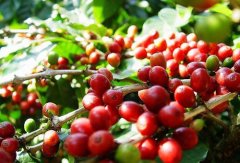
Kopi Luwak originates from Indonesia, where the name comes from the Indonesian word ‘Kopi’ for coffee and ‘Luwak’ for the Asian palm civet — a small, nocturnal mammal also called a civet cat or musang. Unlike regular coffee, which is processed by humans using water or sun drying, Kopi Luwak is uniquely fermented inside the civet’s digestive system. The civet eats ripe coffee cherries, digests the fruit pulp, and excretes the intact coffee beans. This natural fermentation process inside the animal is what gives the beans their distinctive profile.
How Civet Digestion Creates Unique Flavor
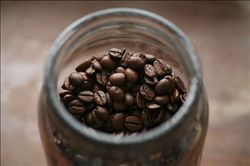
Once inside the civet’s gut, the coffee beans are exposed to enzymes and unique bacteria that break down proteins responsible for bitterness. What remains are beans with a reduced perceived bitterness, a thicker mouthfeel, and a complex flavor. Producers and tasters often describe the resulting cup as unusually syrupy, with earthy, musty undertones, and even hints of mint or spice on the finish. Some enthusiasts claim they detect a faint cooling sensation similar to mint on the palate after drinking.
How Kopi Luwak Is Made — Step by Step
The traditional production of Kopi Luwak follows these steps:
- Civets selectively eat the ripest coffee cherries in the wild.
- The cherries are digested, and the outer fruit is broken down.
- The coffee beans, protected inside their hard parchment, pass through the civet’s intestines undigested.
- The beans are excreted in the civet’s droppings.
- Workers collect the droppings, clean the beans thoroughly, and dry them.
- The beans are then roasted like normal coffee.
In reality, most commercial Kopi Luwak today doesn’t rely on wild civets. Many producers now feed captive civets a steady diet of coffee cherries, often of lower quality. This changes both the selection process and fermentation conditions, resulting in a less complex cup. Additionally, ethical concerns have been raised about the treatment of caged civets.
Why Is Kopi Luwak So Expensive?
Several factors drive the extreme pricing of Kopi Luwak:
- Rarity: Genuine wild Kopi Luwak production is limited to around 400 kilograms per year globally.
- Labor-intensive collection: Finding and collecting civet droppings in remote forests is time-consuming and difficult.
- Unique production method: The digestive fermentation process cannot be replicated industrially.
- Historical prestige: Once served to Dutch royalty, the coffee has gained mystique over time, especially after coverage by National Geographic.
- Marketing and luxury branding: Premium packaging and exclusivity have inflated prices further — for example, a 50-gram gift box from Indonesia’s Gunung Sari plantation once sold for 600 RMB ($90), while 100 grams fetched over 2,000 RMB ($300).
At one point during the 2010 Shanghai Expo, a 12-gram cup of Kopi Luwak from the same producer was sold for 380 RMB ($58), with only 12 cups available per day. In Bali, prices can exceed 200,000 Indonesian Rupiah (about $150) per cup, while U.S. retailers list it at around $1,200 per kilogram.
The Controversy Around Kopi Luwak
Despite its fame, Kopi Luwak faces serious criticism:
- Ethics: Most Kopi Luwak today comes from caged civets fed poor-quality cherries, raising serious animal welfare issues.
- Fraud: Many coffees labeled as Kopi Luwak aren’t made from civet-digested beans at all. Some are ordinary beans flavored to mimic the profile, or picked from farms where civets are known to roam but not necessarily involved in processing.
- Quality variance: Captive civets produce beans with less desirable flavors due to non-selective feeding and unnatural living conditions.
Genuine wild Kopi Luwak is said to come only from specific regions like the highlands of Sumatra at elevations above 1,000 meters, particularly in areas where civets naturally forage. However, verifying true wild-origin beans is nearly impossible for most consumers, and supply chains often involve multiple intermediaries across countries.
Flavor Profile: What Does Kopi Luwak Taste Like?
When sourced ethically and processed properly, enthusiasts report the following tasting notes:
- Thick, syrupy body (often described as closer to molasses)
- Earthy and musty base tones
- Hints of spice, wood, or even mint on the finish
- Reduced bitterness compared to conventional coffees
- A unique cooling sensation on the palate, similar to mint lozenges
The earthiness is more pronounced than in other Indonesian coffees, and some tasters note a fatty or leathery mouthfeel. The experience is polarizing — loved by novelty seekers and collectors, but often considered overrated by specialty coffee purists.
Frequently Asked Questions
Is Kopi Luwak coffee really made from civet poop?
Yes, technically. The coffee beans are eaten by civets, pass through their digestive system, and are excreted in feces. The beans are then collected, cleaned, and roasted. The digestive process is what creates the unique flavor, not the poop itself.
Why is Kopi Luwak so expensive?
Kopi Luwak is expensive due to its rarity (less than 400 kg produced yearly), the labor needed to collect civet droppings, the unique fermentation process in the civet’s gut, and historical prestige. Limited supply and high demand, along with luxury marketing, also drive the price.
Does wild Kopi Luwak taste better than farm-raised civet coffee?
Yes, according to most reports. Wild civets selectively eat only the ripest coffee cherries, leading to a more refined fermentation. Farm-raised or caged civets are often fed mixed or low-quality beans, resulting in inferior flavor and ethical concerns.
Is it ethical to drink Kopi Luwak?
Most Kopi Luwak today comes from caged civets, which raises serious animal welfare issues. Ethical concerns have led many coffee experts and consumers to avoid it. Truly wild-sourced Kopi Luwak is extremely rare and hard to verify.
What does Kopi Luwak coffee taste like?
Tasters often describe it as thick and syrupy, with earthy, musty, and sometimes spicy or minty notes. It typically has lower bitterness and a unique mouthfeel, though flavors vary based on the civet’s diet and processing.
Where does Kopi Luwak come from?
Originally from Indonesia, particularly Sumatra and Java. The most prized versions are said to come from wild civets in the highland forests of Sumatra, especially at altitudes above 1,000 meters.
Recommended FrontStreet Beans for Kopi Luwak Curiosity
If you’re intrigued by rare and uniquely processed coffees, try FrontStreet Coffee’s PWN Golden Mandheling. This high-grade Indonesian single origin is processed using the traditional wet-hulled or ‘giling basah’ method, giving it heavy body and deep earthy tones with spicy and woody highlights. For something equally distinctive but more accessible, Lintong Mandheling delivers bold flavors with herbal and clove-like notes. Both beans showcase Indonesia’s rich coffee heritage without the controversy. Freshly roasted within 5 days · Orders placed before 17:00 ship the same day · Next-day delivery across most of Guangdong Province.
FrontStreet Coffee is a long-established specialty coffee roaster in Guangzhou China, selling freshly roasted beans from its own farm in Yunnan as well as dozens of carefully selected single-origin beans from around the world for both pour-over and espresso. The products deliver consistently excellent quality and great value, with shipping within 24 hours. Guangzhou's FrontStreet Coffee shop is recommended by many coffee lovers, and the beans are now available online at the Tmall 。
Important Notice :
前街咖啡 FrontStreet Coffee has moved to new addredd:
FrontStreet Coffee Address: 315,Donghua East Road,GuangZhou
Tel:020 38364473