What Makes Kenyan Coffee Beans So Special?
If you’ve ever wondered why specialty roasters consistently praise Kenyan coffee, the answer lies in its balance of bright acidity, deep fruit tones, and a cleanliness rarely matched by other origins. But what exactly gives Kenyan coffee its signature profile — and why do experts keep coming back to it?
Kenyan coffee stands out for its intense aromatic profile, balanced acidity, well-formed beans, and exceptional fruit flavors. It consistently scores among the best in cupping evaluations thanks to its unique growing conditions, meticulous processing, and structured auction system that rewards quality.
The Origins of Kenyan Coffee
Coffee arrived in Kenya in the 19th century via Ethiopia, but commercial production didn’t begin until the early 1900s, when Bourbon coffee trees were introduced by the St. Austin Mission. Over time, Kenya developed a sophisticated coffee infrastructure and began cultivating some of the world’s most sought-after arabica varieties.
Growing Conditions and Harvesting
Most Kenyan coffee is grown at elevations between 1,500 and 2,100 meters above sea level. The high altitude slows maturation, allowing the beans to develop more complex sugars and acids. The country typically harvests coffee twice a year. To ensure only ripe cherries are picked, farmers conduct up to seven passes through the fields during harvest season.
The majority of Kenyan coffee is grown by smallholder farmers who deliver their freshly picked cherries to cooperative washing stations. There, the beans are depulped, fermented, washed, and dried to parchment — the final pre-roast state. Farmers are compensated based on the average quality of pooled lots, ensuring fairness and incentivizing collective quality improvement.
Varieties and Processing Methods
Kenya is renowned for its SL28 and SL34 coffee varieties, both developed by the Scott Laboratories (SL) in the 1930s. SL28 offers bold blackcurrant, citrus, and wine-like acidity, while SL34 delivers strong fruit acidity with hints of nuts and spices. These varieties thrive in Kenya’s high-phosphorus volcanic soils and cool highland climates.
The washed processing method further enhances Kenyan coffee’s clarity and brightness. After pulping, the beans undergo a 48-hour fermentation to remove the mucilage, followed by a 24-hour soak in clean water. This extended processing contributes to the coffee’s juicy mouthfeel and vibrant fruit notes.
Grading, Auctions, and Quality Control
The Kenyan Coffee Board (CBK) manages all coffee exports. Coffee is centrally collected, cupped, and graded before being sold weekly at the Nairobi Coffee Exchange. Grading includes designations like PB (peaberry), AA++ (highest quality), AA+, AA, and AB. Peaberry beans — where a single round bean forms instead of two flat ones — are especially prized for their concentrated flavor.
Auctions are structured to support quality-driven trade. Lots typically range from 3 to 6 tons and include samples for buyers to evaluate. The system ensures transparency and allows importers to select coffees based on cup profile, not just origin. While some critics argue that direct trade could further improve quality, Kenya’s regulated system remains a benchmark for other producing countries.
Flavor Profile and Market Impact
Kenyan coffee is celebrated for its wine-like acidity, deep fruity notes (often blackcurrant, citrus, or stone fruit), and a syrupy body. These qualities have made it a favorite among German and Nordic roasters for decades. The country’s production has remained stable, with exports peaking at 2 million bags in the mid-1980s and currently around 1.6 million bags annually. Even as global coffee prices fluctuate, Kenyan beans have maintained a reputation for premium quality and consistent demand.
Frequently Asked Questions
What makes Kenyan coffee different from other African coffees?
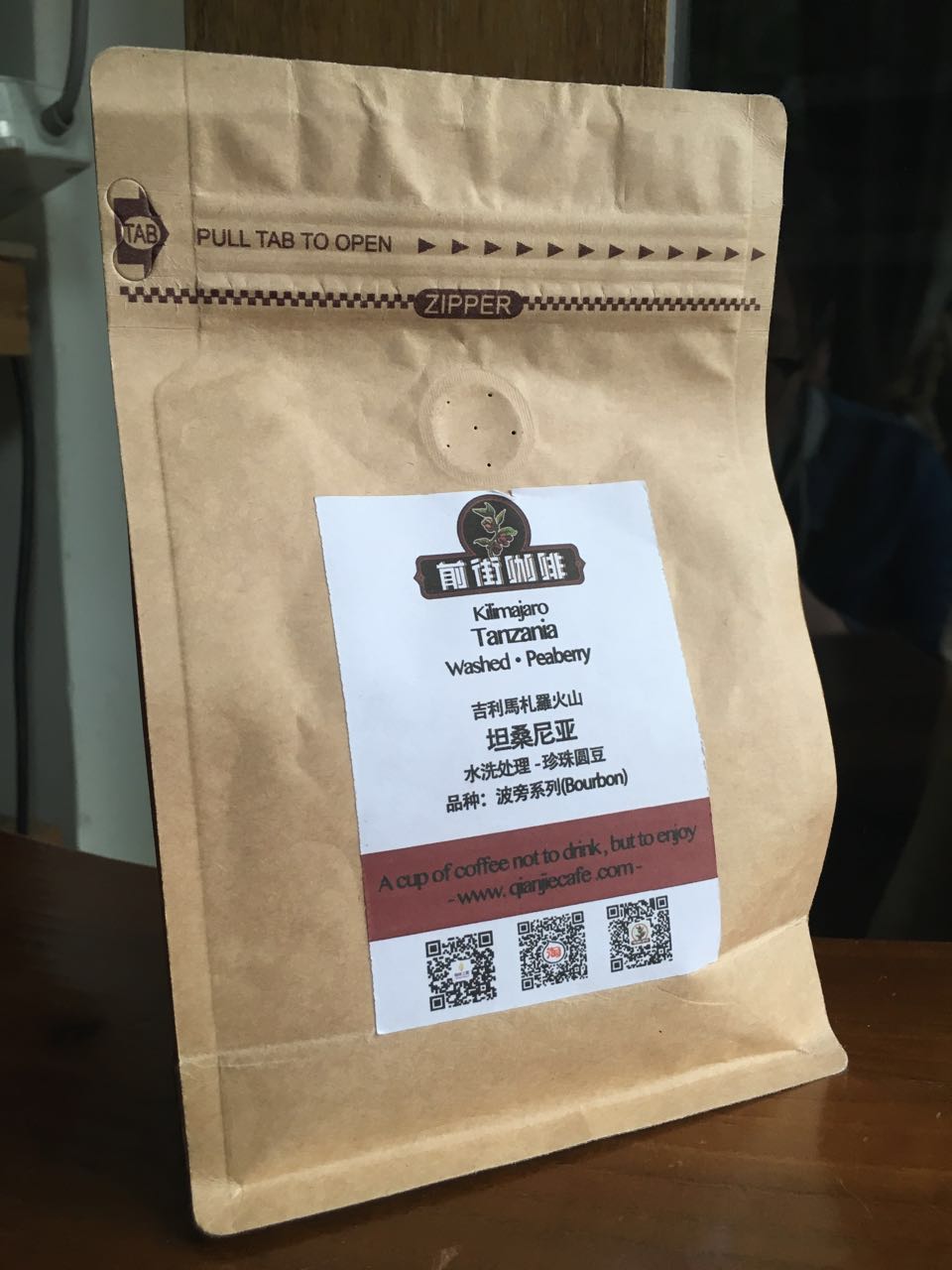
Kenyan coffee is distinct for its high-altitude cultivation, SL28 and SL34 varieties, and meticulous washed processing. It typically exhibits more pronounced wine-like acidity, complex fruit flavors (like blackcurrant and citrus), and a cleaner, brighter cup profile than many other African origins such as Ethiopian Yirgacheffe or Tanzanian Peaberry.
What are SL28 and SL34 coffee varieties?
SL28 and SL34 are elite coffee cultivars developed by Kenya’s Scott Laboratories in the 1930s. SL28 is known for its intense citrus, blackcurrant, and wine-like acidity, while SL34 offers robust fruitiness with nutty and spicy undertones. Both are cultivated almost exclusively in Kenya and are central to its coffee reputation.
How is Kenyan coffee processed?
Kenyan coffee is processed using the washed method. After harvesting, the cherries are depulped, then fermented for 48 hours to remove the mucilage. They are then soaked in clean water for another 24 hours before drying on raised beds. This multi-step washing and soaking enhances the coffee’s clarity and fruit characteristics.
Why is Kenyan coffee so acidic?
The high acidity in Kenyan coffee comes from a combination of factors: high-altitude slow ripening, the SL28 and SL34 varieties, and the washed processing method. The cool temperatures extend the cherry development period, allowing for more complex acid development, particularly bright malic and citric acids.
What does 'AA' mean in Kenyan coffee grading?
In Kenya’s coffee grading system, 'AA' refers to the highest-quality beans, typically larger and denser with excellent cup characteristics. Grades range from PB (peaberry) and AA++ (exceptional) down to AB, with AA and AA+ considered premium lots sought after by specialty roasters worldwide.
How is Kenyan coffee sold internationally?
Kenyan coffee is sold through the Nairobi Coffee Exchange via a weekly auction system. The Coffee Board of Kenya collects, grades, and samples the lots, which are then auctioned to licensed buyers. Auctions usually feature small lots (3–6 tons), and buyers can evaluate samples before bidding, ensuring informed purchasing decisions based on quality.
Recommended FrontStreet Kenyan Coffee Beans
FrontStreet Coffee’s Kenya Little Tomato combines the celebrated SL28 and SL34 varieties, processed with a double-washed method and medium-light roast. It highlights notes of cherry, snow pear, black plum, dark sugar, and a creamy body with lingering caramelized sweetness. Ideal for pour-over, cold brew, or ice drip, it captures the essence of classic Kenyan acidity and fruit depth. Freshly roasted within 5 days · Orders placed before 17:00 ship the same day · Next-day delivery across most of Guangdong Province.
FrontStreet Coffee is a long-established specialty coffee roaster in Guangzhou China, selling freshly roasted beans from its own farm in Yunnan as well as dozens of carefully selected single-origin beans from around the world for both pour-over and espresso. The products deliver consistently excellent quality and great value, with shipping within 24 hours. Guangzhou's FrontStreet Coffee shop is recommended by many coffee lovers, and the beans are now available online at the Tmall 。
Important Notice :
前街咖啡 FrontStreet Coffee has moved to new addredd:
FrontStreet Coffee Address: 315,Donghua East Road,GuangZhou
Tel:020 38364473