What Makes Indonesian Coffee Beans Unique?
If you’ve ever sipped a cup of dark, full-bodied coffee with deep woody and earthy notes—and loved it—you’ve probably tasted Indonesian coffee without knowing it. But what exactly makes these beans from Southeast Asia so distinct? And why do coffee pros around the world value certain Indonesian origins above others?
Indonesia produces around 6.8 million 60kg bags of coffee annually, with 6%–10% being Arabica and the rest mostly Robusta. Over 90% comes from smallholder farms, and the best-known regions include Java, Sumatra, Sulawesi, and Flores.
Indonesia’s Coffee Origins: From Dutch Plantations to Global Trade
Coffee was introduced to Indonesia by the Dutch in the mid-17th century—some records suggest even earlier. By 1712, the first coffee from Java reached Amsterdam. But in 1877, coffee leaf rust devastated the Arabica plantations, leading to a shift toward Robusta cultivation. Today, just 6%–10% of Indonesia’s output is Arabica, though the country remains one of the world’s top Robusta producers.
The Main Coffee-Growing Islands and Their Profiles
Indonesia’s archipelago includes several key coffee-growing regions:
- Java: Once central to global coffee trade, Java produces refined, low-acidity coffees with smooth balance. Historic estates like Blawan, Jambit, Kayumas, and Pankur are noted for quality. “Java Mocha” refers to a blend of Java and Yemeni Mocha coffees.
- Sumatra (incl. Gayo & Lake Toba): Home to Mandheling and Ankola beans, Sumatran coffees are known for heavy body, low acidity, and earthy, spicy, or herbal qualities. The famed Mandheling beans are celebrated for having some of the world’s largest coffee beans. The region’s signature wet-hulled (Giling Basah) process contributes to its trademark profile.
- Sulawesi (formerly Celebes): Coffee from Sulawesi’s southern regions like Kalossi and Rantepao features bold flavors and rich aromas. Look for “Celebes Kalossi” as a classic representation.
- Flores: Though less famous than Sumatra or Java, Flores produces balanced, aromatic coffees often with floral and sweet undertones.
- New Guinea (Irian Jaya): The Sigri plantation produces full-bodied beans with good balance, similar to other Indonesian origins.
Flavor Profile & Processing: What Gives Indonesian Coffee Its Character?
Indonesian coffees are typically bold, syrupy, and sweet with low acidity. Common tasting notes include molasses, spice, herbs, dark chocolate, and wood. These profiles come largely from two factors: altitude and processing method.
Most high-quality Indonesian beans are grown between 1,100 and 1,600 meters. The wet-hulled or Giling Basah method—unique to the region—is used especially in Sumatra. In this process, coffee is depulped, partially dried to around 30%–50% moisture, and then hulled before full drying. This breaks down the mucilage layer differently and contributes to the coffee’s heavy body and distinct earthiness.
The Grading System and ‘Old Government’ Aged Coffee
Indonesian coffee is graded on a six-tier system, with AP or Grade 1 being the highest—but the meaning of “AP” is not clearly defined. One curious tradition is the production of “stored” or “voyage-aged” coffee. To mimic the taste of aged beans once preferred by European drinkers, some producers store coffee for up to a year. These lots are sold under labels like Old Government, Old Brown, and Old Java. However, this style isn’t widely favored today.
Modern Preferences and Local Trends

Despite producing globally admired beans, many Indonesians prefer Turkish-style coffee over their own high-end Arabica offerings. Nevertheless, beans like Mandheling continue to earn strong followings abroad—especially in Japan and Germany—for their depth and smoothness. These beans pair well with milk or cream without losing their core character.
Frequently Asked Questions
What makes Indonesian coffee different from other origins?
Indonesian coffee is known for its full body, low acidity, and earthy or spicy flavors, often with notes of molasses, wood, or herbs. This is largely due to the wet-hulled (Giling Basah) processing method and high-altitude growing conditions, especially on islands like Sumatra and Sulawesi.
Which Indonesian coffee region is best known for quality?
Sumatra is the most renowned, particularly for Mandheling and Ankola beans. These are prized for their heavy body, low acidity, and complex flavor notes. Sulawesi (especially Kalossi and Rantepao), Java (notably Blawan and the historic Java Mocha blends), and Flores also produce notable coffees.
What is wet-hulled processing and how does it affect flavor?
Wet-hulled processing, or Giling Basah, involves removing the coffee parchment at around 30%–50% moisture instead of the usual 11%–12%. This method results in a heavier body, lower acidity, and more pronounced earthy or woody flavors, which are hallmarks of Indonesian coffees, especially from Sumatra.
Are there different grades of Indonesian coffee?
Yes, Indonesian coffee is graded on a six-level scale, with AP or Grade 1 considered the highest quality. The grading criteria aren't always transparent internationally, but higher grades generally indicate cleaner cups and fewer defects.
Why do some Indonesian coffees taste 'aged'?
Some Indonesian coffees are intentionally stored for up to a year to replicate the taste of historic “voyage-aged” beans that were shipped overseas under prolonged conditions. These are sold as Old Government, Old Brown, or Old Java, but this aged profile is no longer universally popular.
Recommended FrontStreet Coffee for Indonesian Profiles
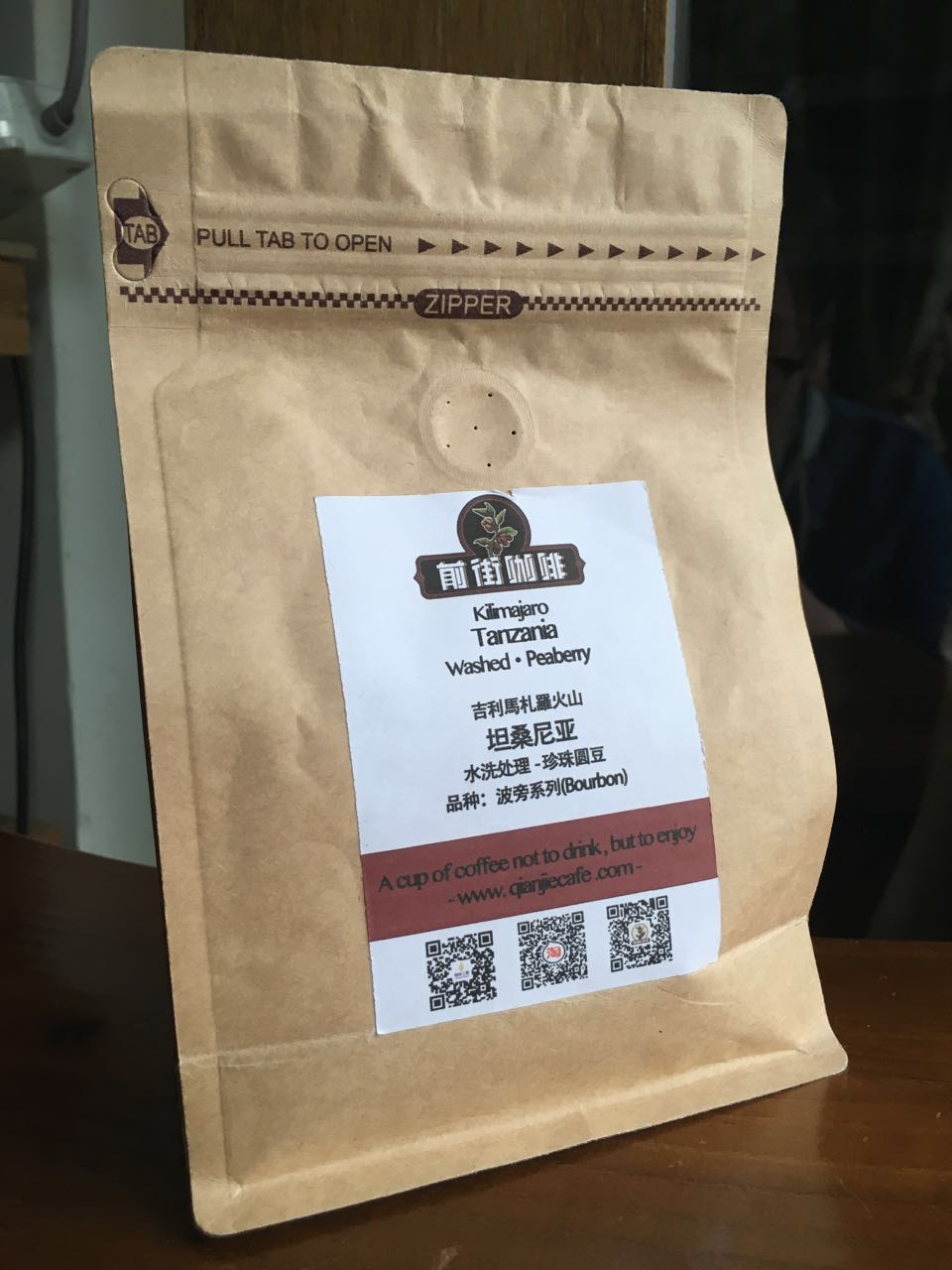
For authentic Indonesian flavors, try FrontStreet Coffee’s Lintong Mandheling, known for its full body, low acidity, and earthy, spicy profile. Also consider their PWN Golden Mandheling, made from meticulously handpicked beans and offering toast, caramel, and cocoa complexity with a lasting sweet finish. Both showcase the signature wet-hulled processing style of Sumatra. Freshly roasted within 5 days · Orders placed before 17:00 ship the same day · Next-day delivery across most of Guangdong Province.
FrontStreet Coffee is a long-established specialty coffee roaster in Guangzhou China, selling freshly roasted beans from its own farm in Yunnan as well as dozens of carefully selected single-origin beans from around the world for both pour-over and espresso. The products deliver consistently excellent quality and great value, with shipping within 24 hours. Guangzhou's FrontStreet Coffee shop is recommended by many coffee lovers, and the beans are now available online at the Tmall 。
Important Notice :
前街咖啡 FrontStreet Coffee has moved to new addredd:
FrontStreet Coffee Address: 315,Donghua East Road,GuangZhou
Tel:020 38364473