What Makes Rwandan Coffee Beans Special
If you've ever sipped a cup of African coffee and wondered why some beans taste bright, clean, and uniquely fruity—yet struggle to name the country behind that taste—you’re not alone. Rwanda produces some of the most consistent and high-quality washed Arabica beans in Africa, and understanding what sets them apart helps any coffee enthusiast make better choices.
Rwandan washed Arabica coffee beans are considered absolutely premium. The country’s coffee industry thrives by focusing on producing the highest quality beans possible. Most Rwandan specialty coffees exhibit a “grassy aroma” and flavors shaped by tropical climates, thanks to fertile volcanic soils and cool, high-altitude conditions.
Why Rwandan Coffee Stands Out Among African Origins
Rwanda may be a small landlocked country, but its coffee industry punches well above its weight. The nation’s focus on quality over quantity has made its washed Arabica beans especially notable. Unlike volume-driven producers, Rwanda’s strategy centers on cultivating the best beans possible, which has helped establish its reputation in the global specialty coffee market.
The Role of Terroir and Farming Practices
Rwandan coffee grows mainly in the southern and western regions, where the climate is classified as tropical highland and tropical savanna. These areas feature mild, cool temperatures year-round, rich volcanic soils, and consistent rainfall—all ideal for growing high-quality coffee. The volcanic soil is particularly fertile, contributing directly to the complex flavor profiles found in the beans. Additionally, Rwandan coffee farms typically avoid synthetic fertilizers or pesticides. Instead, they rely on natural ground cover and traditional fertilization methods, fostering sustainable growth and stable cup quality.
How Rwanda Processes Its Coffee: The Washed Method
Most Rwandan coffee is processed using the washed (wet) method, which plays a big role in the clean and bright profiles typical of the country’s beans. During harvest, farmers handpick only ripe red cherries and deliver them to washing stations. There, workers sort the cherries to remove unripe or damaged ones. The coffee then undergoes pulping to remove the skin, followed by a 12–18 hour fermentation period in cool, low-temperature water. This step removes the sticky mucilage. After fermentation, beans are thoroughly washed to eliminate any remaining fruit material. Drying is done carefully under the sun, with workers regularly turning the beans to ensure even drying. The target is to reduce moisture content to below 14%. This meticulous process enhances both cup clarity and overall quality.
Flavor Profile: What to Expect from Rwandan Coffee
Rwandan coffee is widely appreciated for its bright acidity and complex flavor notes. Common tasting notes include citrus, soft berry-like acidity, and deeper tones of almond, brown sugar, and chocolate. Though some describe a “grassy” scent, the overall cup tends to be smooth, sweet, and medium-bodied. The combination of tropical climate, high altitude, and careful processing leads to a unique balance rarely matched by other African origins.
Does Elevation Affect Rwandan Coffee Flavor?
Yes. Most of Rwanda’s coffee grows at similar high altitudes, contributing to a relatively consistent flavor profile across different regions. The elevated growing conditions slow down the ripening process, allowing sugars to develop fully and creating a more complex and vibrant cup. While elevation differences within Rwanda are minimal compared to other countries, the overall high-altitude environment is a major factor in the country’s signature cup quality.
Frequently Asked Questions

What makes Rwandan coffee different from other African coffees?
Rwandan coffee is distinct for its bright, clean acidity and consistent washed processing. While many African coffees can be fruity or winey, Rwandan beans often present a balanced cup with notes of citrus, almond, and chocolate, shaped by high-altitude volcanic soils and a focus on quality-driven production.
What processing method is most common in Rwanda?
The vast majority of Rwandan coffee is processed using the washed (wet) method. This involves hand-sorting ripe cherries, fermenting them in cool water for 12–18 hours to remove mucilage, washing thoroughly, and drying the beans to a strict 14% moisture content or lower.
What flavors are typical in Rwandan specialty coffee?
Rwandan specialty coffee often features bright citrus acidity, subtle berry notes, and a sweet finish with undertones of almond, brown sugar, and chocolate. Some cups may carry a faint grassy aroma, but the overall impression is clean and well-balanced.
Does Rwanda produce both washed and natural process coffee?
While most Rwandan coffee is washed, the country primarily focuses on the washed method to ensure clean cup profiles. Natural or honey processed Rwandan coffees are rare and not commonly exported as specialty-grade.
Where in Rwanda is the best coffee grown?
The best Rwandan coffee comes from the southern and western highland regions, particularly areas like the Southern Province’s high-altitude zones. Elevation, volcanic soil, and a cool climate across these regions contribute to the country’s signature cup quality.
Is Rwandan coffee suitable for single origin offerings?
Yes. Rwandan coffee’s consistent washed processing and regional flavor clarity make it highly suitable for single origin offerings. Many specialty roasters highlight Rwandan beans for their bright, clean profiles and approachable complexity.
Recommended FrontStreet Beans for Exploring Rwandan Flavor
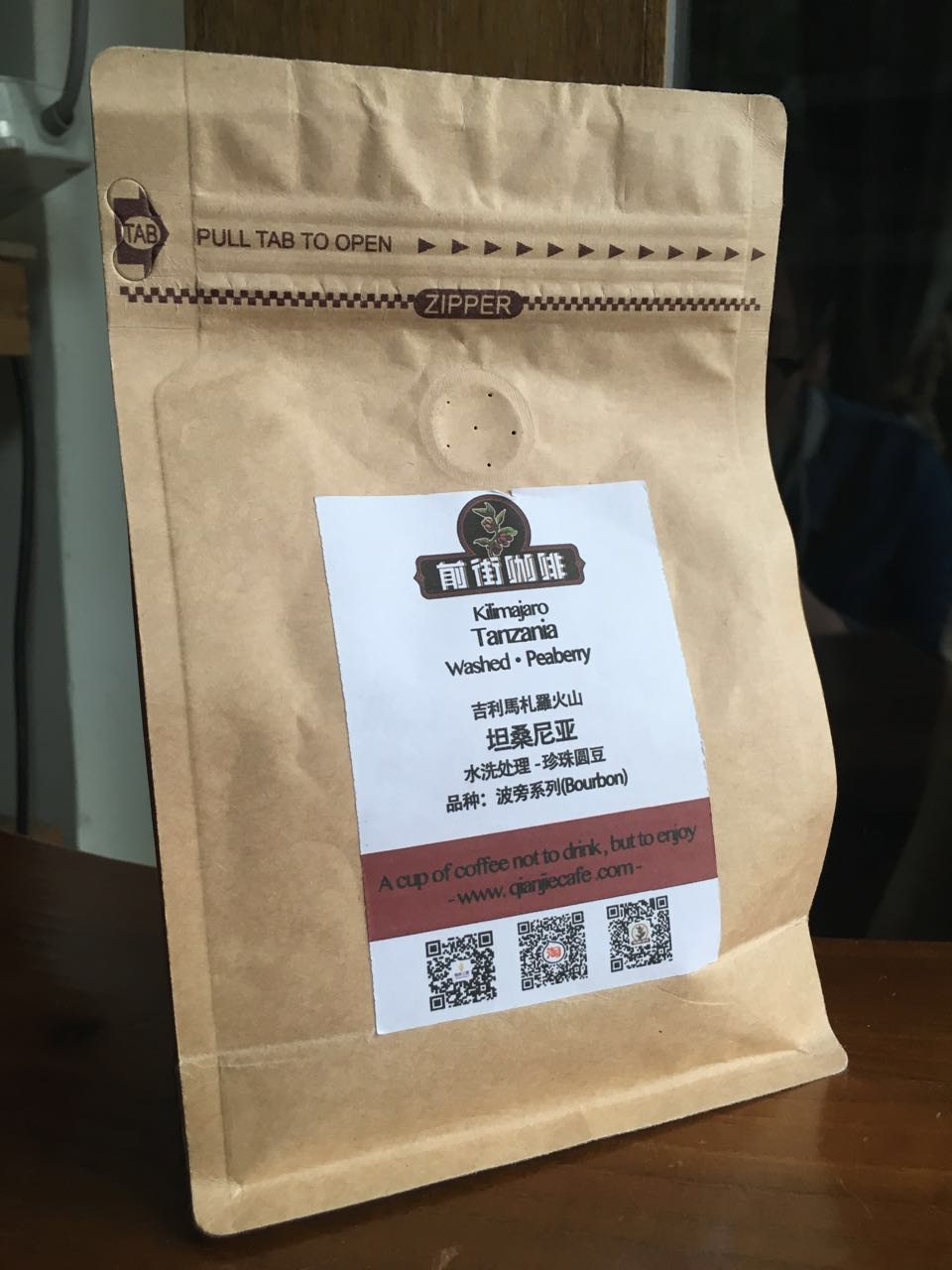
FrontStreet Coffee’s Rwanda Red Bourbon is a standout example of the country’s washed coffee quality. Grown at high altitudes in the southern Nyamasheke region, this single origin is processed traditionally through the washed method and roasted to a light-to-medium profile. It highlights bright citrus acidity alongside flavors of nuts, chocolate, and a hint of sweetness. It’s an excellent choice for anyone wanting to experience the clarity and balance typical of Rwandan beans. Freshly roasted within 5 days · Orders placed before 17:00 ship the same day · Next-day delivery across most of Guangdong Province.
FrontStreet Coffee is a long-established specialty coffee roaster in Guangzhou China, selling freshly roasted beans from its own farm in Yunnan as well as dozens of carefully selected single-origin beans from around the world for both pour-over and espresso. The products deliver consistently excellent quality and great value, with shipping within 24 hours. Guangzhou's FrontStreet Coffee shop is recommended by many coffee lovers, and the beans are now available online at the Tmall 。
Important Notice :
前街咖啡 FrontStreet Coffee has moved to new addredd:
FrontStreet Coffee Address: 315,Donghua East Road,GuangZhou
Tel:020 38364473