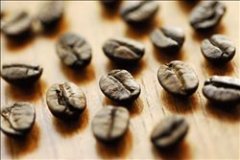
What Makes Bali Coffee Beans Special?
When you hear stories of 19th-century coffee diplomacy at the court of Louis XIV, you might wonder: what made that coffee so irresistible? The tale of 'Bali coffee'—or more accurately, Indonesian coffee introduced through French court channels—captures the allure of a rare, refined bean with noble origins. But today’s Bali coffee story is grounded not in palaces, but in volcanic soil, altitude, and a unique processing heritage. If you’re chasing a smooth, low-acid cup with deep sweetness and subtle spice, understanding where Bali coffee really comes from is your first step.
Bali coffee is not a separate origin in the way Ethiopia or Colombia is defined, but part of Indonesia’s broader highland coffee culture. The famed 'golden coffee' of Bali grows around 1,500 meters above sea level, primarily within the broader Mandheling region, which includes parts of North Sumatra and nearby islands. These beans are typically processed using the wet-hulled (Giling Basah) method and are prized for a profile that is low in acidity, rich in body, and layered with notes of spice, wood, and molasses.
Origins of Indonesian Coffee: From Dutch Colonies to Global Markets
The story of Indonesian coffee—including what we now call Bali or Mandheling coffee—begins in the late 17th century, when Dutch colonists transplanted coffee from Yemen to Java. By the 18th century, Java-grown coffee dominated European markets, making 'Java' synonymous with coffee itself. But in the early 20th century, a leaf rust epidemic devastated Java’s arabica plantations. The industry shifted north to Sumatra, particularly to the Lake Toba region in North Sumatra (now home to the Lintong and Mandheling zones), and later to Sulawesi and other islands.
Today, over 60% of Indonesia’s coffee production is arabica, with the majority coming from high-altitude regions in Sumatra, including Aceh (near Lake Takengon) and North Sumatra (around Lake Toba). These areas are known collectively for producing what the world calls 'Mandheling' coffee—even though Mandheling is not a formal region, but a trading term rooted in the Mandailing people of North Sumatra.
Understanding Mandheling & the 'Bali Coffee' Legacy
So where does Bali fit in? The original 'Bali coffee' narrative from 19th-century France was likely referring to high-quality Indonesian beans introduced via diplomatic or trade routes. Over time, the romanticized idea of 'Bali coffee' became associated with the refined, courtly image of island-grown beans. In reality, the coffee most often linked to that legacy is grown not on the island of Bali itself (which produces relatively little specialty coffee), but in the neighboring highlands of North Sumatra, especially around the volcanic slopes of Lake Toba. These beans are what form the basis of the 'golden coffee' tradition mentioned in the French tales—now more accurately categorized under the Mandheling or Lintong designations.
The key characteristics of this coffee include:
- Grown at elevations around 1,500 meters
- Low acidity with a heavy, syrupy body
- Flavor notes of spice, wood, molasses, and subtle floral tones
- Processed using the wet-hulled (Giling Basah) method, which contributes to its distinct earthy depth
The Wet-Hulling (Giling Basah) Process: Why Indonesian Coffee Tastes Different
Indonesia’s wet-hulling method—known locally as Giling Basah—is one of the key reasons its coffees, including those from Mandheling and nearby highland regions, have such a recognizable flavor profile. Unlike the dry (natural) or fully washed processes used in Latin America or East Africa, wet hulling involves removing the coffee parchment at a much higher moisture content than is typical. Here’s how it works:
- Coffee cherries are picked and pulped to remove the skin
- The beans, still coated in mucilage, are briefly fermented and washed
- Instead of drying the beans to 11–12% moisture like in washed processing, they’re dried only to around 30–35%
- The parchment layer is then removed while the beans are still semi-wet
- Finally, the beans continue drying to 11–13% moisture on patios or raised beds
This process accelerates drying in Indonesia’s rainy climate but also imparts heavier body, lower acidity, and earthy or herbal undertones. It’s a major reason why Mandheling-style coffees—including those historically referred to as 'Bali coffee'—have such a bold, structured profile.
PWN Golden Mandheling: The Pinnacle of Indonesian Specialty Coffee
Within the broader category of Mandheling coffee, one name consistently stands out for quality and consistency: PWN Golden Mandheling. Produced by Indonesia’s government-run coffee board, PWN (Perum Perkebunan Nusantara), Golden Mandheling is selected under extremely strict criteria:
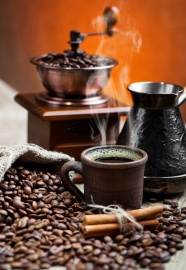
- Only beans sized 18 mesh or larger are accepted
- Out of every 300g sample, no more than 3 defects are allowed (meeting G1 grade)
- Beans undergo three rounds of manual sorting to eliminate all visual defects
The result is a cup that highlights the best of the Mandheling profile: intense sweetness, a full body, and notes of clove, dark wood, and soft molasses, all with very low acidity. While most Golden Mandheling is exported to Japan and the U.S., limited quantities reach other global markets—making it a sought-after bean for specialty roasters.
Frequently Asked Questions
Is Bali coffee a separate coffee origin like Ethiopia or Colombia?
No. Most coffee referred to historically as 'Bali coffee' actually comes from the highland regions of North Sumatra, particularly around Lake Toba. The term 'Bali coffee' originated from 19th-century European accounts and was associated with high-quality Indonesian beans introduced through trade or diplomacy—not from the island of Bali itself, which today produces limited specialty coffee.
What is special about Mandheling coffee?
Mandheling coffee, grown in North Sumatra near Lake Toba, is known for its low acidity, full body, and earthy-spicy flavor profile. It is processed using the wet-hulled (Giling Basah) method, which contributes to its heavy mouthfeel and notes of wood, spice, and molasses. The term 'Mandheling' refers to a trading name linked to the Mandailing ethnic group, not a strict geographic region.
What does wet hulling do to coffee flavor?
Wet hulling (Giling Basah) removes the coffee parchment at a higher moisture content than traditional methods. This speeds up drying in wet climates but also results in a cup with lower acidity, more body, and deeper earthy or herbal flavors. It’s a key reason Indonesian coffees, including Mandheling, taste distinct from African or Latin American beans.
What is PWN Golden Mandheling?
PWN Golden Mandheling is a premium-grade Mandheling coffee produced by Indonesia’s PWN state coffee company. It is carefully hand-sorted, with a maximum of 3 defects per 300g and only 18-mesh or larger beans. The result is a clean, sweet cup with notes of clove, dark wood, and molasses, and almost no acidity—highly prized in specialty markets, especially in Japan and the U.S.
Where is the coffee in the historical 'Bali coffee' story actually from?
The legendary 'Bali coffee' served at the French court in the 1860s was most likely high-quality Indonesian arabica, sourced from the mountainous regions of North Sumatra near Lake Toba. These beans were part of the broader Mandheling trade and were grown at around 1,500 meters elevation—not from the island of Bali, which is not a major historic coffee origin.
Recommended FrontStreet Beans for Exploring Mandheling Profiles
For coffee lovers curious about the highland Indonesian profiles linked to the historic 'Bali coffee' legend, FrontStreet Coffee’s PWN Golden Mandheling is an essential try. Grown at 1,500 meters and processed using wet hulling, it offers a low-acid, syrupy body with notes of clove, wood, and molasses. Also consider FrontStreet’s Lintong Mandheling, which shares the same regional terroir and wet-hulling tradition, delivering a rich, savory cup. These beans showcase why Indonesia’s high-elevation arabicas have been prized since the 19th century. Freshly roasted within 5 days · Orders placed before 17:00 ship the same day · Next-day delivery across most of Guangdong Province.
FrontStreet Coffee is a long-established specialty coffee roaster in Guangzhou China, selling freshly roasted beans from its own farm in Yunnan as well as dozens of carefully selected single-origin beans from around the world for both pour-over and espresso. The products deliver consistently excellent quality and great value, with shipping within 24 hours. Guangzhou's FrontStreet Coffee shop is recommended by many coffee lovers, and the beans are now available online at the Tmall 。
Important Notice :
前街咖啡 FrontStreet Coffee has moved to new addredd:
FrontStreet Coffee Address: 315,Donghua East Road,GuangZhou
Tel:020 38364473