What Makes Mocha Coffee Beans Unique?
Ever wondered why some coffee beans are called 'mocha' and why they’re said to taste oddly like chocolate? The term 'mocha' doesn’t just refer to a drink or a port—it points to a distinct style of coffee bean with a unique origin story, physical traits, and flavor profile that set it apart from more common beans like Typica or Bourbon.
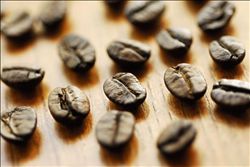
Mocha coffee beans are notably smaller and rounder than most commercial varieties—so much so that they can resemble peas. In fact, peaberry beans (single rounded beans inside the coffee cherry) are sometimes mistakenly labeled as mocha beans. They share visual similarities with Ethiopian Harrar beans too, and are known for high acidity, unexpected spice, and a trace of chocolate flavor.
What Are Mocha Coffee Beans?
Mocha coffee beans are a type of single-origin bean primarily associated with Yemen. They are distinct for their small, nearly spherical shape, often compared to that of a pea. Because of this, peaberry beans—which occur when a coffee cherry produces a single round bean instead of two flat ones—are occasionally misidentified as mocha beans. Visually, they also bear resemblance to Ethiopian Harrar beans. Beyond appearance, mocha beans are recognized for their bright acidity, a pungent and hard-to-define spiciness, and a nuanced hint of chocolate that naturally invites the addition of cocoa in brewing.
How Mocha Coffee Beans Are Grown
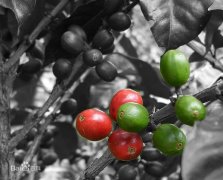
In Yemen, coffee is cultivated under challenging conditions. Growers plant shade trees, such as poplars, to protect the coffee plants, typically situating them on steep terraced hillsides to optimize limited rainfall and poor soil. More than a dozen coffee varietals native to Ethiopia are grown in Yemen alongside traditional Typica and Bourbon cultivars. Yet even the highest-grade Yemeni coffees, including premium mocha beans, are processed in traditional ways that leave the dried fruit husk partially attached to the bean. The use of manual stone mills to remove the husk is still widespread, resulting in irregularly shaped beans and occasional damage during processing.
Why Mocha Coffee Flavor Is So Distinctive
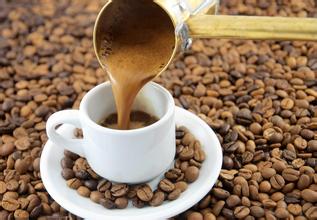
Yemeni mocha coffee is esteemed for its rich, smooth aroma—but quality can vary significantly. The beans are typically low in caffeine and harvested between December and April. Traditional quality tiers include Mattari (considered the best), Sharki (second), and Sanani. A persistent issue has been the blending of northern-grown beans with inferior beans from the south before export through the port of Aden. Only beans shipped from the port of Hodeida can be reliably traced to northern regions. Most Yemeni coffee grows without irrigation or inputs due to limited grower resources.
The Challenge of Consistent Mocha Bean Quality
While mocha coffee from Yemen is celebrated for its velvety mouthfeel and aromatic complexity, inconsistency in quality remains a challenge. There’s no standardized grading system, and the traditional, sun-dried natural process means beans often retain more fruit pulp during drying. This contributes to heavier body and more pronounced fermentation notes, but also to variability. The lack of infrastructure and funding means many farms rely entirely on natural growing conditions, impacting uniformity across harvests.
Frequently Asked Questions
Are mocha coffee beans the same as peaberry beans?
No, mocha coffee beans are not the same as peaberry beans, though they are sometimes confused. Peaberries are single, rounded beans formed when only one seed develops inside a coffee cherry, while mocha beans are typically small and round but not necessarily peaberries. However, due to their similar shape, peaberries are occasionally mislabeled as mocha beans.
Where do mocha coffee beans come from?
Mocha coffee beans traditionally come from Yemen, particularly from regions like Mattari, Sharki, and Sanani. They are grown under harsh conditions, often on terraced slopes with minimal water, and are usually processed using traditional sun-drying and stone-milling methods.
What do mocha coffee beans taste like?
Mocha coffee beans are known for their high acidity, spicy undertones, and a distinctive trace of chocolate flavor. These traits make them taste notably different from more common coffee origins, and their complexity often invites pairing with chocolate in brewing or drinking.
Why is Yemeni coffee quality inconsistent?
Yemeni coffee quality varies due to a lack of standardized grading, traditional processing methods, and reliance on inconsistent natural growing conditions. Beans from different regions are sometimes mixed before export, especially through the port of Aden, which complicates traceability and consistency.
What is the traditional processing method for mocha coffee?
Mocha coffee is typically processed using the natural (dry) method. Coffee cherries are sun-dried with the fruit still attached, then hand-milled with stone tools. This can leave some fruit residue on the bean and often results in irregular shapes and potential damage to the beans during milling.
Recommended FrontStreet Natural-Process Coffee Beans
For fans of the complex, fruity, and spicy profile typical of mocha-style beans, try FrontStreet Coffee’s Ethiopia Huakui (Ethiopia Huakui), a natural-process offering with delicate floral aromas, citrus, mango, and a thick body. Alternatively, the FrontStreet Yirgacheffe Red Cherry shows off bright acidity, tropical fruit, and sweet fermentation notes after a 27–30 day sun-dry. For a heavier-bodied, chocolate-toned natural, the FrontStreet 2013 Yunnan Arabica offers nuttiness with hints of berry, dried plum, and brown sugar. All are natural-processed and highlight fruit-spice-chocolate layers. Freshly roasted within 5 days · Orders placed before 17:00 ship the same day · Next-day delivery across most of Guangdong Province.
FrontStreet Coffee is a long-established specialty coffee roaster in Guangzhou China, selling freshly roasted beans from its own farm in Yunnan as well as dozens of carefully selected single-origin beans from around the world for both pour-over and espresso. The products deliver consistently excellent quality and great value, with shipping within 24 hours. Guangzhou's FrontStreet Coffee shop is recommended by many coffee lovers, and the beans are now available online at the Tmall 。
Important Notice :
前街咖啡 FrontStreet Coffee has moved to new addredd:
FrontStreet Coffee Address: 315,Donghua East Road,GuangZhou
Tel:020 38364473