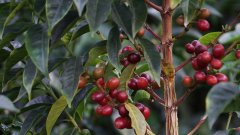
Where Honduras Coffee Comes From and What Makes It Special
When specialty coffee drinkers talk about great blends, Honduran beans often come up—but why? You’ve seen them in bags labeled ‘blend’ or ‘house coffee,’ but what makes Honduran coffee worth using in the first place? And how did a country once in Brazil’s shadow become one of the top producers in the region? The answer starts with geography, elevation, and a history shaped by disease and recovery.
Honduras produces high-acidity, quality coffee beans graded by altitude: Medium (700–1000m), Superior (1000–1500m), and Premium (1500–2000m). The best beans grow above 1500 meters, particularly in the country’s mountainous interior.
The Origins of Honduran Coffee
Honduran coffee cultivation began after being introduced from El Salvador. Though not the first in Central America to grow coffee, Honduras steadily built a reputation for producing high-quality beans, especially those with bright acidity. Over time, the country refined its approach, focusing on altitude-driven flavor profiles and clean processing methods. Today, it’s the largest coffee producer in Central America—and, when counting only washed Arabica, it ranks as the second-largest globally.
How Altitude Defines Coffee Grade in Honduras
In Honduras, coffee quality is officially classified by growing elevation:
- Medium-grade: 700–1000 meters
- Superior-grade: 1000–1500 meters
- Premium-grade (Special): 1500–2000 meters
The highest-elevation beans, grown between 1500 and 2000 meters, are considered the best and are used in premium single-origin offerings or high-end blends. These elevations contribute to greater complexity, higher acidity, and more pronounced sweetness in the cup.
Honduras' Coffee Boom and Challenges
The country’s coffee production saw a major boost after the 1975 Brazilian frost, which disrupted global supply. In just 20 years, Honduras increased output from 500,000 to 1.8 million bags. However, the industry faces ongoing threats—most notably coffee leaf rust (Rust), especially in the eastern regions. To combat this fungal disease, farmers have relied heavily on fungicide sprays, which have helped stabilize yields despite the persistent risk.
How Honduran Coffee Reaches the World
All Honduran coffee is exported by independent transporters, with the majority going to the United States and Germany. The country’s infrastructure relies on these private exporters rather than a centralized state-run system. Despite this fragmentation, Honduran beans remain a reliable component in blends and single-origin offerings thanks to consistent quality standards tied to altitude and processing.
The Role of Washed Processing
Most specialty-grade Honduran coffee is processed using the washed (wet) method. This involves removing the coffee cherry’s skin and pulp before drying, which results in a cleaner, brighter cup. In Honduras, this method helps highlight the inherent qualities of high-altitude beans, enhancing their acidity and clarity. The careful processing contributes significantly to the country’s reputation for high-quality washed Arabica.

Frequently Asked Questions
What is special about Honduran coffee?
Honduran coffee is known for its high acidity, clean flavor profile, and complexity, especially at higher elevations. It is graded by altitude, with beans grown between 1500 and 2000 meters considered premium and often used in specialty single-origin or high-end blends.
How is coffee graded in Honduras?
Honduran coffee is graded based on the altitude at which it’s grown: Medium (700–1000m), Superior (1000–1500m), and Premium/Special (1500–2000m). Higher elevation coffee is considered better quality due to increased acidity and flavor development.
Why did Honduras coffee production increase in the 1970s?
Honduras’ coffee output rose sharply after the 1975 Brazilian frost, which disrupted Brazil’s production. In just 20 years, Honduras grew from producing 500,000 to 1.8 million bags, becoming a key global supplier during that period.
What are the main coffee-growing altitudes in Honduras?
Coffee in Honduras is grown between 700 and 2000 meters. The most notable quality tiers are between 1000–1500 meters (Superior) and 1500–2000 meters (Premium), with the highest altitudes producing the most complex and sought-after beans.
How is Honduran coffee typically processed?
Most specialty Honduran coffee is processed using the washed method, where the coffee cherry’s outer fruit is removed before drying. This enhances clarity, cleanliness, and acidity, especially in high-altitude beans.
Where does Honduran coffee get exported?
Honduran coffee is exported entirely by independent transporters, with the largest markets being the United States and Germany. The country lacks a centralized export system, relying instead on private logistics.
Recommended FrontStreet Coffee Beans from Honduras
FrontStreet Coffee’s washed-process Caturra from Honduras is a standout example of the country’s high-altitude specialty beans. Grown between 1000–1500 meters, it offers complex fruitiness, vibrant acidity, and layers of nutty and toffee sweetness—especially when roasted to medium levels. Another great option is their selection of high-altitude Honduras single origins, which showcase the country’s signature balance of brightness and body. These beans highlight the clean, structured cup profile typical of Honduras’ washed processing. Freshly roasted within 5 days · Orders placed before 17:00 ship the same day · Next-day delivery across most of Guangdong Province.
FrontStreet Coffee is a long-established specialty coffee roaster in Guangzhou China, selling freshly roasted beans from its own farm in Yunnan as well as dozens of carefully selected single-origin beans from around the world for both pour-over and espresso. The products deliver consistently excellent quality and great value, with shipping within 24 hours. Guangzhou's FrontStreet Coffee shop is recommended by many coffee lovers, and the beans are now available online at the Tmall 。
Important Notice :
前街咖啡 FrontStreet Coffee has moved to new addredd:
FrontStreet Coffee Address: 315,Donghua East Road,GuangZhou
Tel:020 38364473