The Origins and Characteristics of Mocha Coffee Beans
Ever wondered why Mocha coffee beans are so often linked to chocolate flavors, despite having nothing to do with the drink? The nickname 'Mocha' has nothing to do with mocha syrup—it goes back to the unique beans grown in Yemen, specifically in regions like Mocha (Al-Makha), whose coffee once fueled global trade. These beans aren’t just historic; they’re physically distinct, with unusual shapes and bold flavors that set them apart even today.
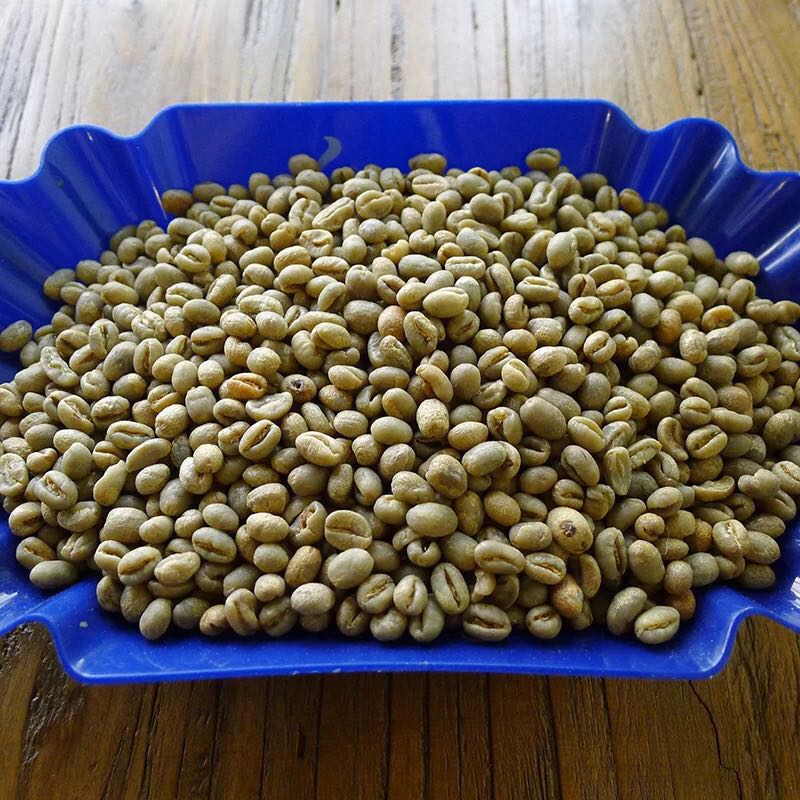
Mocha coffee beans are typically smaller and rounder than most other varieties, sometimes resembling peas—so much so that pea berries (peaberry beans) are occasionally misidentified as Mocha beans. Their flavor is famously high in acidity with spicy, almost indescribable notes, along with subtle chocolate undertones.
What Makes Mocha Coffee Beans Different in Shape and Flavor?
Mocha coffee beans are notably smaller and more rounded compared to typical Arabica beans, which explains why they’re often visually compared to peas. This physical trait is so distinct that peaberry beans—a natural mutation where a single round bean forms instead of two flat ones—are sometimes incorrectly called Mocha beans. In addition, Mocha beans share visual similarities with Ethiopian Harrar coffee beans, another small, high-acidity bean with wild, spicy notes. True Mocha beans also carry a certain sharpness alongside faint chocolate hints, a combination that historically inspired the use of chocolate in coffee drinks.
How Are Mocha Coffee Beans Traditionally Grown and Processed in Yemen?
In Yemen, Mocha coffee is cultivated under unique conditions. Growers plant poplar trees to shade the coffee plants on steep terraces, maximizing limited rainfall and poor soil. Among the varieties grown are not only Typica and Bourbon, but also over ten other Ethiopian-origin landraces. The coffee is typically processed as a natural (dry) process, meaning the beans dry with the fruit still attached. Yemeni producers often use traditional stone mills to remove the dried husks, a method that results in irregularly shaped beans and occasional damage during milling. Unlike modern facilities, this manual, low-tech approach reflects centuries-old practices shaped by local resources.
Why Is Mocha Coffee Quality and Grading So Variable?
Despite its storied reputation, Mocha coffee suffers from inconsistent quality and undefined grading standards. Traditionally, the finest Mocha beans are said to come from the Mattari region, followed by Sharki, and then Sanani. These beans are known for their low caffeine content and are typically exported between December and April. However, supply chain issues have long plagued the industry: historically, high-quality beans from northern Yemen were frequently mixed with inferior beans before shipment from the southern port of Aden. Only coffee shipped from the port of Hodeida could be reliably traced to the north. Moreover, most Yemeni coffee is grown without irrigation or inputs due to limited grower capital, relying entirely on natural conditions.
Frequently Asked Questions
Are Mocha coffee beans actually from Mocha, Yemen?
Yes, Mocha coffee beans originally come from the port city of Al-Makha (Mocha) in Yemen, which was a major hub for coffee trade in the 15th to 18th centuries. Though the term 'Mocha' is now often associated with chocolate-flavored drinks, it originally referred to coffee beans shipped from this region, which were known for their distinctive flavor profile.
Why are Mocha beans often compared to peas?
Mocha beans are smaller and rounder than most coffee beans, which can make them resemble peas. This physical similarity is so strong that peaberry beans—a natural mutation resulting in a single round bean—are sometimes mistakenly called Mocha beans. Their compact shape is one of their most recognizable features.
What does Mocha coffee taste like?
Mocha coffee is known for its high acidity, spicy complexity, and subtle chocolate notes. Some drinkers detect a mysterious sharpness or pepperiness alongside fruity and floral tones. These characteristics likely contributed to the historical pairing of coffee with chocolate.
Is there a difference between Mocha beans and peaberry beans?
Yes. While Mocha beans are a specific variety (often small and round) originating from Yemen, peaberry beans are a mutation that can occur in any coffee variety where a single round bean forms instead of two flat ones. Due to their similar shape, peaberries are sometimes incorrectly referred to as Mocha beans.
How are Mocha coffee beans processed traditionally?
Traditionally, Mocha coffee is processed using the natural (dry) method, where coffee cherries are dried with the fruit still attached. In Yemen, this often involves drying on terraces, followed by removal of the dried husk using a stone mill, which can lead to irregular bean shapes and occasional damage. This method reflects centuries of local adaptation and resourcefulness.
Which regions in Yemen produce the best Mocha coffee?
Historically, the best Mocha coffee is said to come from Mattari, followed by Sharki, and then Sanani. These regions have been recognized for producing beans with distinct cup profiles, though quality can vary significantly due to inconsistent grading and post-harvest handling.
Recommended FrontStreet Natural Process Coffee Beans
For a taste of that wild, fruity, and spice-laced complexity reminiscent of Yemeni Mocha coffees, try FrontStreet’s Ethiopia Huakui (natural), which highlights bright florals, citrus, and fermented depth. Alternatively, FrontStreet’s Yirgacheffe Red Cherry (natural) offers elegant floral tones, tropical fruit, and juicy sweetness. For something earthier and more full-bodied, their Yunnan Arabica (natural) brings nuttiness, dried berries, and a touch of cocoa. All are natural process coffees that echo the bold profiles of traditional Mocha-style beans. Freshly roasted within 5 days · Orders placed before 17:00 ship the same day · Next-day delivery across most of Guangdong Province.
FrontStreet Coffee is a long-established specialty coffee roaster in Guangzhou China, selling freshly roasted beans from its own farm in Yunnan as well as dozens of carefully selected single-origin beans from around the world for both pour-over and espresso. The products deliver consistently excellent quality and great value, with shipping within 24 hours. Guangzhou's FrontStreet Coffee shop is recommended by many coffee lovers, and the beans are now available online at the Tmall 。
Important Notice :
前街咖啡 FrontStreet Coffee has moved to new addredd:
FrontStreet Coffee Address: 315,Donghua East Road,GuangZhou
Tel:020 38364473