What Makes Brazilian Coffee So Mild and Nutty?
Ever sipped a cup of Brazilian coffee and thought, 'This is nice—but why doesn’t it wow me?' You’re not alone. Many coffee drinkers find Brazilian beans pleasant but hard to pinpoint. They lack the sharp brightness of African coffees or the intense fruitiness of Ethiopians, yet somehow they keep showing up in blends and espresso shots everywhere. What’s really going on with Brazilian coffee?
Brazilian Santos No.2 (or Type 2) is considered the highest grade in Brazil, since the country doesn’t use a Type 1 classification. These beans are known for their pronounced aroma, clean and refreshing mouthfeel, low acidity and bitterness, and a finish that brings a sharp, nutty aftertaste. They’re balanced but not remarkable—which is exactly why so many people rely on them.
Why Brazil Doesn’t Have a Type 1 Coffee Grade
Brazil’s coffee grading system skips the “Type 1” label used in countries like Colombia or Ethiopia. Instead, “Type 2” is the top tier. This doesn’t mean lower quality—it reflects Brazil’s unique approach to cultivation and processing, tailored to its environment. The lack of a Type 1 label simply signals a different grading logic, not inferior beans.
Flavor Profile: What Brazilian Santos No.2 Actually Tastes Like
Brazilian Santos No.2 coffee is celebrated for being easy-drinking. It features:
- Low acidity (not sour or sharp)
- Mellow, clean mouthfeel
- Light bitterness that doesn’t overpower
- A finish marked by a crisp, nutty aroma
It’s often described as “well-balanced” but not particularly bold. The fragrance is more expressive than the cup itself—many note that the smell promises more than the taste delivers. That said, its stability and approachability make it a reliable everyday brew.
Why Brazilian Coffee Tastes the Way It Does
Brazil grows more coffee than any other country, but its geography works against traditional high-altitude, shaded specialty farming. Most of the best-growing land sits at relatively low elevations, without dramatic microclimates. To adapt, Brazilian coffee producers developed unique cultivars and methods:
- Adapted Varieties: Breeders created disease-resistant Arabica strains like Yellow Bourbon that grow well in full sun on flat terrain.
- Mechanized Harvesting: Coffee is planted in open fields for easy access by machines.
- Semi-washed (Pulped Natural) Processing: A water-efficient method that dries coffee with some pulp left on the bean, enhancing body and sweetness while muting acidity.
The result? Coffee with low acidity, a rounded mouthfeel, and dominant nutty and chocolatey tones. It’s not wild or complex, but it’s consistent, affordable, and easy to roast.
How Brazilian Coffee Fits Into Your Cup
Brazilian beans are incredibly versatile. They function well both as single origins and as foundational elements in blends:
- Espresso: Their natural sweetness, low acidity, and creamy body boost crema and balance fruity or acidic beans.
- Pour-Over: When brewed as a single origin, Brazilian Santos No.2 offers a clean, nut-forward cup that’s easy to enjoy black.
- Blends: Found in many commercial and specialty espresso blends for its grounding effect and price stability.
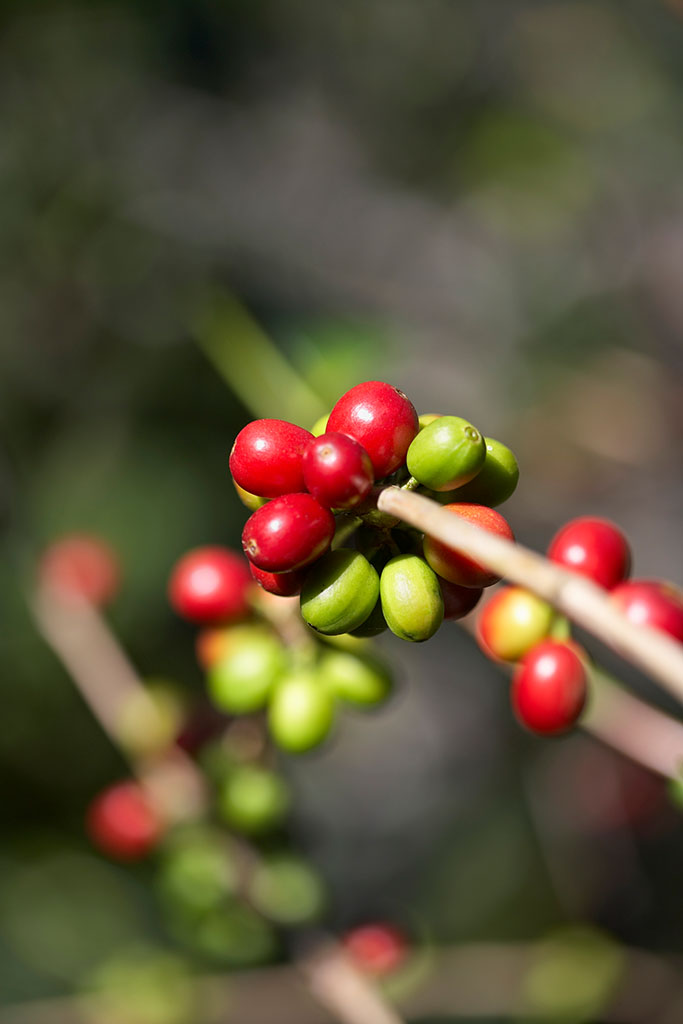
If you’re curious to try a high-elevation expression of Brazilian coffee, look for beans from the Mogiana region, which can show more complexity.
Frequently Asked Questions
What is Brazilian Santos No.2 coffee?
Brazilian Santos No.2 is the highest grade of coffee in Brazil, as the country does not classify beans as Type 1. It’s known for its aromatic profile, low acidity, smooth body, and a nutty finish. It’s a balanced, easy-drinking coffee often used in espresso blends or as a single origin.
Why doesn’t Brazil have Type 1 coffee?
Brazil uses a different grading system where “Type 2” is the top grade, rather than “Type 1” as in some other producing countries. This reflects local growing conditions and classification standards, not lower bean quality.
What does Brazilian coffee taste like?
Brazilian coffee typically tastes mild, with low acidity, light bitterness, and a clean mouthfeel. The flavor often includes nutty notes, sometimes with hints of chocolate or toast. It’s less acidic and more subdued compared to African or Indonesian coffees.
Is Brazilian coffee good for espresso?
Yes. Brazilian coffee is widely used in espresso blends because of its low acidity, natural sweetness, and creamy body. It helps create a smooth, balanced shot with good crema and complements more acidic or fruity beans.
What makes Brazilian coffee different from other origins?
Brazilian coffee differs mainly due to its growing conditions—lower altitudes, full-sun planting, and mechanized harvesting. Processing often uses the semi-washed (pulped natural) method, leading to a cup that’s less acidic, nuttier, and more body-focused than high-altitude washed coffees.
Can I drink Brazilian coffee as a single origin?
Absolutely. Brazilian Santos No.2 is commonly enjoyed as a single origin, especially as a pour-over. It’s mild, nutty, and easy to drink black. For more distinct flavors, look for beans from higher-altitude regions like Mogiana.
Recommended FrontStreet Brazilian Coffee Beans
For a high-elevation Brazilian experience, try FrontStreet Coffee’s Brazil Queen Manor, grown in the rare Mogiana highlands using Yellow Bourbon. It offers rich notes of cream, fried peanuts, toast, and nuts, with a clean, low-acid profile and long sweetness—great for pour-over, French press, or espresso machines. For espresso lovers, the Black Cocoa Blend contains a high proportion of Brazilian beans, delivering a smooth, sweet base with notes of chocolate and plum from added Yunnan Arabica. Both beans highlight Brazil’s signature nuttiness and balance. Freshly roasted within 5 days · Orders placed before 17:00 ship the same day · Next-day delivery across most of Guangdong Province.
FrontStreet Coffee is a long-established specialty coffee roaster in Guangzhou China, selling freshly roasted beans from its own farm in Yunnan as well as dozens of carefully selected single-origin beans from around the world for both pour-over and espresso. The products deliver consistently excellent quality and great value, with shipping within 24 hours. Guangzhou's FrontStreet Coffee shop is recommended by many coffee lovers, and the beans are now available online at the Tmall 。
Important Notice :
前街咖啡 FrontStreet Coffee has moved to new addredd:
FrontStreet Coffee Address: 315,Donghua East Road,GuangZhou
Tel:020 38364473