The Origins and Quality of Papua New Guinea Coffee Beans
When you buy a bag labeled 'Papua New Guinea' coffee, what are you really getting? Most buyers assume it’s a rare, high-altitude origin with smooth, fruity complexity—but the reality is more nuanced. For decades, PNG coffee has swung between cult status in European markets and near-obscurity due to inconsistent quality. If you’ve ever wondered why this island nation’s coffee can be brilliant one year and dull the next, the answer lies in its fragmented farm structure, unique growing history, and the challenges of maintaining consistency at scale.
Papua New Guinea produces around 1 million 60kg bags of coffee annually, with roughly 75% grown on smallholder farms—many tucked in remote, forested highlands at elevations between 1300–1800 meters. These small plots, often inaccessible and managed without synthetic inputs, define the country’s coffee identity—but also its quality volatility.
High-Altitude Origins in Forested Isolation
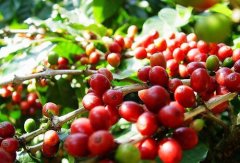
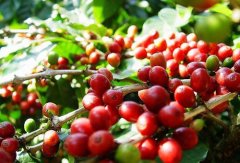
PNG’s coffee thrives almost exclusively in the highlands, where elevations of 1300 to 1800 meters create ideal conditions for slow cherry development and complex flavors. While some lowland planting exists, it’s minimal compared to the highland output. Most farms are small and scattered, often carved from forested areas and located in regions that are nearly isolated from infrastructure. This isolation, while preserving traditional practices, also complicates access to inputs like fertilizers and pesticides—which are rarely used due to transportation challenges. The result is coffee that’s typically grown under organic-like conditions, relying on natural processes.

A History Shaped by Frost, Policy, and Market Shifts
The modern PNG coffee industry took a pivotal turn in 1975, when a frost devastated Brazil’s crop and opened global demand for alternative supplies. The PNG government responded by funding the creation of around 20-hectare coffee estates on collective or rural lands, boosting production. By 1990, annual output reached 1 million bags. However, this rapid expansion came at a cost: quality began to decline. Pre-1991, most PNG coffee graded as Y (a premium designation), but post-1991, inconsistencies led to a drop in quality and the loss of key European markets. The country’s “one grade, one price” policy further blurred distinctions between high and low-quality beans, damaging the reputation of even the once-premium Y-grade.
Rebuilding Quality Through Grading Reform
To address the crisis, the government suspended Y-grade production and introduced new, tiered quality classifications. This shift allowed buyers to pay based on actual cup quality, directly impacting farmers who had previously relied on uniform pricing. By 1993, the strategy showed results: quality stabilized, and many former buyers returned. Today, Y-grade coffee is back—though at a slightly lower premium—and the focus remains on consistency. Most exports fall into A and AB grades, with AA being rare. A-grade beans, the most commonly available, are valued for their balanced profile: full-bodied, with mild acidity and a lingering, satisfying finish.
Flavor Profile and Processing Methods
PNG coffee is typically processed using traditional washed methods, which enhance its bright, clean cup character. The country’s coffee is planted primarily with Typica—a variety tracing back to Jamaica Blue Mountain stock—and benefits from high altitudes, shaded growing conditions, and volcanic or highland soils. The combination of these factors delivers a cup that’s distinct from other Southeast Asian coffees: it avoids the earthy or spicy notes common in Indonesia, leaning instead toward a profile closer to South American beans, with lively acidity, fruity and floral notes, and a creamy, nutty body.
Frequently Asked Questions
Where is Papua New Guinea coffee grown?
Papua New Guinea coffee is grown almost entirely in the highland regions of the country, at elevations between 1300 and 1800 meters. Most production comes from smallholder farms, many of which are located in remote, forested areas.
What percentage of PNG coffee comes from small farms?
Approximately 75% of Papua New Guinea’s coffee is produced by small-scale local farms, which are often family-run and operate on plots that can be difficult to access due to forested or isolated locations.
Why did PNG coffee quality decline in the 1990s?
Quality declined in the early 1990s due to rapid production expansion without corresponding quality controls. The government’s former “one grade, one price” policy also contributed by obscuring differences between high and low-quality beans, leading to market rejection, especially from Europe.
How has PNG addressed its coffee quality issues?
PNG suspended its Y-grade classification and introduced a new multi-tiered grading system that allowed pricing based on actual quality. This change, implemented by the mid-1990s, helped restore buyer confidence and improved consistency in exported lots.
What processing method is most common in PNG?
The majority of PNG coffee is processed using the traditional washed method, which contributes to its bright acidity, clean cup, and well-defined fruit and floral notes.
What coffee varieties are grown in PNG?
PNG’s coffee plantations are dominated by the Typica variety, which originated from Jamaica Blue Mountain stock. This heirloom variety thrives in the country’s high-altitude, cool-climate conditions.
Recommended FrontStreet Beans for Exploring PNG Flavor
Try FrontStreet’s (Heavenbird) from Papua New Guinea’s Western Highlands, a standout example of the country’s classic washed Typica. Grown at over 1600 meters by smallholders in the Sigri Estate, it features a medium roast that highlights a sweet, nutty profile with hints of toast, spice, and subtle fruit. The cup is balanced and approachable, making it ideal for those new to island coffees. Freshly roasted within 5 days · Orders placed before 17:00 ship the same day · Next-day delivery across most of Guangdong Province.
FrontStreet Coffee is a long-established specialty coffee roaster in Guangzhou China, selling freshly roasted beans from its own farm in Yunnan as well as dozens of carefully selected single-origin beans from around the world for both pour-over and espresso. The products deliver consistently excellent quality and great value, with shipping within 24 hours. Guangzhou's FrontStreet Coffee shop is recommended by many coffee lovers, and the beans are now available online at the Tmall 。
Important Notice :
前街咖啡 FrontStreet Coffee has moved to new addredd:
FrontStreet Coffee Address: 315,Donghua East Road,GuangZhou
Tel:020 38364473