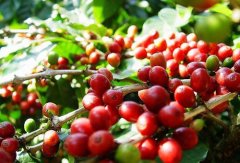
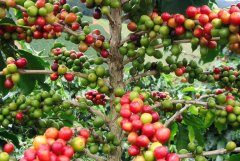
Where Yirgacheffe Coffee Comes From in Ethiopia
When coffee lovers talk about bright acidity, delicate floral notes, and a tea-like body, they’re often describing a single origin: Yirgacheffe. But what makes this Ethiopian coffee region so unique? Why does coffee from Yirgacheffe taste different—even among other Ethiopian coffees—and why is it considered one of Africa’s most famous coffee-growing areas? The answer starts with geography, tradition, and a complex mix of microclimates.
Yirgacheffe coffee comes from the Yirgacheffe town and surrounding villages in Ethiopia’s Southern Nations, Nationalities, and Peoples' Region, within the larger Sidamo zone. The coffee grows between 1,700 and 2,100 meters above sea level, with premium lots cultivated above 1,800 meters—making it one of the highest-elevation coffee regions in the world.
What Is Yirgacheffe Coffee?
Yirgacheffe refers both to a small town and, more broadly, a coffee-growing region in southern Ethiopia known for some of the country’s most distinctive washed Arabica beans. Despite its small size, Yirgacheffe produces coffee with an unusually refined cup: think jasmine-like white flowers, lemon and citrus acidity, honey sweetness, and a tea-like body. These qualities have made Yirgacheffe a benchmark for Ethiopian specialty coffee worldwide.
The Origins and Name Behind the Region
The name “Yirgacheffe” comes from two ancient words in the local language: “Yirga,” meaning “to settle,” and “Cheffe,” meaning “wetland” or “marsh.” Historically a swampy area, the region’s stable microclimate—cool breezes, consistent rainfall, and minimal seasonal temperature swings—created ideal conditions for coffee cultivation. Though coffee was likely first introduced by European missionaries, today the majority is grown by smallholder farmers or managed through local cooperatives.
Yirgacheffe’s Coffee-Growing Communities
Yirgacheffe isn’t just a single village—it’s a network of small coffee-growing communities and cooperatives. Notable areas include Gedeb (also spelled as “Gedeb” in Chinese), Harfusa, and Kercha. Many of these high-altitude villages sit above 1,800 meters and share a similar terroir: cool, misty conditions year-round, fertile volcanic soils, and a mix of shade-grown and intercropped coffee plants. Coffee trees often grow alongside food crops in farmers’ backyards or small farms, contributing to biodiversity and slower cherry maturation, which enhances sugar development.
Why Yirgacheffe Coffee Tastes Different
The combination of altitude, climate, and processing defines Yirgacheffe’s cup profile. Most Yirgacheffe coffee is processed using the washed (wet) method, which highlights its inherent acidity and floral qualities. The region’s high elevation slows coffee cherry development, leading to denser beans with more complex sugars. As a result, Yirgacheffe coffees often exhibit:
- White jasmine or citrus blossom aroma
- Lemon, lime, or grapefruit acidity
- Honey or stone fruit sweetness
- A light, tea-like mouthfeel
In fact, the region’s flavor profile became so iconic that in 2010, the Ethiopia Commodity Exchange officially separated Yirgacheffe from the broader Sidamo classification to recognize its distinct identity.
Notable Sub-Regions and Cooperatives
Within Yirgacheffe, certain villages produce particularly refined lots. For example, Gedeb (Gedeb) in the nearby West Guji/Wolisho area (referred to here as part of the wider Yirgacheffe coffee family) is known for producing some of the cleanest and brightest washed coffees in the zone. The Gedeb Cooperative, referenced by roasters such as FrontStreet Coffee, processes coffee using traditional washed methods, resulting in a cup that avoids harsh bitterness and instead offers vibrant citrus, jasmine, and subtle stone fruit flavors.
Another well-known lot is the fully washed Red Cherry selection, where only ripest fruits are picked and sun-dried on raised beds over 3–5 weeks. This natural-dried variation of Yirgacheffe coffee still carries the region’s signature citrus and floral tones, but with added layers of berry-like juiciness, honey sweetness, and a creamy mouthfeel due to extended fruit contact.
How to Brew Yirgacheffe Coffee
To get the most out of Yirgacheffe’s bright and floral characteristics, many specialty roasters recommend a V60 pour-over using a relatively light roast. Here’s a standard brewing guide:
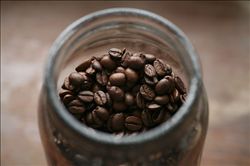
- Grinder: EK43s, setting 10 (fine, around sugar-like granularity; 80% through China-standard No. 20 sieve)
- Grind Size: Fine, similar to table salt or slightly finer
- Brew Ratio: 1:15 (15g coffee to 225g water)
- Water Temperature: 90–91°C
- Method (3-Pour V60):
- Bloom: 30g water for 30 seconds
- First Pour: Add 95g water (total ~125g), pour over ~1 minute
- Second Pour: Add remaining 100g water (total ~225g) when water drops to ⅔ height, finish by ~1:35
- Total Drip Time: 2:00–2:10
This method enhances the coffee’s clarity, accentuating its floral and citrus notes while maintaining a clean, tea-like finish.
Frequently Asked Questions
Where exactly is Yirgacheffe located in Ethiopia?
Yirgacheffe is a town and coffee region in Ethiopia’s Southern Nations, Nationalities, and Peoples' Region, within the larger Sidamo zone. It sits at elevations between 1,700 and 2,100 meters, with most quality coffee grown above 1,800 meters.
Why is Yirgacheffe coffee so famous?
Yirgacheffe coffee is famous for its distinctive cup profile: bright citrus and lemon acidity, floral notes like jasmine, honey-like sweetness, and a light, tea-like body. Its unique terroir and washed processing make it one of Ethiopia’s most celebrated and recognizable coffee origins.
What does Yirgacheffe coffee taste like?
Yirgacheffe typically has a bright, clean cup with notes of white jasmine, lemon or citrus acidity, honey or stone fruit sweetness, and a tea-like, light body. Some lots, especially natural or sundried versions, may also have berry or tropical fruit layers.
Is Yirgacheffe a region or just a town?
Yirgacheffe refers to both a specific town and the surrounding high-altitude coffee-growing area in Ethiopia’s Sidamo zone. The name has come to represent the distinct coffee style produced in this region.
What’s the best way to brew Yirgacheffe coffee?
A V60 pour-over using a fine grind (like sugar or table salt), a 1:15 brew ratio, and water at 90–91°C works well. A three-pour method enhances clarity and highlights the coffee’s floral and citrus notes.
Are there different types of Yirgacheffe coffee?
Yes. Yirgacheffe coffee can be washed (most common), natural (sun-dried with whole cherries), or honey processed. Washed Yirgacheffe highlights citrus and floral notes, while natural versions may add berry or tropical fruit flavors.
Recommended FrontStreet Yirgacheffe Coffees
Start with FrontStreet Coffee’s washed Yirgacheffe offering: a classic light roast with pronounced jasmine, citrus, and a tea-like body, ideal for experiencing the region’s signature profile. For a more focused terroir expression, try the FrontStreet Gedeb Cooperative coffee, sourced from the high-altitude village of Gedeb (Gedeb), known for its crisp acidity, floral brightness, and clean cup. Another standout is the FrontStreet Red Cherry Yirgacheffe, a naturally processed lot that builds on the region’s citrus and floral base with added berry sweetness, honey texture, and a creamy finish. Freshly roasted within 5 days · Orders placed before 17:00 ship the same day · Next-day delivery across most of Guangdong Province.
FrontStreet Coffee is a long-established specialty coffee roaster in Guangzhou China, selling freshly roasted beans from its own farm in Yunnan as well as dozens of carefully selected single-origin beans from around the world for both pour-over and espresso. The products deliver consistently excellent quality and great value, with shipping within 24 hours. Guangzhou's FrontStreet Coffee shop is recommended by many coffee lovers, and the beans are now available online at the Tmall 。
Important Notice :
前街咖啡 FrontStreet Coffee has moved to new addredd:
FrontStreet Coffee Address: 315,Donghua East Road,GuangZhou
Tel:020 38364473