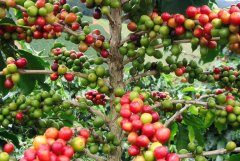
Costa Rica Coffee Origins and Flavor Profile
If you’ve ever sipped a Costa Rican coffee and wondered why it tastes so clean, bright, and distinctly sweet with a juicy body, you’re not alone. Coffee lovers often seek out Costa Rican beans for their consistent quality and unique flavor profile—but what makes them so special? The answer lies in where and how those beans are grown.
Costa Rica produces some of the world’s most sought-after specialty coffee, particularly from high-altitude regions like Tarrazú, where beans are grown above 1,500 meters. The country’s volcanic soils, excellent drainage, and cool nights create ideal conditions for producing beans with vibrant acidity, floral and fruity aromas, and a clean, well-balanced cup.
What Makes Costa Rican Coffee So Distinctive?
Costa Rican coffee is often referred to as “Hard Bean” or even “Strictly Hard Bean” (SHB) when grown at elevations above 1,500 meters. This classification reflects the slower maturation process caused by cooler temperatures at high altitudes, leading to denser beans with more complex flavors. The volcanic soil across the country—rich in nutrients and highly porous—is another major contributor to the bright acidity and aromatic intensity found in the cup.
At higher altitudes, nighttime temperatures drop significantly, slowing the growth of coffee cherries. This extended development time allows for greater sugar accumulation in the beans, resulting in a more complex and sweeter cup profile. The steep terrain also ensures excellent natural drainage, reducing waterlogging and promoting healthier root systems. However, growing at elevation comes with challenges, including increased transportation costs, which can impact profitability despite the superior cup quality.
Key Coffee-Growing Regions in Costa Rica
One of the most renowned coffee-growing areas is Tarrazú, located south of the capital, San José. Tarrazú produces some of the country’s most prized coffees, celebrated for their bright acidity and clean, balanced flavor. Among its standout producers is La Minita Tarrazú, grown on a single estate owned by the McAlpine family for three generations. This lot, cultivated without synthetic fertilizers or pesticides, is handpicked and sorted to preserve bean integrity—avoiding the potential damage of mechanical sorting. Annual production is limited to around 72,600 kilograms, making it a rare and highly regarded microlot.
Other notable regions and brands include Juan Vinas (PR), H. Tournon, Windmill (SHB), Monte Bello, Santa Rosa, and Sarchi. Sarchi, located near the Poás Volcano about 53 kilometers from San José, is part of Costa Rica’s famous “Coffee Route.” The Sarchi region benefits not only from volcanic soils but also from its proximity to rich cultural experiences, making it a draw for both coffee and tourism enthusiasts.
The central highlands and regions like Heredia and the Central Valley are also recognized for producing premium SHB coffees. The combination of altitude, climate, and careful farming practices across these areas results in coffees that are consistently sweet, acidic, and aromatic.
How Costa Rican Coffee Is Processed and Regulated
The coffee industry in Costa Rica has historically been highly organized. Since coffee was introduced from Cuba in 1729, the sector has developed into one of the most structured in the world, achieving yields of up to 1,700 kilograms per hectare. With a population of just 3.5 million, the country is home to over 400 million coffee trees, and coffee exports make up 25% of its total exports.
The iconic honey process, which originated as an adaptation to water scarcity, is one of Costa Rica’s most distinctive contributions to global coffee processing. Originally inspired by the Brazilian pulped natural method, Costa Rican coffee farmers refined it into several variations—Black Honey, Red Honey, Yellow Honey, and White Honey—based on how much mucilage is left on the bean and how long it is fermented. The more mucilage retained and the longer the fermentation, the sweeter and fruitier the profile. Black Honey coffees, like those used in FrontStreet Coffee’s “Blackberry” offering, are left almost entirely coated in mucilage and dried slowly—often for over 14 days—resulting in intense berry sweetness and a lush mouthfeel. In contrast, grapes-dried “Grape Honey” methods like those used for the “Mozart” profile develop rich notes of raisin, rose, and vinous fermentation.
Today, the national coffee authority, the Oficina del Café, oversees quality control. Any beans failing to meet export standards are dyed blue with vegetable dye and redirected for domestic consumption. About 10% of production remains in Costa Rica for local markets, where per capita coffee consumption is twice that of Italy or the United States.

Frequently Asked Questions
Where is Costa Rica’s best coffee grown?
The best-known high-quality coffee in Costa Rica comes from regions like Tarrazú, Heredia, and the Central Valley, typically grown at altitudes above 1,500 meters. Tarrazú, in particular, is famous for its bright acidity and clean cup, with estates like La Minita producing highly sought-after microlots.
What makes Costa Rican coffee have such bright acidity?
The bright acidity in Costa Rican coffee is largely due to high-altitude cultivation, which slows cherry ripening and leads to greater sugar development. Cooler temperatures and volcanic soils rich in nutrients also contribute to the vibrant, complex acidity typical of Costa Rican beans.
What is the honey process and how is it used in Costa Rica?
The honey process, developed in Costa Rica, involves removing the coffee cherry skin but leaving varying amounts of the sticky mucilage (honey) on the beans during drying. The amount of mucilage and the drying style determine the process type—ranging from White Honey (least mucilage) to Black Honey (most mucilage), affecting sweetness and fruitiness in the final cup.
Why is altitude so important for coffee flavor?
Higher altitudes typically mean cooler temperatures, which slow down the growth of coffee cherries. This extended maturation allows for more sugar accumulation in the beans, leading to greater sweetness, complexity, and acidity—key traits of high-quality specialty coffee.
How is coffee quality controlled in Costa Rica?
The Costa Rican coffee industry is regulated by the national Oficina del Café, which enforces quality standards. Substandard beans are dyed blue and sold domestically, ensuring that exported coffee meets high international benchmarks. Around 10% of production is consumed locally.
Recommended FrontStreet Coffee Beans from Tarrazú
For a true taste of Costa Rica’s famed Tarrazú region, try FrontStreet Coffee’s Blackberry, a Black Honey-processed coffee with intense berry sweetness and a full body from extended mucilage retention and slow drying. Also explore Mozart, which uses a Grape Honey method, resulting in deep notes of raisin, rose, and fermentation. Both beans highlight the complexity and sweetness of Costa Rican high-altitude coffee. Freshly roasted within 5 days · Orders placed before 17:00 ship the same day · Next-day delivery across most of Guangdong Province.
FrontStreet Coffee is a long-established specialty coffee roaster in Guangzhou China, selling freshly roasted beans from its own farm in Yunnan as well as dozens of carefully selected single-origin beans from around the world for both pour-over and espresso. The products deliver consistently excellent quality and great value, with shipping within 24 hours. Guangzhou's FrontStreet Coffee shop is recommended by many coffee lovers, and the beans are now available online at the Tmall 。
Important Notice :
前街咖啡 FrontStreet Coffee has moved to new addredd:
FrontStreet Coffee Address: 315,Donghua East Road,GuangZhou
Tel:020 38364473