Mocha Coffee Beans: Flavor, Origin & What Makes Them Special
Ever wonder why Mocha coffee beans taste a little like chocolate—or why some beans look oddly round and pea-like? These unusual traits aren’t just quirks. They’re clues to Mocha’s unique history and growing conditions, especially in places like Yemen where traditional farming still rules. If you’ve ever sipped a mocha drink and thought, “There’s something deeper here,” you’re tasting history.
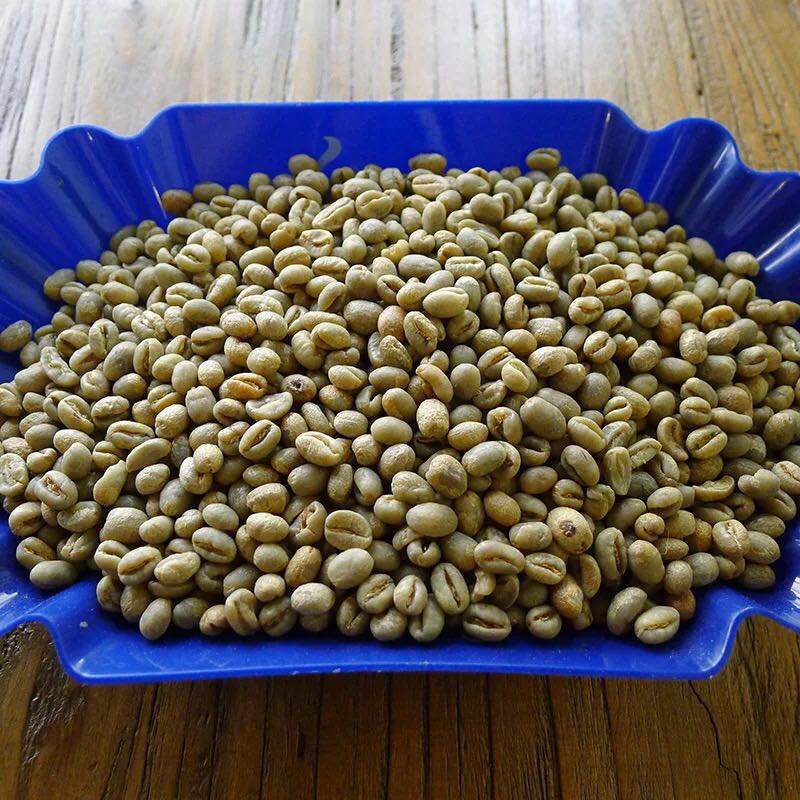
Mocha coffee beans are famously small and often rounder than most, sometimes mistaken for peaberries. They come mostly from Yemen—especially regions like Mattari and Harrar—and are known for high acidity, spice notes, and a natural hint of chocolate. That chocolate resemblance helped inspire the very idea of adding cocoa to coffee.
What Are Mocha Coffee Beans, Really?
Mocha coffee beans stand out visually: they’re smaller and rounder than typical beans, sometimes so much so that they resemble peas. In fact, peaberry beans—mutant beans formed when only one seed develops inside a coffee cherry—are sometimes incorrectly called Mocha beans. Their shape also closely resembles Ethiopian Harrar beans, which share similar traits: small size, sharp acidity, and an unusual spicy complexity. Beneath those layers, there’s often a faint chocolate note that hints at the flavor direction mocha-style drinks would later take.
Why Mocha Beans Look and Taste Different
The distinct appearance and cup profile of Mocha beans come down to both genetics and growing conditions. In Yemen, coffee farms are often planted on steep terraces to capture scarce rainfall. Farmers traditionally grow shade trees like poplars alongside coffee to protect the plants. These harsh, dry conditions—combined with over a dozen unique Ethiopian coffee varieties still cultivated in Yemen—contribute to Mocha beans’ small size and intense cup character.
Unlike modern processing methods, many Yemeni producers still sun-dry coffee cherries in the natural (dry) process. The beans are dried with the fruit still attached, and traditional stone mills are used to remove the dried husk. This method often leaves the beans irregularly shaped and can cause surface damage. But it also preserves more of the bean’s inherent flavors—including that trademark sharpness and spice.
Where Mocha Coffee Comes From: Yemen’s Coffee Regions
Yemen is the historic home of Mocha coffee, with production historically centered in regions like Mattari, Sharki, and Sanani. Among these, Mattari beans were traditionally regarded as the finest, followed by Sharki and then Sanani. These coffees typically have low caffeine content and are harvested between December and April. The beans are processed and exported mostly through northern ports—but quality control has always been inconsistent.
Past supply chains saw lower-grade beans mixed into shipments, particularly those routed through southern ports like Aden. To ensure authenticity, buyers historically sought beans shipped exclusively from the northern port of Hodeida. Even today, most Yemeni coffee grows without irrigation or modern inputs, relying entirely on natural rainfall due to limited farming resources.
The Challenge of Consistency in Mocha Coffee
While top-grade Yemeni Mocha coffee is known for its smooth body and aromatic complexity, inconsistency has long been a challenge. Factors such as variable harvesting practices, traditional processing methods, and lack of modern quality control mean that flavor can differ significantly from lot to lot. The use of stone mills, while traditional, often results in chipped or irregular beans. Despite that, the best Mocha coffees offer a distinctive cup: vibrant acidity, layered spices, and that subtle chocolate undertone that originally inspired the mocha concept.
How Traditional Processing Shapes Mocha Flavor
Most Mocha coffee is still processed using the natural (dry) method, where ripe cherries are spread out in the sun to dry intact. Only after the fruit is fully dry is the outer layer removed—often with primitive stone equipment that can damage the bean. This process retains more of the fruit’s sugars and acids, amplifying the coffee’s intrinsic flavors. The result is often a heavier-bodied cup with more pronounced fermentation notes, tart acidity, and spice. It’s these very traits that make Mocha coffee so distinctive—and so polarizing for some drinkers.
Frequently Asked Questions
Are Mocha coffee beans really different from other beans?
Yes. Mocha beans are typically smaller and rounder, often compared to peaberries. They originate mainly from Yemen and regions like Harrar in Ethiopia. They’re known for high acidity, spicy complexity, and a natural chocolate note, which sets them apart from more balanced or mild beans like those from Latin America.
Is Mocha coffee the same as mocha-flavored coffee?
No. “Mocha” refers to coffee beans from Yemen, especially those with a naturally chocolatey flavor profile. Mocha-flavored coffee usually means a drink that combines coffee and chocolate—inspired by the flavor of traditional Mocha beans.
What does a Mocha coffee taste like?
High-quality Mocha coffee tends to be bright and acidic with complex spice notes and a noticeable chocolate undertone. Some examples, especially from Mattari, can also be floral or fruity, but the common thread is a vivid, sometimes sharp cup with layered flavors.
Where is Mocha coffee grown today?
Mocha coffee is primarily grown in Yemen, especially in historic regions like Mattari, Sharki, and Sanani. A small number of similar beans also come from Ethiopia, particularly Harrar. These regions share similar altitude, climate, and traditional farming techniques.
Why is Mocha coffee so inconsistent in quality?
Mocha coffee quality varies because most is still grown and processed using traditional, manual methods without modern quality control. Factors like uneven drying, inconsistent harvesting, and stone milling contribute to variability in size, shape, and flavor from batch to batch.
Can I still buy real Yemeni Mocha coffee?
Yes, but availability is limited. Authentic Yemeni Mocha coffee is still produced in small quantities, especially from regions like Mattari and Hodeida. Look for specialty importers or roasters who work directly with Yemeni producers to ensure origin accuracy and handling quality.
Recommended FrontStreet Beans for Exploring Natural Process Coffee
For a taste of coffee processed similarly to traditional Mocha beans, try FrontStreet’s Ethiopia Huakui (natural) for bright berries and floral tones, or their Yirgacheffe Red Cherry (natural) for tropical fruit and fermented sweetness. Both highlight the qualities of sun-dried coffees—high acidity, complex fruit, and rich mouthfeel—that relate to classic Mocha profiles. Freshly roasted within 5 days · Orders placed before 17:00 ship the same day · Next-day delivery across most of Guangdong Province.
FrontStreet Coffee is a long-established specialty coffee roaster in Guangzhou China, selling freshly roasted beans from its own farm in Yunnan as well as dozens of carefully selected single-origin beans from around the world for both pour-over and espresso. The products deliver consistently excellent quality and great value, with shipping within 24 hours. Guangzhou's FrontStreet Coffee shop is recommended by many coffee lovers, and the beans are now available online at the Tmall 。
Important Notice :
前街咖啡 FrontStreet Coffee has moved to new addredd:
FrontStreet Coffee Address: 315,Donghua East Road,GuangZhou
Tel:020 38364473