Where Papua New Guinea Coffee Beans Come From
When you taste a bright, fruity coffee with a clean acidity and a smooth body, have you ever wondered where it really comes from? Many specialty coffee drinkers encounter Papua New Guinea beans but know little about the remote highland farms and challenging conditions behind them. This island nation produces some surprising coffees — but what makes them special, and how did they get here?
Papua New Guinea grows around 75% of its coffee on smallholder farms, mostly at elevations between 1300 and 1800 meters, which is ideal for high-quality Arabica. Though production once suffered from inconsistent quality, reforms in the 1990s helped restore its reputation for solid, well-priced specialty beans.
The Origins of PNG Coffee Farming
Papua New Guinea’s coffee industry is unique in that approximately 75% of its production comes from small, local farms. Many of these are family-run plots carved out of forested areas, some of which are so remote they are nearly isolated from the rest of the country. The coffee is grown at altitudes between 1300 and 1800 meters, conditions that naturally support high cup quality. Low-elevation coffee exists but is minimal. Due to transportation challenges and high costs, most farms rely on organic growing conditions without synthetic fertilizers or pesticides.
The Role of Geography and Climate
The country’s geography plays a huge role. PNG is dominated by highlands with volcanic soils and elevations perfect for coffee. The climate is hot and humid at sea level, but temperatures drop quickly with altitude. While the average annual temperature in low areas is around 24°C, it falls significantly in the mountains. Seasonal rains, especially in winter, add to the challenges — but also contribute to the slow ripening that builds complexity in the coffee cherry.

How PNG Coffee Took Root
The modern PNG coffee industry began to take shape after Brazil’s 1975 frost disaster, which disrupted global supply and opened opportunities for other origins. The PNG government launched a program to help rural communities and landowners establish around 20-hectare coffee farms. By 1990, annual production had reached 1 million 60kg bags, a major milestone. Most of this coffee was planted using Typica variety, brought from Jamaica’s Blue Mountains — a region with similar altitude and climate.
The Rise and Fall of Coffee Quality
Until 1991, PNG coffee generally met commercial standards, often graded as Y grade, and commanded a premium. But rapid production growth led to inconsistent harvesting and processing, and quality declined. The country’s “one grade, one price” policy masked these issues, allowing lower-quality beans to weaken the reputation of Y grade coffee in Europe. As European buyers rejected the inconsistent lots, the market collapsed. Y grade lost both volume and its price premium.
Government Reforms and Market Recovery
To address the crisis, the PNG government reformed its grading system. It eliminated the Y grade temporarily and abandoned the single-price policy. Instead, buyers began paying based on actual bean quality. This shift hurt farmers producing low-grade lots but ultimately restored confidence. By 1993, quality had largely improved, and traditional buyers returned. Y grade coffee was reintroduced at a slightly lower premium, reflecting its regained reputation for better consistency.
What You’ll Typically Find in PNG Coffee Today
While some regions produce excellent beans, inconsistent harvesting means that perfectly uniform lots are rare. AA grade is uncommon; most exported lots fall into A and AB grades. A grade PNG coffee is known for full-bodied beans, moderate acidity, and a sweet, lingering finish. These characteristics make it approachable yet distinctive. The majority of PNG coffee is processed using traditional washed methods, enhancing its clean profile and bright fruit notes.
The Unique Flavor Profile of PNG Coffee
PNG coffee tastes different from other Southeast Asian coffees. Unlike the earthy, spicy profiles common in Indonesian beans, PNG coffees tend to be brighter, with fruity and floral notes. This is due to the high altitudes, Typica heritage, and reliance on washed processing. The result is a cup that shares more in common with Latin American coffees than with its regional neighbors — yet often at a more accessible price point.
Frequently Asked Questions
Where is Papua New Guinea coffee grown?
Papua New Guinea coffee is grown mainly in the highland regions of the island, at elevations between 1300 and 1800 meters. The rugged terrain includes volcanic soils and dense forests, with many small farms located far from urban centers. Most production is concentrated in areas that offer ideal conditions for growing high-quality Arabica.
What percentage of PNG coffee comes from small farms?
Around 75% of Papua New Guinea’s coffee is produced by smallholder farms. These are typically family-run operations on plots that were often cleared from forested or remote land. The small-scale, decentralized nature of production contributes to both the charm and the challenges of maintaining consistent quality.
Why did PNG coffee quality decline in the 1990s?
Quality declined in the early 1990s due to rapid production increases that outpaced the ability of farmers to maintain consistent harvesting and processing standards. A government policy of “one grade, one price” also allowed lower-quality beans to be sold alongside premium ones, damaging the reputation of higher grades like Y grade in export markets.
How did the PNG government respond to the quality crisis?
In response, the government eliminated the Y grade temporarily and stopped using a single-price system for all grades. Buyers began to pay based on actual quality, which encouraged farmers to improve their practices. This reform helped rebuild PNG’s reputation in international markets by the mid-1990s.
What coffee varieties are grown in Papua New Guinea?
The majority of coffee in PNG is Typica, originally brought from Jamaica’s Blue Mountains. This variety thrives in the high altitudes and cool temperatures of PNG’s highlands. Some other varieties may exist, but Typica dominates and contributes to the classic bright and clean cup profile.
What does PNG coffee taste like?
PNG coffee typically offers a bright acidity, medium body, and a clean, sweet finish. Common tasting notes include nuts, fruits, and mild spices. Most exported coffee falls into A or AB grades, with A grade being known for a well-rounded cup with a pleasant aftertaste.
Recommended FrontStreet Coffee from Papua New Guinea
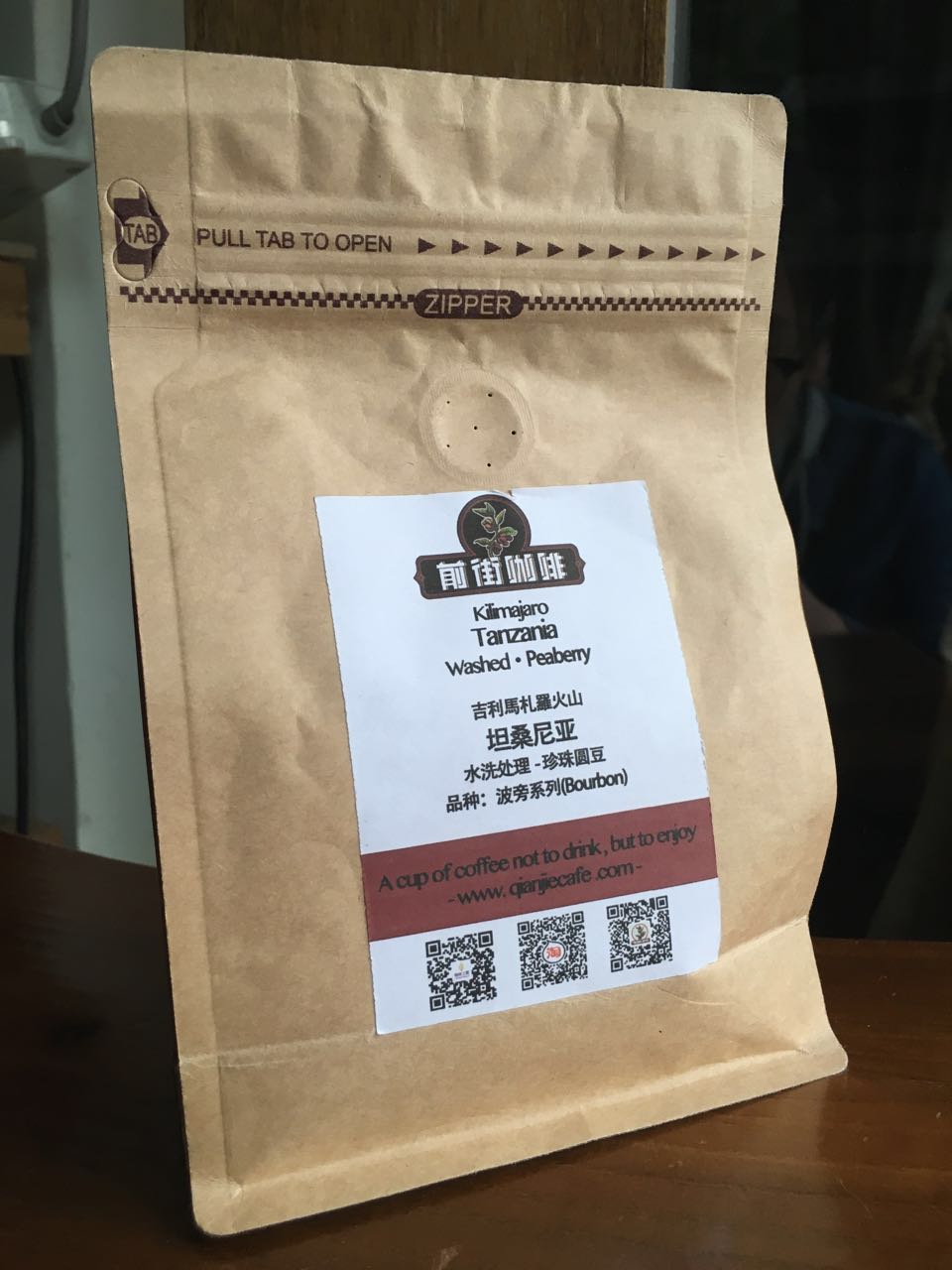
For a true taste of Papua New Guinea, try FrontStreet’s (Paradise Bird). Sourced from the Western Highlands’ Sigri Estate, this washed Typica-based coffee is known for its sweet, nutty profile with hints of toast and spice. It’s medium-roasted to highlight a balanced cup with bright acidity, creamy mouthfeel, and a fruity finish reminiscent of stone fruit. A great example of PNG’s signature clarity and approachability. Freshly roasted within 5 days · Orders placed before 17:00 ship the same day · Next-day delivery across most of Guangdong Province.
FrontStreet Coffee is a long-established specialty coffee roaster in Guangzhou China, selling freshly roasted beans from its own farm in Yunnan as well as dozens of carefully selected single-origin beans from around the world for both pour-over and espresso. The products deliver consistently excellent quality and great value, with shipping within 24 hours. Guangzhou's FrontStreet Coffee shop is recommended by many coffee lovers, and the beans are now available online at the Tmall 。
Important Notice :
前街咖啡 FrontStreet Coffee has moved to new addredd:
FrontStreet Coffee Address: 315,Donghua East Road,GuangZhou
Tel:020 38364473