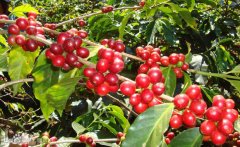
How Ethiopian Washed Yirgacheffe Coffee Is Processed and Graded
When you buy Ethiopian washed coffee, have you ever wondered why some bags cost triple others, or why your last batch had wildly inconsistent flavors? The answer lies in how Ethiopian coffee is graded, processed, and sourced—factors that deeply affect cup quality, roast behavior, and flavor stability. This guide breaks down everything from bean grading standards to why your Yirgacheffe might taste like citrus one month and dull the next.
Ethiopian washed coffee is graded on a five-tier scale, with Grade 1 being the highest: just 0–3 defects per 300g of green beans. Grade 2 allows 4–12 defects—this is the most commonly exported washed grade. Lower grades (3 to 5) apply to natural/dry-processed beans, where Grade 4 often gets downgraded to Grade 5 for tax reasons, despite better actual quality.
How Ethiopian Coffee Is Officially Graded
The Ethiopian Commodity Exchange (ECX) grades all exported coffee. For washed (wet-processed) beans, Grade 1 means 0–3 defects per 300g, while Grade 2 permits 4–12. Grade 1 washed beans are extremely rare and rarely exported. Most international buyers receive Grade 2 washed beans. For natural process (dry-processed) beans, grades range from Grade 3 down to Grade 5—with Grade 4 often having fewer defects than Grade 5 but sometimes being downgraded to reduce taxes. In practice, Grade 5 beans are usually of noticeably lower quality.
What Makes Ethiopian Coffee Look So Different?
Ethiopian coffee beans are famously irregular in shape and size. Most are small, elongated “longberry” beans, but they’re often mixed with smaller, rounder “shortberry” beans. This mix leads to an uneven appearance. In lower commercial grades (Grade 4 and 5), beans come from hundreds of small farms and different varieties across multiple regions, compounding inconsistency. These beans often roast unevenly—a challenge for roasters aiming for consistency.
The Mystery of Ethiopian Coffee Varieties
No one, not even Ethiopian agricultural institutions, knows exactly how many coffee varieties grow in Ethiopia. Varieties differ not just between regions, but even between farms on the same mountain. Estimates range from 2,000 to over 4,500 unique genotypes. Unlike the bold, large beans of Kenya’s SL28 or the plump Typica found across Central and South America, Ethiopian beans tend to look smaller and less developed. Yet looks can be deceiving: Ethiopian coffees are celebrated for their intense citrus, floral, and fruity aromas—often showing bright orange, lemon, or jasmine notes right at the start of brew. Flavors typically include strong floral and fruit notes with high acidity and sweetness, though body and mouthfeel tend to be lighter. The major downside? They are far more prone to uneven roasting, especially naturals. Even top-grade Grade 3 Harrar naturals often show mottled, uneven bean color after drying—an issue that doesn’t necessarily hurt flavor but is a common complaint among roasters.
Washed vs Natural Yirgacheffe: What’s the Difference?
Washed (wet-processed) Yirgacheffe coffee is far more stable in flavor from lot to lot than natural-processed beans. Natural Ethiopians vary dramatically year to year, and buyers are advised to cup multiple samples before committing to larger orders. When you do get a good natural, the depth and complexity can surpass washed versions—but poorly processed naturals can be disappointing. Washed Yirgacheffe offers a more predictable, cleaner cup with vibrant acidity, citrus, and floral tones, making it a reliable choice for everyday specialty offerings.
Yirgacheffe: The Birthplace of Iconic Flavor
Yirgacheffe is a small town in Ethiopia’s Southern Nations, Nationalities, and Peoples' Region, located within the Sidamo zone at elevations between 1,700–2,100 meters. Most coffee grows above 1,800m. The region was once part of Sidamo until 2010, when its distinct cup profile—especially its signature white flower and lemony acidity—earned it separate classification. Yirgacheffe beans are typically small and uniform in quality compared to other Ethiopian regions, especially when processed using the washed method. This is why “Yirgacheffe” has become almost synonymous with high-quality Ethiopian washed coffee worldwide.
How to Brew Ethiopian Washed Coffee
For the classic Yirgacheffe experience, try a V60 pour-over. Use a fine, sugar-like grind (around EK43 setting 10, 80% through a China-standard No. 20 sieve), aim for a 1:15 brew ratio, and brew at 90–91°C. Start with a 30g bloom for 30 seconds, then pour in 95g water (reaching ~125g), followed by 100g more by 1:35. Your total brew time should finish around 2:10. This method highlights Yirgacheffe’s signature citrus, floral, and tea-like qualities. For a fruit-forward alternative, try a fully ripe natural processed Yirgacheffe with extended fermentation and sun-drying—just be prepared for a more intense, sweeter, and funkier cup.

Frequently Asked Questions
What are the coffee grades for Ethiopian washed beans?
Ethiopian washed coffee is graded from Grade 1 to Grade 5. Grade 1 allows 0–3 defects per 300g and Grade 2 allows 4–12. Grade 1 beans are very rare and seldom exported. Most exported washed Ethiopian coffee is Grade 2.
Why are Ethiopian coffee beans so irregular in size and shape?
Ethiopian beans often include a mix of long, thin “longberry” beans and smaller, round “shortberry” beans. In lower grades (Grade 4 and 5), beans come from many different regions and farms, leading to noticeable inconsistencies in size, shape, and roast behavior.
How many coffee varieties exist in Ethiopia?
No one knows exactly, but estimates range from 2,000 to over 4,500 unique varieties. Even neighboring farms may grow completely different types, contributing to the wide range of flavors and processing results.
What’s the difference between washed and natural Ethiopian coffee?
Washed (wet-processed) Ethiopian coffee has cleaner, more consistent flavors and is easier to roast evenly. Natural (dry-processed) Ethiopian coffee can have wild fruitiness and higher sweetness but varies more in quality and is harder to roast uniformly.
Which Ethiopian region is known for the most consistent washed coffee?
Yirgacheffe, located in the Sidamo zone at 1,700–2,100m altitude, is famed for its stable, high-quality washed coffee with bright citrus, floral, and tea-like notes. It became its own classification in 2010 due to its distinctive cup profile.
How should I brew Yirgacheffe coffee for the best results?
For washed Yirgacheffe, use a V60 with a 1:15 ratio, 90–91°C water, and a fine grind (EK43 setting 10, 80% through a No. 20 sieve). Bloom with 30g water for 30s, then pour to 125g, then 225g total, finishing around 2:10 for bright acidity and floral notes.
Recommended FrontStreet Yirgacheffe Coffee Beans
Start your Yirgacheffe journey with FrontStreet Coffee’s washed Yirgacheffe offering, known for its bright white jasmine, citrus, and lemon acidity with a smooth tea-like body—perfect for exploring classic Ethiopian profiles. For a more terroir-driven option, try the FrontStreet Gedeb Cooperative washed lot, which delivers intense citrus and floral notes with exceptional clarity. If you prefer a fruit-forward, juicy cup, the FrontStreet Red Cherry Yirgacheffe is fully sun-dried on the pulp, offering berry sweetness, honey-like body, and tropical depth. All three showcase Ethiopia’s signature vibrancy. Freshly roasted within 5 days · Orders placed before 17:00 ship the same day · Next-day delivery across most of Guangdong Province.
FrontStreet Coffee is a long-established specialty coffee roaster in Guangzhou China, selling freshly roasted beans from its own farm in Yunnan as well as dozens of carefully selected single-origin beans from around the world for both pour-over and espresso. The products deliver consistently excellent quality and great value, with shipping within 24 hours. Guangzhou's FrontStreet Coffee shop is recommended by many coffee lovers, and the beans are now available online at the Tmall 。
Important Notice :
前街咖啡 FrontStreet Coffee has moved to new addredd:
FrontStreet Coffee Address: 315,Donghua East Road,GuangZhou
Tel:020 38364473