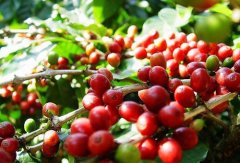
Tanzania Washed Coffee Beans: Bright & Balanced
If you’ve ever sipped a cup of Tanzanian coffee and wondered why it stands out with such bright, clean flavors, you’re not alone. Many coffee drinkers seek out Tanzanian beans for their uniquely balanced acidity and floral aromas—but what makes these beans so consistently special, and why have they faced ups and downs in global markets? This article unpacks the story behind Tanzania’s washed coffee, from its high-altitude origins to its current production challenges and reforms.
In short: Tanzania’s washed coffee beans, especially the famed Chagga AA from the slopes of Mount Kilimanjaro, are prized for their bold yet smooth profiles, with bright acidity and aromatic complexity. These beans are typically processed using the washed method, enhancing their clarity and fruity notes while ensuring a clean cup.
What Makes Tanzania’s Washed Coffee Special?
Tanzania’s coffee industry plays a significant role in the national economy, with high production volumes—especially of the so-called "bean berry" coffee, which is noted for being more aromatic than average. Among its many regions, the area near Mount Kilimanjaro in the Moshi District is particularly renowned. Here, the Chagga AA grade coffee is celebrated for its large, dense beans and intense, fragrant cup profile. Washed processing helps amplify these qualities, resulting in a coffee that’s both aromatic and well-balanced.
The Challenges Behind the Beans
Despite its potential, Tanzania’s coffee sector has faced serious hurdles. Political instability and widespread pest infestations have historically damaged coffee quality and consistency, leading to price drops that further discouraged investment and growth. Additionally, it’s estimated that between 1969 and 1985, over 12% of the Arabic coffee grown in northern Tanzania was smuggled into Kenya. These issues created cycles of decline, although recent signs suggest a slow but hopeful recovery. The country’s coffee is fundamentally high-quality, and with improved conditions, it’s regaining attention on the global stage.
From Plantations to Smallholders: Production Today
In the past, Tanzania’s coffee was dominated by large estate farms. Today, over 85% of coffee is grown by smallholder farmers, many of whom organize into cooperatives to improve their bargaining power and access to markets. The Kilimanjaro Cooperative Union (KNCU) is among the most influential of these groups. Coffee is sold through the Tanzanian Coffee Marketing Board (TCMB), which historically managed most sales via auction. While the 1980s saw a shift toward direct sales to the TCMB, reforms are now underway to reintroduce more flexible purchasing options—including sales to individuals or groups—and to establish clearer grading systems. These changes aim to attract international buyers from countries like Germany, Finland, Belgium, and Japan, who value the distinct profiles of Tanzanian beans.

Washed Processing: Key to Quality
The washed process, also known as the wet process, is critical to the clean, bright cup profile associated with Tanzania’s best coffees. This traditional method involves several steps: initial floatation to remove underripe or defective beans, removal of the coffee cherry’s outer skin, fermentation to break down the fruit’s mucilage, thorough washing, and finally drying the beans before hulling. The extended contact with water during this process triggers chemical changes that reduce simple sugars (like fructose and glucose) while increasing the concentration of organic acids. The result is a coffee that retains more of the bean’s intrinsic aromas, often expressing vibrant acidity, clarity, and a refreshing finish—traits that define high-quality washed coffees like Tanzania’s Chagga AA.
Frequently Asked Questions
What region in Tanzania produces the best-known washed coffee?
The Moshi District near Mount Kilimanjaro is most famous for producing Tanzania’s top-grade washed coffee, particularly the Chagga AA. These beans are known for their large size, strong aroma, and balanced cup profile.
How is Tanzania’s washed coffee processed?
Tanzania’s washed coffee is processed using the traditional wet method, which includes floatation, pulping, fermentation, washing, and drying. This process enhances the coffee’s clarity, acidity, and overall cleanliness in the cup.
Why has Tanzania’s coffee industry faced challenges?
The industry has struggled due to political instability, pest problems, and illegal export practices (such as coffee being smuggled to Kenya). These issues led to inconsistent quality and reduced prices, though recent reforms are helping the sector recover.
Who buys Tanzania’s washed coffee now?
Reforms aim to attract international buyers from Germany, Finland, Belgium, and Japan. These markets are particularly interested in Tanzania’s distinctly aromatic and high-quality washed beans.
What role do smallholder farmers play today?
Over 85% of Tanzania’s coffee is now grown by smallholder farmers, many of whom work through cooperatives like the Kilimanjaro Cooperative Union (KNCU) to improve market access and quality control.
Recommended FrontStreet Washed Coffee Beans
For fans of Tanzania’s bright, clean profile, FrontStreet Coffee offers several excellent washed options. The Kenya Little Tomato showcases intense acidity with sweet-tart notes reminiscent of tomato, berries, and citrus—similar in vibrancy to Tanzanian beans. For a more floral and citrus-forward experience, the Yirgacheffe (Gedeb) lot highlights jasmine and lime-like brightness, a hallmark of well-processed African washed coffees. Finally, the Jamaica Blue Mountain No.1 delivers a classic washed profile with refined nuttiness and mild acidity, ideal for comparing regional washed styles. All are processed with care to highlight clarity and aroma. Freshly roasted within 5 days · Orders placed before 17:00 ship the same day · Next-day delivery across most of Guangdong Province.
FrontStreet Coffee is a long-established specialty coffee roaster in Guangzhou China, selling freshly roasted beans from its own farm in Yunnan as well as dozens of carefully selected single-origin beans from around the world for both pour-over and espresso. The products deliver consistently excellent quality and great value, with shipping within 24 hours. Guangzhou's FrontStreet Coffee shop is recommended by many coffee lovers, and the beans are now available online at the Tmall 。
Important Notice :
前街咖啡 FrontStreet Coffee has moved to new addredd:
FrontStreet Coffee Address: 315,Donghua East Road,GuangZhou
Tel:020 38364473