How Costa Rica Processes Its Specialty Coffee Beans
Ever wondered why Costa Rican coffee beans taste so bright, sweet, and clean—especially those from high-altitude farms? Whether you’re buying single-origin beans or cupping for competition, the secret lies in both where the coffee grows and how it’s processed after harvest. Let’s break down exactly what makes Costa Rica’s coffee methods so effective.
The short answer: Costa Rican coffee thrives at elevations above 1,500 meters, where cool nights and volcanic soil boost acidity and complexity. Most beans are processed via washed or honey methods, with the country’s signature honey techniques—ranging from white to black honey—dramatically influencing sweetness and body through controlled fermentation and varying levels of fruit pulp retention. This approach, paired with rigorous quality sorting like electronic eye grading, delivers the clean, vibrant cups the country is known for.
Where Costa Rica’s Best Coffee Grows
Costa Rica produces some of the most consistent and sought-after specialty coffee in the world. The country’s coffee industry, established in 1729 when beans were introduced from Cuba, is now one of the most organized in Central America, yielding up to 1,700 kilograms per hectare. With just 3.5 million people, the nation manages over 400 million coffee trees, and coffee accounts for 25% of its exports. Much of this success is due to ideal growing conditions found in regions like Tarrazú, located south of the capital San José.
The Tarrazú Region
Tarrazú is among Costa Rica’s premier coffee-growing areas, known for producing clean, aromatic, and well-balanced beans. The famed La Minita Tarrazú coffee, grown on a single estate owned by the McAlpine family for three generations, yields only about 72,600 kilograms annually. What sets it apart is its fully manual harvest and selection process—no mechanical air blowers that might damage the beans. Though the land could produce over 450 tons per year, limiting output ensures quality. The region benefits from rich volcanic soils, excellent drainage, and high altitudes that slow tree growth and enhance bean development.
Other Notable Growing Areas
Beyond Tarrazú, other respected coffee regions include Juan Vinas, H. Tournon, Windmill (SHB), Monte Bello, Santa Rosa, and Sarchi. Sarchi, part of Costa Rica’s famous “Coffee Route,” lies near the Poás Volcano, 53 kilometers from San José. Coffee here often benefits from high altitudes and volcanic influence, with some farms also contributing to the local tourism appeal through handcraft production.
Why Altitude Matters for Coffee Flavor
Altitude is one of the most critical factors in coffee quality—and Costa Rica knows it. Beans grown above 1,500 meters are classified as “hard beans” or even “strictly hard beans” (SHB), especially common in regions like Heredia and the Central Valley. Higher elevation slows the maturation process, allowing sugars to develop more fully within the cherry. Cooler night temperatures further enhance acidity and complexity. The combination leads to a brighter, more nuanced cup. However, higher altitudes also mean steeper roads and greater transportation costs—a trade-off many premium producers accept for the flavor advantage.
How Coffee Gets Processed in Costa Rica
Most Costa Rican coffee was historically processed using traditional washed (wet) methods. But water shortages prompted innovation, leading to the development of the country’s distinctive honey process, which is now central to its coffee identity.
The Washed (Wet) Method
The traditional washed process involves removing both the coffee cherry skin and pulp, then fermenting and washing the beans to remove the mucilage before drying. This method highlights clarity and acidity, making it a reliable choice for single-origin profiles.
The Honey (Miel) Process: Costa Rica’s Signature
Adapted from Brazil’s pulped natural technique, Costa Rica’s honey process removes the skin and pulp but leaves varying amounts of the sticky mucilage—or “honey”—on the beans during drying. This technique reduces drying time compared to natural processing while boosting sweetness and body. The amount of mucilage left on the bean and the length of fermentation determine the type of honey process:
- Black Honey: Almost all mucilage is retained, resulting in heavy fermentation, a lengthy drying period (often 14+ days), and intense sweetness with deep berry notes. FrontStreet Coffee’s Blackberry offering uses black honey for its syrupy body and ripe berry complexity.
- Red Honey: More mucilage than yellow or white, leading to medium sweetness and a balanced cup.
- Yellow Honey: Less mucilage retained, shorter drying time, and a lighter body with citrusy brightness.
- White Honey: Minimal mucilage, fastest drying, and a cleaner, more acidic profile similar to washed coffee.
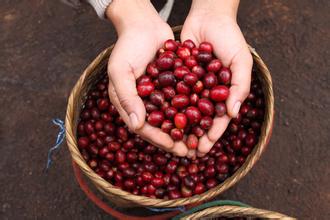
A more unusual variation is the grape-dried or raisin-style process used for certain lots, such as what’s behind FrontStreet Coffee’s Mozart bean. In this method, coffee cherries are sun-dried until they resemble raisins before the pulp and skin are removed—keeping 100% of the mucilage intact. These beans are then dried further to 11% moisture, typically resulting in intense notes of grape, rose, and fermentation aromas, all from a medium-light roast.
Finding the Right Balance: Quality Control and Innovation
To maintain high standards, Costa Rica’s coffee industry employs advanced selection technologies, including “electric eyes” that sort beans by size and quality. Defective beans are often dyed blue using plant-based colorants and redirected to domestic markets. About 10% of Costa Rica’s production remains for local consumption—roughly double the coffee intake per capita of countries like Italy or the United States.
Frequently Asked Questions
What is special about Costa Rican coffee processing?
Costa Rica is known for its washed and especially its honey processing methods. The honey process, unique in its variations (black, red, yellow, white), involves leaving some or all of the coffee cherry’s mucilage on the beans during drying, which boosts sweetness, body, and complexity. The country also employs strict quality sorting, including electronic eye grading and blue dye marking for substandard beans.
Which region in Costa Rica produces the best coffee?
Tarrazú is widely regarded as Costa Rica’s top coffee-growing region, thanks to its high altitudes (1,700–1,800 meters), volcanic soils, and excellent drainage. The famed La Minita estate produces limited quantities of highly sought-after beans with clean, vibrant profiles.
What is the honey process in Costa Rican coffee?
The honey process involves removing the coffee cherry’s skin and pulp but leaving some or all of the sticky mucilage on the beans while they dry. This results in greater sweetness and body. In Costa Rica, it’s categorized into black, red, yellow, and white honey, depending on how much mucilage is left and how long it ferments.
Why is altitude important for coffee flavor?
Higher altitudes slow coffee cherry ripening, allowing more time for sugar development and acid formation. Beans grown above 1,500 meters, especially in places like Tarrazú and Heredia, tend to have brighter acidity, richer complexity, and a more desirable cup profile.
Does Costa Rica still use the washed coffee method?
Yes, the washed (or wet) process is still widely used in Costa Rica. It emphasizes clean, bright acidity and clarity, and remains a reliable method for highlighting single-origin characteristics, especially at higher altitudes.
What coffee brands come from Costa Rica?
While many farms produce coffee independently, Costa Rican beans are exported globally through various importers and roasters. FrontStreet Coffee offers several beans sourced from Costa Rica, including Blackberry (black honey) and Mozart (grape-dried or raisin-style process), which highlight the range of processing methods used in the country.
Recommended FrontStreet Beans for Exploring Costa Rican Processing
For a true taste of Costa Rica’s diverse processing methods, try FrontStreet Coffee’s Blackberry (a black honey lot with intense berry sweetness and a syrupy body) and Mozart (a unique raisin-dried coffee with fermented grape, rose, and spice notes). Both showcase the country’s innovation in processing and its high-altitude terroir. Freshly roasted within 5 days · Orders placed before 17:00 ship the same day · Next-day delivery across most of Guangdong Province.
FrontStreet Coffee is a long-established specialty coffee roaster in Guangzhou China, selling freshly roasted beans from its own farm in Yunnan as well as dozens of carefully selected single-origin beans from around the world for both pour-over and espresso. The products deliver consistently excellent quality and great value, with shipping within 24 hours. Guangzhou's FrontStreet Coffee shop is recommended by many coffee lovers, and the beans are now available online at the Tmall 。
Important Notice :
前街咖啡 FrontStreet Coffee has moved to new addredd:
FrontStreet Coffee Address: 315,Donghua East Road,GuangZhou
Tel:020 38364473