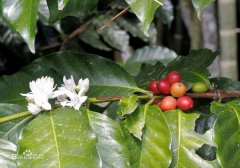
Mocha Peaberry Honey Process from Colombia’s Hope Estate
When you see a tiny, round coffee bean labeled 'Mocha peaberry', you might wonder if it’s just a marketing term—or something truly different. Most peaberries form accidentally when a coffee cherry produces a single rounded seed instead of two flat ones, but with Mocha (or Mussolia), the story runs deeper. This rare Ethiopian-origin variety, once cultivated in Yemen, has traveled through Brazil, Hawaii, and now Colombia, adapting along the way. What makes the Mocha peaberry from Granja La Esperanza stand out isn’t just its shape, but its full genetic backstory and the meticulous honey processing it undergoes.
The Mocha peaberry you’re looking for comes from Colombia’s Granja La Esperanza estate, specifically processed as honey. This estate has won top awards at both Best of Panama and SCAA Coffee of the Year, and holds a unique GFA Good Food Award win outside Ethiopia, Kenya, and Panama. Its unique bean shape and honey process deliver a rare sensory profile in the specialty market.
What Is Mocha, Really?
Mocha—also spelled Mussolia—is a variety traced back to Ethiopia or Yemen. It was later introduced to Brazil, Hawaii, Guatemala, and eventually Colombia. Unlike typical peaberries that just form by chance, the Mocha variety is naturally small and round—but it’s not a peaberry by default. In Hawaii, researchers crossed it with Typica to create a taller plant better suited to the island’s climate, yet it retained its signature small, rounded bean shape. In Colombia and Guatemala, Mocha beans may descend from either Brazilian or Hawaiian lines, resulting in either shorter or taller plants—but the classic small, round form usually remains.
About Granja La Esperanza and Its Awards
Granja La Esperanza is not just any farm. It owns four estates in Colombia: Esperanza, Las Margaritas, Cerro Azul, and Potosi. The estate group made coffee history by winning Best of Panama in 2008 (Champion) and 2009 (Runner-Up). Then in 2012, three of its coffees swept spots #2, #3, and #7 in the SCAA Coffee of the Year top ten—an unprecedented feat. More recently, it earned a Good Food Award (GFA), one of the few non-Ethiopian, non-Kenyan, and non-Panamanian farms to do so.
What Is Honey Process?
Honey process is a method that falls between washed and natural. Originally inspired by Costa Rica’s adaptations of the Brazilian pulped natural (or ‘half-washed’) technique, honey processing involves removing the coffee cherry skin but leaving varying amounts of the sticky mucilage (fruit pulp) on the beans during drying. This results in sweeter, fruitier profiles and often more complex cups. There are multiple levels of honey process, categorized by how much mucilage is left and how long and in what conditions the beans are dried:
- Black honey: nearly all mucilage retained, slow-dried under shade, intense sweetness and fermentation notes.
- Red honey: medium mucilage, longer drying time, balanced sweetness and body.
- Yellow honey: less mucilage, faster drying, brighter acidity.
- White honey: minimal mucilage, fastest drying, clean and light profile.
At Granja La Esperanza, the exact honey process level applied to the Mocha peaberry is not specified in the source, but the technique generally enhances the inherent sweetness and complexity of the variety.
Why This Bean Stands Out
This particular Mocha peaberry from Granja La Esperanza is not your average small round bean. It combines rare genetic lineage, a unique growing origin in Colombia, and a honey process that elevates its cup profile. While most peaberries in the market are incidental, Mocha peaberries are tied to a specific cultivar with a traceable heritage stretching back to East Africa. The honey process further amplifies its intrinsic qualities, likely resulting in a cup with pronounced sweetness, fruity undertones, and a silky mouthfeel. For coffee professionals and enthusiasts hunting rare varieties, this bean is a field report from the edges of varietal development and processing innovation.
Frequently Asked Questions

What is a Mocha peaberry coffee bean?
A Mocha peaberry is a naturally occurring round coffee seed from the Mocha (or Mussolia) variety, originally from Ethiopia or Yemen. Unlike regular peaberries that form when one seed fails to split, Mocha beans are often small and round by nature. The term 'peaberry' here refers to the bean shape, and in this case, it comes from a specific heirloom variety with a distinctive genetic background.
Where is the Mocha peaberry in this article from?
The Mocha peaberry featured is from Granja La Esperanza, a renowned coffee estate in Colombia that owns multiple farms including Esperanza, Las Margaritas, Cerro Azul, and Potosi. It is processed using a honey method and has a notable competition and award-winning lineage.
What is honey processed coffee?
Honey process is a coffee processing method where the skin is removed but some or all of the fruit mucilage is left on the bean during drying. This results in a sweeter, often fruitier cup profile. Levels include black, red, yellow, and white honey, depending on how much mucilage is retained and drying conditions.
Has Granja La Esperanza won major coffee awards?
Yes. Granja La Esperanza won Best of Panama in 2008 and 2009, and in 2012, three of its coffees took positions #2, #3, and #7 in the SCAA Coffee of the Year top ten. It also received a Good Food Award (GFA), one of the few non-Ethiopian, Kenyan, or Panamanian farms to achieve this.
Why is the Mocha variety significant?
The Mocha variety has historical roots in Ethiopia and Yemen and was brought to other coffee-growing regions like Brazil and Hawaii. It is known for its small, round beans and distinctive cup characteristics. In Colombia, it remains a rare find and offers a genetic and flavor link to some of coffee’s earliest cultivated forms.
What does a peaberry do to a coffee’s flavor?
Peaberries often roast more evenly due to their round shape and sometimes develop more intense sweetness or distinct flavor profiles. However, in the case of Mocha peaberries, the variety itself plays a larger role in flavor than the peaberry shape alone, especially when combined with honey processing.
Recommended FrontStreet Beans with Honey Process Notes
For fans of honey-processed coffees with unique profiles, try FrontStreet Blackberry Coffee, which uses a rare black honey process for intense floral aromas and bold berry flavors. FrontStreet Strawberry Candy Espresso blends Geisha brightness with grape and blueberry notes from grapefruit honey-processed beans. Also consider FrontStreet Mozart, a creative take with 100% fruit retention that highlights tropical fruit and candy-like sweetness. Freshly roasted within 5 days · Orders placed before 17:00 ship the same day · Next-day delivery across most of Guangdong Province.
FrontStreet Coffee is a long-established specialty coffee roaster in Guangzhou China, selling freshly roasted beans from its own farm in Yunnan as well as dozens of carefully selected single-origin beans from around the world for both pour-over and espresso. The products deliver consistently excellent quality and great value, with shipping within 24 hours. Guangzhou's FrontStreet Coffee shop is recommended by many coffee lovers, and the beans are now available online at the Tmall 。
Important Notice :
前街咖啡 FrontStreet Coffee has moved to new addredd:
FrontStreet Coffee Address: 315,Donghua East Road,GuangZhou
Tel:020 38364473