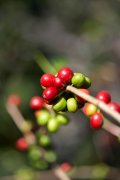
Ethiopian Natural Process Heirloom Coffee from Guji
If you’ve ever wondered what makes Ethiopian natural process coffees so distinctly fragrant—with bright florals, juicy fruits, and sticky sweetness—this coffee from the Guji highlands delivers exactly that profile, with clarity and balance. But what exactly defines this bean, and why does it taste the way it does? Here’s everything you need to know.
This is a single-origin Ethiopian coffee, Grade G1, grown at 1800–2000 meters above sea level in the Guji region. It’s a natural (sun-dried) processed coffee made from local Heirloom varieties, with a bright cup featuring jasmine, honey, citrus, and ripe berries. Processed at the Hira Cooperative, the beans are sorted to 17–18 mesh size.
Where This Coffee Comes From
This coffee originates from the Guji zone in southern Ethiopia, a region that borders Kenya and sits at elevations between 1800 and 2000 meters. Though historically grouped under Sidamo, Guji has emerged as its own distinct coffee-growing area, celebrated for high-altitude terroir and diverse microclimates. The volcanic red soil, combined with annual rainfall between 1100–1200 cm, creates ideal conditions for growing complex, aromatic coffees. The region’s elevation, climate, and rich soils contribute directly to the wine-like acidity and intense fruitiness typical of high-quality Guji coffees.
Natural Processing in Guji
The coffee is processed using the natural (dry) method at the Hira Cooperative. In this method, ripe cherries are carefully handpicked and then spread on raised beds to dry in the sun without removing the pulp. This slow drying process—often taking several weeks—allows the coffee bean to absorb sugars and flavors from the fruit, resulting in the hallmark sweet, floral, and fruity profiles. Proper sorting and regular turning during drying are essential to maintain quality. Guji’s dry climate and high elevation help slow the drying and develop complexity without over-fermentation.
What Makes Heirloom Varieties Unique
The coffee is grown from Ethiopia’s native Heirloom varieties—landrace cultivars unique to the region that have evolved over centuries in isolation. Unlike single, named cultivars such as Typica or Geisha, Heirloom refers collectively to the diverse, uncategorized genetic pool found in Ethiopia, the birthplace of Arabica coffee. These varieties often express intense floral, fruity, and citrus characteristics, especially when grown at high altitudes and processed with care. Their genetic diversity is one reason Ethiopian coffees can vary so widely from lot to lot, even within the same region.
Flavor Profile Breakdown
Expect a bright and complex cup: leading notes of jasmine and honey open the experience, followed by vibrant citrus and layers of ripe berry. There’s a natural sweetness throughout, with a clean, fruity finish. This flavor balance is typical of well-executed natural process Ethiopians, particularly those grown at high altitudes with extended fermentation during drying. The 17–18 mesh bean size ensures even roasting and optimal extraction for filter or espresso brewing.
Frequently Asked Questions
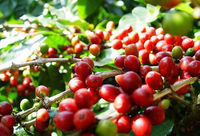
What is special about Guji region coffee?
Guji coffee is known for its high elevation (1800–2200m), volcanic red soils, and diverse microclimates. These factors produce coffees with bright acidity, intense floral and fruit notes, and a clean, sweet finish. Guji was once part of Sidamo but is now recognized as a distinct origin due to its unique cup profile.
What does natural process mean in Ethiopian coffee?
Natural process means the coffee cherries are dried whole with the fruit still attached to the bean. This method enhances sweetness and body, often resulting in more pronounced floral, fruity, and berry flavors. It requires careful drying to avoid over-fermentation or mold.
What are Heirloom coffee varieties?
Heirloom varieties are the traditional, uncategorized Ethiopian coffee plants that have evolved naturally over centuries. They are not bred or standardized like modern cultivars, resulting in diverse and complex flavor profiles, especially in high-altitude regions like Guji and Yirgacheffe.
Why does altitude matter for coffee flavor?
Higher altitude slows coffee cherry ripening, allowing more time to develop sugars and acids. This usually leads to brighter acidity, more complex flavors, and a sweeter cup. Guji’s 1800–2000m elevation contributes directly to the winey and fruity characteristics in its coffees.
How should I brew this natural Ethiopian coffee?
This coffee shines in both filter and espresso. For pour-over, try a medium-fine grind (around 18–20 on a Baratza Encore), 2:1 brew ratio, 93°C water, and a bloom of 30–45 seconds. For espresso, a slightly finer grind and 1:2.5 ratio will highlight its fruit and floral tones.
Recommended FrontStreet Beans for Natural Ethiopian Fans
Try FrontStreet Coffee’s Ethiopia Huakui for a classic example of Ethiopian natural process coffee—expect notes of strawberry, bergamot, and honey with a juicy body. For something brighter and more citrus-forward, their Yirgacheffe (Gedeb) offers white flowers, lemon, and green tea brightness, perfect for pour-over. Both showcase the diversity of Ethiopian Heirloom beans. Freshly roasted within 5 days · Orders placed before 17:00 ship the same day · Next-day delivery across most of Guangdong Province.
FrontStreet Coffee is a long-established specialty coffee roaster in Guangzhou China, selling freshly roasted beans from its own farm in Yunnan as well as dozens of carefully selected single-origin beans from around the world for both pour-over and espresso. The products deliver consistently excellent quality and great value, with shipping within 24 hours. Guangzhou's FrontStreet Coffee shop is recommended by many coffee lovers, and the beans are now available online at the Tmall 。
Important Notice :
前街咖啡 FrontStreet Coffee has moved to new addredd:
FrontStreet Coffee Address: 315,Donghua East Road,GuangZhou
Tel:020 38364473