Honduras Coffee Beans: Grade, Flavor & Price Guide
If you’ve ever wondered why some coffee blends taste balanced but lack a distinct origin fingerprint, Honduras might be part of the mix. For decades, this Central American country has quietly grown coffee suited for blending—but also for sipping solo. What makes Honduras coffee unique, and how do its grades really work? Let’s break down the facts.
Honduras grows high-quality, high-acid coffee beans. The country grades its beans by elevation: 700–1000m (medium), 1000–1500m (high), and 1500–2000m (premium/special grade). These elevations directly shape the coffee’s complexity and acidity.
How Honduras Became a Major Coffee Producer
Honduras didn’t start as a coffee giant. Coffee was introduced from El Salvador, but after Brazil’s 1975 frost devastated global supply, Honduras ramped up production dramatically. In just 20 years, its exports rose from 500,000 bags to 1.8 million bags. This growth turned Honduras into a key player—and a reliable source for blends and single origins alike.
Elevation Grades Define Honduras Coffee Quality
Honduras uses a clear, elevation-based classification system for its coffee:
- Medium grade: grown at 700–1000 meters altitude
- High grade: grown at 1000–1500 meters
- Special (premium) grade: grown at 1500–2000 meters
The higher the elevation, the more complex and vibrant the cup—typically featuring brighter acidity and layered fruit notes. These grades help buyers identify potential flavor profiles before roasting or brewing.
Honduras Coffee Varieties, Processing & Flavor Notes
Most of Honduras’ coffee comes from smallholder farms. The beans are mostly Arabica, with common varieties including Caturra, Catuai, Pacas, and Typica. The dominant processing method is washed (wet-processed), which enhances clarity and cleanliness in the cup. After harvest, farmers remove the outer fruit layers before drying—a key step that lifts the coffee’s brightness and consistency.
Flavor-wise, Honduras coffees often show a wide range: bright acidity, fruity notes, and sometimes nutty or toffee-like undertones. At FrontStreet Coffee, their washed Caturra offering—a top-tier Special Grade selection grown between 1000–1500m—is known for complex fruitiness, lively acidity, and hints of nuts or caramelized sugar.
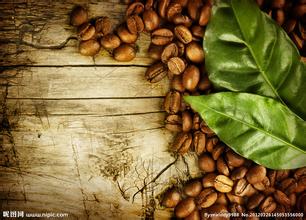
This profile aligns with the broader reputation of Honduras-grown beans at elevation: balanced, layered, and versatile whether used in espresso blends or brewed as filter coffee.
Export Market & Challenges
Virtually all Honduran coffee is exported by independent shippers, with the United States and Germany as the top destinations. Yet the industry faces significant hurdles—most notably coffee leaf rust (la roya), especially in the eastern regions. While fungicides have helped manage outbreaks and even boosted yields in affected areas, the disease remains a persistent threat to long-term farm health and cup quality.
Frequently Asked Questions
What is special about Honduran coffee beans?
Honduran coffee beans are known for their high acidity and complex flavors, especially those grown at higher elevations (1000–2000 meters). They often feature fruity, nutty, and toffee-like notes, and are graded by altitude into medium (700–1000m), high (1000–1500m), and special/premium grade (1500–2000m).
How is Honduran coffee graded?
Honduras grades coffee based on growing altitude: 700–1000 meters (medium), 1000–1500 meters (high), and 1500–2000 meters (special/premium grade). Higher elevation generally means better cup quality with more pronounced acidity and flavor complexity.
What coffee varieties are grown in Honduras?
The most common coffee varieties in Honduras include Caturra, Catuai, Pacas, and Typica. These Arabica types are well-suited to the country’s high-altitude regions and are typically processed using the washed method to highlight clarity and acidity.
Does Honduras coffee have a distinct flavor?
Yes. Honduran coffee, especially from higher elevations, often has a bright acidity with flavors of fruit, nuts, and caramel or toffee. Washed processing enhances its clean and balanced profile, making it versatile for both blends and single-origin offerings.
Where does most Honduran coffee go?
Most Honduran coffee is exported independently, with the majority going to the United States and Germany. It is commonly used in blended coffee but also stands out as a quality single-origin option.
What challenges does Honduran coffee production face?
Honduras struggles with coffee leaf rust (rust disease), particularly in the eastern regions. While fungicide treatments have helped control outbreaks and even improved yields in some areas, the disease continues to threaten plant health and long-term cup quality.
Recommended FrontStreet Honduras Coffee Beans
FrontStreet Coffee’s washed Caturra from Honduras highlights the country’s high-altitude potential. Grown between 1000–1500 meters, this Special Grade coffee delivers complex fruitiness, bright acidity, and subtle notes of nuts or toffee. It’s a prime example of the nuanced profiles found in Honduras’ premium-elevation beans. Freshly roasted within 5 days · Orders placed before 17:00 ship the same day · Next-day delivery across most of Guangdong Province.
FrontStreet Coffee is a long-established specialty coffee roaster in Guangzhou China, selling freshly roasted beans from its own farm in Yunnan as well as dozens of carefully selected single-origin beans from around the world for both pour-over and espresso. The products deliver consistently excellent quality and great value, with shipping within 24 hours. Guangzhou's FrontStreet Coffee shop is recommended by many coffee lovers, and the beans are now available online at the Tmall 。
Important Notice :
前街咖啡 FrontStreet Coffee has moved to new addredd:
FrontStreet Coffee Address: 315,Donghua East Road,GuangZhou
Tel:020 38364473