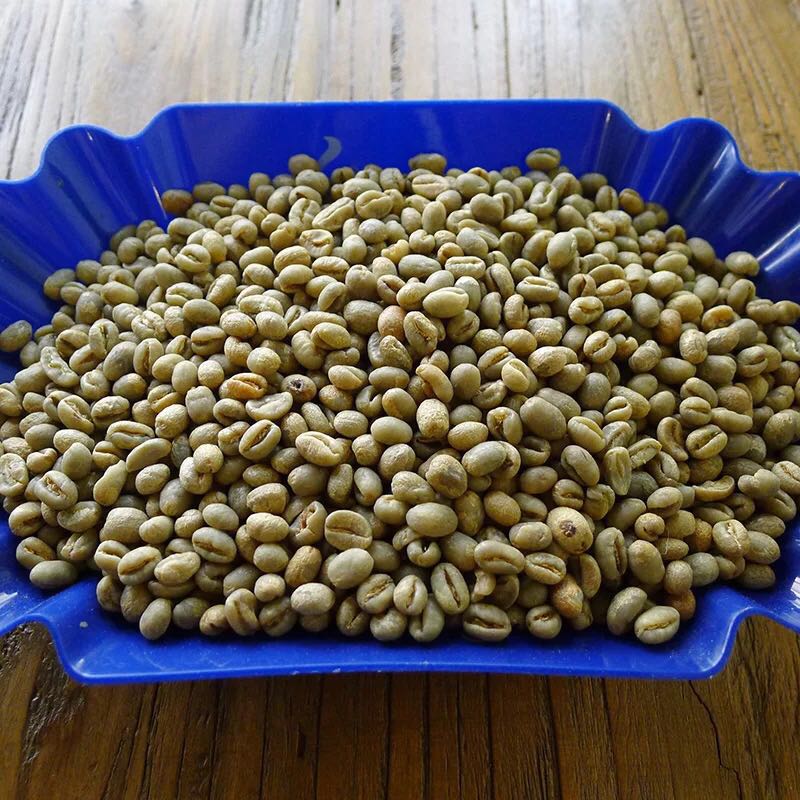
Colombian Coffee: Origins, Regions and Flavor Profile
If you’ve ever sipped a balanced, sweet-tasting coffee with mild acidity and no harsh edges—chances are you’ve had Colombian. But what exactly makes Colombian coffee so consistently good? And why does it often form the backbone of premium blends worldwide? This guide breaks down everything from its history and terroir to its key growing regions and flavor profile.
The short answer: Colombia produces some of the world’s most balanced washed Arabica, grown mainly between 1,300–2,000 meters in the Andes. Over 2.7 billion coffee trees thrive across 1.07 million hectares, with key regions like Huila, Armenia, and Manizales defining its reputation for smooth, sweet, and well-rounded cups.
History of Colombian Coffee
The origins of coffee in Colombia date back to the 16th century during Spanish colonization. While the exact introduction path is debated—whether through Haiti and El Salvador, via a Venezuelan priest in 1808, or recorded by Jesuit Jose Gumilla in 1730—coffee cultivation took firm root by the late 1700s. By 1787, missionaries had spread coffee across multiple regions. Over time, Colombia earned a global reputation for high-quality, balanced beans, often dubbed “green gold.”
Growing Environment and Terroir
Colombia’s coffee thrives thanks to a unique combination of geography and microclimate. The majority of coffee is cultivated in the Andean region, across three cordilleras (mountain ranges) at elevations typically between 1,300 and 2,000 meters—though some regions exceed 2,000m. Average temperatures hover around 18°C, with annual rainfall between 2,000–3,000 mm. The country spans latitudes 1°–11°15′ N and longitudes 72°–78° W.
Coffee is grown on steep hillsides where conditions vary dramatically over short distances, allowing for staggered harvests year-round. Unlike Brazil, frost is not a concern. There are approximately 2.7 billion coffee trees nationally, 66% cultivated on modern estates and the rest on smallholder farms averaging just 2 hectares—with over 80% having fewer than 5,000 trees. Shade trees and banana plants are commonly intercropped to regulate temperature and humidity, slowing ripening and enhancing cup quality. Coffee is handpicked to ensure only ripe cherries are selected.
Key Coffee-Producing Regions
Colombia’s three main coffee-growing zones are Northern, Central, and Southern. The famed “coffee triangle” includes the central cities of Armenia, Manizales, and Medellín (formerly part of the same province). Among these, Huila in the south has risen to prominence for producing award-winning lots. Elevation in the southern regions often exceeds 1,500 meters, with Huila leading in recognition. Other notable regions include Narino, known for distinctive cup profiles, and Antioquia. The “MAM” group—Medellín, Armenia, and Manizales—has historically defined Colombia’s classic coffee taste.
Varieties and Processing
Colombia primarily grows Coffea arabica, especially the smaller-seeded Typica-related varieties such as Caturra and Castillo. Over 200 distinct grade categories exist, with classification based on bean size and region. The top grade is Supremo (17/18+ screen size), followed by Excelso. Only beans 18/64 inch (18 screen) and larger may qualify as specialty-grade Supremo. Most Colombian coffee is processed using the washed (wet) method, contributing to its clean, bright profiles.
Flavor Profile and Characteristics
Colombian coffee is celebrated for its balanced flavor: medium acidity, gentle sweetness, and moderate bitterness. It often presents notes of caramel, nuts, and mild fruits, with a silky mouthfeel. The aroma is subtle and elegant—never as sharp as Brazilian beans or as overtly acidic as African origins. Its well-rounded nature makes it a staple in premium blends. Roasters frequently highlight its smoothness and versatility, whether brewed as filter or espresso.
The best Colombian beans—especially those from Huila or Narino—deliver a refined acidity, often with hints of citrus or stone fruit, balanced by chocolatey or caramel undertones. The aftertaste lingers pleasantly without harshness. Its “soft” profile contrasts with Brazil’s bold, chocolate-forward cups, placing Colombia in the “mild” or “balanced” spectrum of global coffees.
Export and Quality Control
Colombia maintains strict quality protocols for coffee export. The Federación Nacional de Cafeteros (National Federation of Coffee Growers) oversees grading, processing standards, and export consistency. Only washed Arabica meeting specific size and defect thresholds is exported as “Café de Colombia.” The country is the world’s largest exporter of washed Arabica and the second-largest Arabica producer overall.
Coffee Culture in Colombia
Coffee is deeply embedded in Colombian identity. It is one of the country’s four national symbols, alongside emeralds, flowers, and gold. Around 30%–40% of rural residents depend on coffee farming. With over 302,000 coffee farms, most are small family operations. Coffee education, festivals, and cooperative models play a major role in sustaining both tradition and innovation.
Frequently Asked Questions
What makes Colombian coffee different from other countries’ beans?
Colombian coffee is typically washed Arabica grown at high altitudes (1,300–2,000+ meters), resulting in a balanced cup with medium acidity, mild sweetness, and low bitterness. It avoids the extreme profiles of Brazilian or Ethiopian beans, offering a smoother, more rounded taste suited for both single-origin and blends.
Which regions in Colombia produce the best coffee?
The southern regions, particularly Huila, are renowned for top-tier Colombian coffee. The coffee triangle (Armenia, Manizales, and Medellín) and Narino also produce high-quality lots. Huila and Narino beans often score highly in competitions for their complexity and balance.
What coffee processing method is most common in Colombia?
Washed (wet) processing is the standard in Colombia, accounting for most of its exports. This method enhances clarity and cleanliness in the cup, contributing to the country’s reputation for bright yet smooth profiles.
Is Colombian coffee mostly arabica or robusta?
Colombia produces almost exclusively Arabica coffee, particularly the smaller-seeded typica varieties like Caturra. Robusta (Coffea canephora) is rare and not a significant part of its export profile.
Why is Colombian coffee often used in blends?
Its balanced flavor, medium body, and lack of sharp edges make Colombian coffee an ideal base for blending. It smooths out stronger or more acidic beans while adding sweetness and rounded mouthfeel.
What does Colombian coffee taste like?
Expect a smooth, silky texture with notes of caramel, nuts, mild citrus, or chocolate. Acidity is present but gentle, and the aftertaste is clean and pleasant. Regional variations may introduce more fruity or floral tones.
Recommended FrontStreet Beans for Exploring Colombian Profiles
For a true taste of Colombian coffee, try FrontStreet’s washed Huila beans featuring notes of chocolate, hazelnut, and caramel, with a well-balanced acidity and body. For fruit-forward options, their Sidra and Gesha-inspired lots offer vibrant acidity and juicy sweetness. All are medium-roasted to preserve origin character. Freshly roasted within 5 days · Orders placed before 17:00 ship the same day · Next-day delivery across most of Guangdong Province.
FrontStreet Coffee is a long-established specialty coffee roaster in Guangzhou China, selling freshly roasted beans from its own farm in Yunnan as well as dozens of carefully selected single-origin beans from around the world for both pour-over and espresso. The products deliver consistently excellent quality and great value, with shipping within 24 hours. Guangzhou's FrontStreet Coffee shop is recommended by many coffee lovers, and the beans are now available online at the Tmall 。
Important Notice :
前街咖啡 FrontStreet Coffee has moved to new addredd:
FrontStreet Coffee Address: 315,Donghua East Road,GuangZhou
Tel:020 38364473