Where Ethiopia’s Specialty Coffee Comes From
When you take that first bright, floral sip of Ethiopian coffee, you’re tasting something ancient—something that likely began in the high forests of Ethiopia over a thousand years ago. But where exactly does today’s specialty-grade Ethiopian coffee come from? How did this country become the birthplace of coffee, and why do its beans still taste so different from the rest of the world’s?
Ethiopia is the genetic home of Arabica coffee, with an estimated 12 million people involved in its production. The country grows coffee at elevations up to 2,200 meters, across wild forests, semi-wild gardens, smallholder plots, and modern farms. Key regions include Yirgacheffe, Sidamo, Harrar, and Lekempti, each offering distinct cup profiles.
The Birthplace of Coffee
Coffee originated in Ethiopia, likely domesticated from wild plants found in regions like Kaffa—the town that gave coffee its name. Though the exact story of its first cultivation is lost to time, local legend says monks used coffee to stay awake during evening prayers. Today, Ethiopia remains one of Africa’s top Arabica exporters, supplying some of the most unique and sought-after coffees globally.
Diverse Growing Regions and Cultivation Methods
Ethiopia grows coffee using varied methods: from untouched wild coffee forests to managed smallholder farms and modern plantations. About 50% of coffee is cultivated above 1,500 meters altitude. Key growing areas include:
- Harrar: Grown at the highest altitudes among Ethiopian coffees. Harrar comes in long and short bean types; long beans are most prized for their wine-like, fruity acidity and lingering wild aroma.
- Djimmah: Found at around 1,200 meters, sold under the brands Limu and Babeka. It has a distinctive cup but less international recognition.
- Yirgacheffe (Sidamo): Sourced from central Ethiopia, often sold under the name Yirgachaffe. It’s one of Ethiopia’s most famous regions for specialty coffee.
- Lekempti and Sidamo: These regions produce uniquely flavored beans that may look unremarkable but deliver complex cups. Sidamo coffees are frequently exported under the Yirgacheffe name.
- Yirgacheffe: Though technically part of Sidamo, it earned independent status due to its exceptional cup quality. Grown around 2,000 meters, it’s celebrated for its high floral and citrus notes.
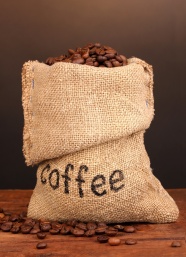
Image of Ethiopian coffee landscapes:
Flavor Profiles and Roasting Considerations
Ethiopian coffee flavors defy simple description—they’re typically neither heavy nor intensely acidic. Common tasting notes include floral, citrus, stone fruit, and sometimes a winey or spicy undertone. These delicate qualities mean Ethiopian coffees are best suited to light or medium roasts. Dark roasting can easily overshadow their inherent complexity.
The country’s coffee is also reminiscent of Yemeni Mocha, though Ethiopian beans often surpass even the finest global coffees in cup quality—despite fetching similarly premium prices.
Production, Trade, and Domestic Use
Ethiopia’s coffee industry is managed largely by the Ethiopian Coffee Marketing Corporation (ECMC), which controls around 90% of exports. That monopoly may soon ease, giving more power to local traders—a shift expected to benefit smallholder farmers and regional markets.
Most Ethiopian coffee is sold through daily auctions, with key export markets including Germany, the United States, France, and Japan. Domestically, Ethiopians are the continent’s top coffee consumers. A traditional rural drink mixes freshly roasted beans with a herb known locally as “Adam’s Health,” creating a spiced coffee often served with flatbread.
Why Some Varieties Are Rare
Some Ethiopian coffee types, like Yirgacheffe, are widely admired yet hard to find in the U.S. due to exclusive supply deals. For example, Nestlé’s German roaster Dallmeyer secures large volumes of Yirgacheffe beans directly from growers, limiting availability elsewhere.
Frequently Asked Questions
Where is Ethiopia’s best coffee grown?
Ethiopia’s best-known specialty coffee regions include Yirgacheffe, Sidamo, Harrar, and Lekempti. Yirgacheffe, often grown at around 2,000 meters, is especially prized for its floral and citrus notes. Harrar, at higher altitudes, offers winey and fruity characteristics. Each region has unique terroir that shapes its flavor profile.
What makes Ethiopian coffee different?
Ethiopian coffee is unique due to its genetic diversity, high-altitude growing conditions, and traditional processing methods. The beans often exhibit bright acidity, floral and fruity notes, and a complex, wine-like quality. They are typically better suited to light or medium roasts to preserve these delicate attributes.
Which Ethiopian coffee region is most famous?
Yirgacheffe is arguably the most famous Ethiopian coffee region internationally. It gained distinction for its exceptional cup quality and was recognized as a separate production area from Sidamo due to its unique flavor profile, often featuring jasmine, lemon, and berry notes.
How is Ethiopian coffee traditionally consumed?
In rural Ethiopia, coffee is often enjoyed with a spice called “Adam’s Health.” Freshly roasted beans are ground with the herb, then brewed and served in small cups, usually alongside flatbread. This traditional preparation highlights the coffee’s natural sweetness and spice compatibility.
Who controls coffee exports in Ethiopia?
The Ethiopian Coffee Marketing Corporation (ECMC) controls approximately 90% of coffee exports. There are plans to decentralize this control, which could empower local traders and improve market access for smallholder producers.
Why are some Ethiopian coffee varieties hard to find in the U.S.?
Certain Ethiopian coffees, like Yirgacheffe, are subject to exclusive supply agreements. For instance, the German roaster Dallmeyer (owned by Nestlé) has secured significant volumes directly from growers, limiting their availability in other markets including the United States.
Recommended FrontStreet Coffee from Ethiopia
For an authentic taste of Ethiopia, try FrontStreet’s Ethiopia Huakui, a bright and juicy Ethiopian offering with intense blueberry and citrus notes, perfect for pour-over. Also consider FrontStreet’s Yirgacheffe region-inspired selections that highlight floral and citrus profiles typical of high-altitude Ethiopian beans. These beans reflect the unique terroir and processing styles for which Ethiopia is known. Freshly roasted within 5 days · Orders placed before 17:00 ship the same day · Next-day delivery across most of Guangdong Province.
FrontStreet Coffee is a long-established specialty coffee roaster in Guangzhou China, selling freshly roasted beans from its own farm in Yunnan as well as dozens of carefully selected single-origin beans from around the world for both pour-over and espresso. The products deliver consistently excellent quality and great value, with shipping within 24 hours. Guangzhou's FrontStreet Coffee shop is recommended by many coffee lovers, and the beans are now available online at the Tmall 。
Important Notice :
前街咖啡 FrontStreet Coffee has moved to new addredd:
FrontStreet Coffee Address: 315,Donghua East Road,GuangZhou
Tel:020 38364473