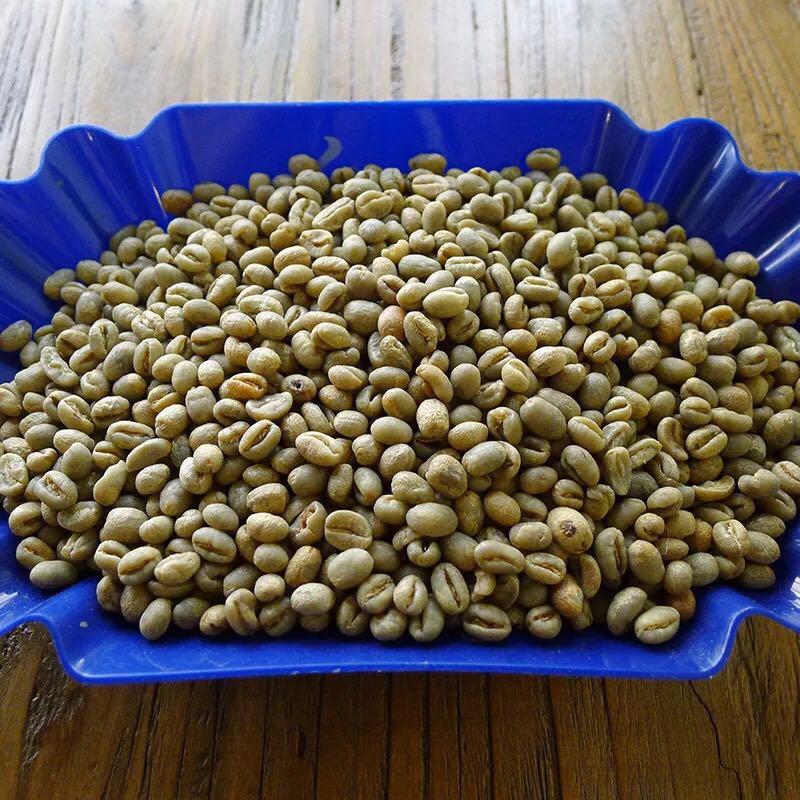
Kopi Luwak: How Cat Poop Coffee Is Made and Priced
If you’ve ever wondered why anyone would pay hundreds of dollars for coffee that comes from an animal’s feces, you’re not alone. Kopi Luwak — also known as civet or cat poop coffee — is one of the most controversial and expensive coffees in the world. Harvested from the droppings of the Asian palm civet, this coffee has a legendary backstory, a sky-high price tag, and a flavor profile that sparks fierce debate among coffee experts. But what really makes it so special — or so questionable?
Kopi Luwak typically sells for $100 to $600 per pound, with some rare batches reaching even higher. Its price comes from the labor-intensive collection process, the limited supply of wild civet-produced beans, and the controversial methods used in farming. The majority of Kopi Luwak on the market is not wild-harvested but produced through caged, force-fed civets — a practice widely condemned for animal welfare violations.
What Is Kopi Luwak?
Kopi Luwak, or civet coffee, originates from Indonesia and is made from coffee beans that have been eaten and excreted by the Asian palm civet (locally called luwak). The civet selects ripe coffee cherries, digests the fruit pulp, and passes the intact coffee beans in its feces. These beans are then collected, cleaned, roasted, and brewed. The digestive process is said to reduce bitterness and develop a unique flavor profile.
How Civet Digestion Changes Coffee
When a civet eats coffee cherries, its stomach acids and enzymes partially ferment the beans. This breaks down proteins responsible for bitterness and produces more free amino acids, resulting in a smoother, less acidic cup. According to coffee expert Chris Rubin, the brew can taste syrupy, rich, and chocolatey, with a heavy body and long-lasting aftertaste. However, critics like Tim Carman of the Washington Post describe commercial Kopi Luwak as tasting flat, lifeless, and similar to low-quality supermarket blends.
The History and Commercialization of Kopi Luwak
Kopi Luwak dates back to the 18th century, when Dutch colonists in Java and Sumatra prohibited locals from harvesting coffee. Locals noticed that civets ate coffee cherries and later excreted the beans undigested. Realizing these beans produced a distinct brew, they began collecting the droppings. Originally a rare, wild product, the commercialization of Kopi Luwak led to mass caging and force-feeding of civets, drastically altering both ethics and quality.
Kopi Luwak Production Methods
There are two main ways Kopi Luwak is produced today:
- Wild Harvesting: Involves collecting civet droppings from forests where civets naturally forage. Only ripe, preferred coffee cherries are eaten, and beans are naturally fermented in the civet’s gut. This method is rare, labor-intensive, and yields very small quantities.
- Farmed/Caged Production: Civets are captured and kept in small, filthy cages, often force-fed a diet of only coffee cherries. This method dominates the market but results in poor animal welfare, lower-quality beans, and widespread fraud. Industry reports estimate over 85% of Kopi Luwak sold is fake or industrially produced.
Criticism and Controversy
Beyond ethical concerns, Kopi Luwak faces criticism for quality. The Specialty Coffee Association of America (SCAA) has stated that professionally scored Kopi Luwak often ranks lower than other specialty coffees, citing muted acidity and generic flavor. Many commercially available “Kopi Luwak” products are misleadingly labeled, with ordinary beans marketed as civet-processed. Additionally, the trend has inspired imitations such as elephant dung coffee, squirrel coffee, and bird poop coffee — all raising further ethical red flags.
Flavor Profile of Kopi Luwak
When sourced ethically and naturally (from wild civets), Kopi Luwak is described as having a full body, low acidity, and a smooth, syrupy mouthfeel. Notes often include dark chocolate, earthiness, and subtle sweetness. However, farmed versions frequently lack complexity and depth, tasting dull or overly processed.
Where Does Kopi Luwak Come From?
Kopi Luwak originates in Indonesia, particularly on the islands of Sumatra, Java, Bali, and Sulawesi. The term "luwak" refers to the Asian palm civet in Indonesian. In some regions, it’s called "Kopi Musang," with "musang" being the local name for the civet. While civets exist across South and Southeast Asia, only those in Indonesia are traditionally associated with Kopi Luwak production. Wild civets tend to select the ripest, highest-quality coffee cherries, contributing to the coffee’s unique traits.
How Is Kopi Luwak Processed?
The steps to produce Kopi Luwak are as follows:
- Collection: Coffee cherries are eaten by civets. The beans pass through the civet’s digestive tract and are excreted in feces.
- Sorting: Droppings are collected from the wild or cages, then hand-sorted to extract the beans.
- Cleaning: The beans are thoroughly washed to remove any contamination.
- Drying: Beans are dried to safe moisture levels for storage and roasting.
- Roasting: Like regular coffee beans, they are roasted to light, medium, or dark profiles.
- Brewing: The roasted beans are ground and brewed using standard methods (e.g., pour-over, French press, espresso).
Why Is Kopi Luwak So Expensive?
Kopi Luwak commands high prices due to several factors:
- The rarity of wild-collected beans
- Labor-intensive collection from forest floors
- The unusual and controversial production method
- Marketing hype and luxury branding
- The majority being fake or mass-farmed, which distorts true supply
Frequently Asked Questions
Is Kopi Luwak really made from civet poop?
Yes. Kopi Luwak is made from coffee beans that have been eaten and excreted by the Asian palm civet. The beans pass through the civet’s digestive system undigested but undergo fermentation, which changes their flavor profile. The beans are then collected from the feces, cleaned, roasted, and brewed.
Does civet coffee taste better than regular coffee?
Opinions are highly divided. Some experts report a smooth, low-acid cup with chocolatey and syrupy notes, especially from wild civets. However, many blind taste tests and experts, including those from the SCAA, find commercially available Kopi Luwak to be bland or inferior to well-processed specialty coffee. Most consumers cannot reliably distinguish it in blind tastings.
Is wild civet coffee ethical?
Wild collection, where civets freely forage and naturally select coffee cherries, is less controversial. However, the vast majority of Kopi Luwak on the market comes from caged civets that are force-fed, leading to severe animal welfare issues. Ethical concerns have led many specialty coffee professionals to reject it entirely.
How can you tell if Kopi Luwak is real?
It’s extremely difficult for consumers. Over 85% of Kopi Luwak sold is believed to be fake, mislabeled, or industrially produced. Authentic wild Kopi Luwak is extremely rare and usually sold through specialty, traceable sources. Always ask for origin documentation and be skeptical of luxury claims without proof.
What does Kopi Luwak coffee cost?
Kopi Luwak generally costs between $100 and $600 per pound, though some rare or novelty versions can cost more. The high price is due to the supposed rarity, labor involved in collection, and marketing, although much of what’s sold is mass-produced under unethical conditions.
What is the best way to brew Kopi Luwak?
There is no special brewing method required. It can be brewed like any other single-origin coffee: using pour-over, French press, espresso, or drip methods. A medium roast is common, and a typical brew ratio is around 1:15 to 1:17. The flavor outcome depends more on the bean’s origin and processing than the brew method.
Recommended FrontStreet Beans with Unique Profiles
Try FrontStreet Coffee’s Ethiopia Huakui for a bright, fruity cup with blueberry and jasmine notes, offering a naturally sweet and complex alternative to Kopi Luwak. For earthy depth, their Indonesia Sumatra Mandheling delivers herbal, spicy, and full-bodied flavors with low acidity. Both beans highlight unique processing traditions without the ethical concerns of civet coffee. Freshly roasted within 5 days · Orders placed before 17:00 ship the same day · Next-day delivery across most of Guangdong Province.
FrontStreet Coffee is a long-established specialty coffee roaster in Guangzhou China, selling freshly roasted beans from its own farm in Yunnan as well as dozens of carefully selected single-origin beans from around the world for both pour-over and espresso. The products deliver consistently excellent quality and great value, with shipping within 24 hours. Guangzhou's FrontStreet Coffee shop is recommended by many coffee lovers, and the beans are now available online at the Tmall 。
Important Notice :
前街咖啡 FrontStreet Coffee has moved to new addredd:
FrontStreet Coffee Address: 315,Donghua East Road,GuangZhou
Tel:020 38364473