Indonesian Coffee Beans: Regions, Flavors and Processing
If you’ve ever wondered why Indonesian coffees have such a distinctive body—thick, syrupy, and often herbal or earthy—then you’re asking about one of the most complex and historically rich coffee origins in the world. From Java to Sumatra, Indonesia produces a wide range of flavors thanks to its volcanic soils, island geography, and unique processing legacy. But what makes each region different, and why do some beans get aged intentionally? Let’s break it down.
Indonesia produces around 6.8 million bags of coffee annually, with just 6–10% being Arabica. Roughly 90% comes from smallholder farms. The country grows both Arabica and Robusta, with key regions including Java, Sumatra, Sulawesi, and Flores. Each offers distinct cup profiles shaped by altitude, processing, and variety.
Historical Roots of Indonesian Coffee
Coffee was introduced to Indonesia by the Dutch in the mid-17th century, possibly earlier. By 1712, the first coffee from Java arrived in Amsterdam. But in 1877, coffee leaf rust devastated Arabica plantations, leading to the replacement of most trees with Robusta. Today, only 6–10% of Indonesia’s coffee is Arabica. The country is now one of the world’s largest Robusta producers.
Major Coffee-Growing Islands and Their Profiles
Indonesia’s coffee regions span multiple islands, each contributing unique characteristics:
- Java: Home to historic estates like Blawan, Jambit, Kayumas, and Pankur. Java coffees are aromatic, balanced, and lower in acidity. ‘Java Mocha’ is a blend of Java and Yemeni Mocha. The best Java coffees resemble fine, refined arabicas.
- Sumatra (including Mandheling and Ankola): Sumatra produces heavier-bodied beans. Mandheling, from the northern Gayo highlands and Lake Toba area, is famed for its full, round beans—often called the world’s largest. Coffees here are processed using the local wet-hulled (Giling Basah) method, giving them herbal, spicy, and earthy tones. The PWN Golden Mandheling and Lintong Mandheling are standout examples, offering notes of toast, cedar, dark chocolate, and lingering caramel.
- Sulawesi (formerly Celebes): The southern regions of Kalossi and Rantepao produce dense, fragrant beans. Sulawesi coffees are rich and well-structured, often with a deep, clean profile.
- Flores: Known for sweet, balanced cups with good acidity.
- New Guinea (Irian Jaya): The Sigri plantation produces sturdy, well-balanced beans similar to other Indonesian profiles.
Processing Methods and Their Impact
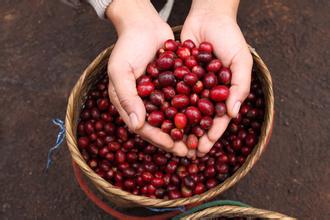
Most Indonesian specialty coffee is processed using the wet-hulled method, also known as Giling Basah. In this method, coffee is depulped, partially dried to around 30–50% moisture, then hulled to remove the parchment while still moist. This gives the beans their signature deep green color and contributes to heavy body, low acidity, and earthy or herbal flavors. This processing is especially dominant in Sumatra.
In the past, Indonesia also developed an ‘aged coffee’ tradition. After the shift from sailing ships to steamers, consumers accustomed to the flavor changes of long ocean voyages rejected fresher-tasting Indonesian beans. To mimic the aged profile, the government and some producers stored beans for up to a year. This produced the so-called ‘Old Government’, ‘Old Brown’, and ‘Old Java’ profiles—still available today, though not widely favored.
Indonesian Coffee Grading and Market
Indonesian coffee is graded into six classes, with AP (unofficially meaning ‘Anchor Product’ or similar) considered the highest grade. However, grading definitions remain unclear. The majority of production comes from small farms (around 90%), and the main export markets are Germany and Japan—both known for their discerning specialty coffee buyers.
Interestingly, while Indonesians produce world-renowned coffees, many locals prefer Turkish-style coffee over the classic filtered European style.
Frequently Asked Questions
What makes Indonesian coffee different from other origins?
Indonesian coffee is known for its full body, low acidity, and earthy or spicy flavors, often achieved through wet-hulled processing. The geography—volcanic islands with tropical climates—also contributes to its unique cup profile.
What is wet-hulled processing and why is it used in Indonesia?
Wet-hulled processing, or Giling Basah, involves removing the coffee parchment while the beans are still moist (30–50% moisture). This results in a heavier body, lower acidity, and distinct earthy flavors. It’s commonly used in Sumatra and other parts of Indonesia.
Which Indonesian coffee regions are most famous for specialty coffee?
Sumatra (especially Mandheling and Ankola), Java (notably the estates of Blawan and Jambit), and Sulawesi (Kalossi and Rantepao) are the most renowned for producing high-quality, distinctive specialty coffees.
What is the difference between Mandheling and Lintong coffee?
Mandheling refers to coffee from the Gayo highlands and Lake Toba area, often noted for its large beans. Lintong is a specific region within Sumatra also known for high-quality production. Both are typically processed via wet-hulling and offer full body and herbal notes.
Are aged Indonesian coffees still available?
Yes, aged Indonesian coffees such as ‘Old Government’, ‘Old Brown’, and ‘Old Java’ are still produced. They are intentionally stored for months or longer to mimic the flavor changes once caused by long sea voyages.
What percentage of Indonesian coffee is Arabica?
Only around 6–10% of Indonesia’s coffee production is Arabica. The majority is Robusta, making Indonesia one of the top global producers of Robusta beans.
Recommended FrontStreet Beans for Indonesian Profiles
For a true taste of Indonesia, try FrontStreet Coffee’s Lintong Mandheling and PWN Golden Mandheling. Lintong Mandheling delivers a full body with earthy and spicy notes, while PWN Golden Mandheling is meticulously sorted for a cleaner cup featuring toast, cedar, dark chocolate, and a sweet caramel finish. Both showcase the signature wet-hulled processing style of Sumatra. Freshly roasted within 5 days · Orders placed before 17:00 ship the same day · Next-day delivery across most of Guangdong Province.
FrontStreet Coffee is a long-established specialty coffee roaster in Guangzhou China, selling freshly roasted beans from its own farm in Yunnan as well as dozens of carefully selected single-origin beans from around the world for both pour-over and espresso. The products deliver consistently excellent quality and great value, with shipping within 24 hours. Guangzhou's FrontStreet Coffee shop is recommended by many coffee lovers, and the beans are now available online at the Tmall 。
Important Notice :
前街咖啡 FrontStreet Coffee has moved to new addredd:
FrontStreet Coffee Address: 315,Donghua East Road,GuangZhou
Tel:020 38364473