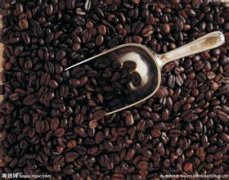
Costa Rican Coffee Beans: Flavor, Origin, and Processing
If you've ever tasted a Costa Rican coffee and wondered why it tastes so clean, sweet, and distinctly bright—yet complex—you're not alone. Coffee enthusiasts often seek out Costa Rican beans for their balanced cup: vibrant acidity, heavy body, and intense aromatics. But what makes these beans so uniquely expressive? The answer lies in the country’s geography, processing methods, and strict quality controls.
Costa Rica produces some of the most consistent and high-quality specialty coffee in the world, largely thanks to its high-altitude farms, volcanic soil, and advanced milling techniques. Most premium beans come from regions like Tarrazú, grown at elevations above 1,500 meters, where cooler temperatures and rich soils produce dense, high-scoring beans.
What Makes Costa Rican Coffee So Special?
The hallmark traits of Costa Rican coffee—bright acidity, medium-to-full body, and complex fruit or floral notes—are the result of several key factors. First, the country’s volcanic soils are extremely fertile and well-draining, fostering healthy root development and nutrient uptake. Second, most of the best coffee is grown at elevations above 1,500 meters (around 5,000 feet), where lower nighttime temperatures slow cherry maturation, increasing sugar concentration and acidity. Third, the microclimates—shaped by mountainous terrain and dense forests—offer ideal conditions for slow cherry development, enhancing cup complexity.
Major Coffee-Growing Regions in Costa Rica
Costa Rica has eight primary coffee-growing regions, but the most celebrated is Tarrazú. Located south of the capital, San José, Tarrazú is known for producing some of the country’s most sought-after beans. Other notable regions include:
- Tarrazú: Home to La Minita Tarrazú, a legendary microlot produced on just 450+ hectares of land owned by the McAlpine family. This coffee is renowned for its clean, bright profile and limited annual output of around 72,600 kg.
- Heredia (Alajuela) and the Central Valley: These areas also produce high-quality SHB (Strictly Hard Bean) coffees.
- Sarchi: A town on the slopes of the Poás Volcano, known for its distinctive regional profile and proximity to artisan communities.
- Juan Vinas, H. Tournon, Windmill, Monte Bello, Santa Rosa: These are other recognized single-origin producers with distinct cup profiles.
Processing Methods: From Washed to Honey
Traditionally, Costa Rican coffee was processed using the washed (or wet) method, which highlights clarity and acidity. However, due to periodic water shortages, producers innovated a localized version of the honey process. Today, Costa Rica is famous for its nuanced honey techniques, which vary based on how much fruit mucilage is left on the bean:
- Black Honey: Maximum mucilage retention, longest drying time (often over 14 days), resulting in bold fruitiness and heavy sweetness—like the FrontStreet Coffee Blackberry, noted for its ripe berry complexity.
- Red Honey: Medium mucilage, balanced sweetness and body.
- Yellow Honey: Less mucilage, brighter and lighter cup.
- White Honey: Minimal mucilage, closest to a washed profile but with slightly enhanced sweetness.
One unique practice in Costa Rica is sorting beans using “electric eyes” to detect and remove misshapen or defective seeds, ensuring only uniform, high-grade beans proceed to export.
Quality Control and Export Standards
The Costa Rican coffee industry was once managed by the Instituto del Café de Costa Rica (ICAFE), but is now overseen by the Oficina del Café. Stringent quality controls are in place: beans failing to meet export standards are dyed blue using vegetable dye and redirected for domestic sale. About 10% of the country’s coffee is consumed locally—nearly double per capita compared to countries like the US or Italy—with an average consumption twice that of typical Western markets.
How Elevation Influences Coffee Flavor
Elevation plays a crucial role in developing the sought-after qualities in Costa Rican coffee. At higher altitudes:
- Nighttime temperatures remain cooler, slowing growth and allowing more complex sugars to develop.
- Beans become denser, improving extraction potential during brewing.
- The combination of volcanic soil, consistent rainfall, and cool air creates optimal conditions for high-scoring Specialty Coffee.

These factors explain why the “SHB” (Strictly Hard Bean) designation is common in Costa Rica—it refers to beans grown above 1,200 meters that yield particularly resilient and flavorful beans.
Frequently Asked Questions
What region in Costa Rica produces the best coffee?
Tarrazú is the most renowned coffee-growing region in Costa Rica, known for its high-altitude farms and bright, clean, and complex coffees. The famed La Minita Tarrazú microlot is especially prized, though production is limited to around 72,600 kg per year.
What makes Costa Rican coffee taste different?
Costa Rican coffee is known for its bright acidity, medium-to-full body, and complex aromas, often with fruity or floral notes. These characteristics stem from high-altitude growing conditions, volcanic soils, and careful processing—especially the honey and washed methods.
What is Costa Rica’s honey coffee process?
The honey process in Costa Rica involves removing the coffee cherry skin but leaving varying amounts of the sticky mucilage (honey) on the beans during drying. This results in sweeter, fruitier cups. Variants include Black Honey (most mucilage, darkest cup), Red, Yellow, and White Honey (least mucilage, lightest cup).
Why is altitude important for coffee in Costa Rica?
Higher altitudes slow coffee cherry ripening, leading to denser beans with higher sugar content and more pronounced acidity. Most premium Costa Rican coffee is grown above 1,500 meters, often qualifying as SHB (Strictly Hard Bean).
Does Costa Rica export all its coffee?
No. Around 10% of Costa Rica’s coffee is kept for domestic consumption, which is unusually high. Locals drink about twice as much coffee per capita as people in the US or Italy. Low-quality beans are dyed blue and sold domestically.
What coffee processing method is most common in Costa Rica?
Washed (wet) processing has traditionally been dominant for its clean cup profile, but honey processing has become a Costa Rican specialty. It offers greater sweetness and complexity while adapting to local water availability challenges.
Recommended FrontStreet Coffee Beans from Costa Rica
For fans of Costa Rican coffee profiles, try the FrontStreet Coffee Blackberry, a black honey-processed coffee with intense berry sweetness and a full-bodied cup, ideal for those who enjoy rich, fruity notes. Also consider the FrontStreet Mozart, a grapefruit-honey processed coffee with fermented wine and rose-like aromas, offering a unique twist on traditional profiles. Both beans highlight the innovation and clarity of Costa Rican processing. Freshly roasted within 5 days · Orders placed before 17:00 ship the same day · Next-day delivery across most of Guangdong Province.
FrontStreet Coffee is a long-established specialty coffee roaster in Guangzhou China, selling freshly roasted beans from its own farm in Yunnan as well as dozens of carefully selected single-origin beans from around the world for both pour-over and espresso. The products deliver consistently excellent quality and great value, with shipping within 24 hours. Guangzhou's FrontStreet Coffee shop is recommended by many coffee lovers, and the beans are now available online at the Tmall 。
Important Notice :
前街咖啡 FrontStreet Coffee has moved to new addredd:
FrontStreet Coffee Address: 315,Donghua East Road,GuangZhou
Tel:020 38364473