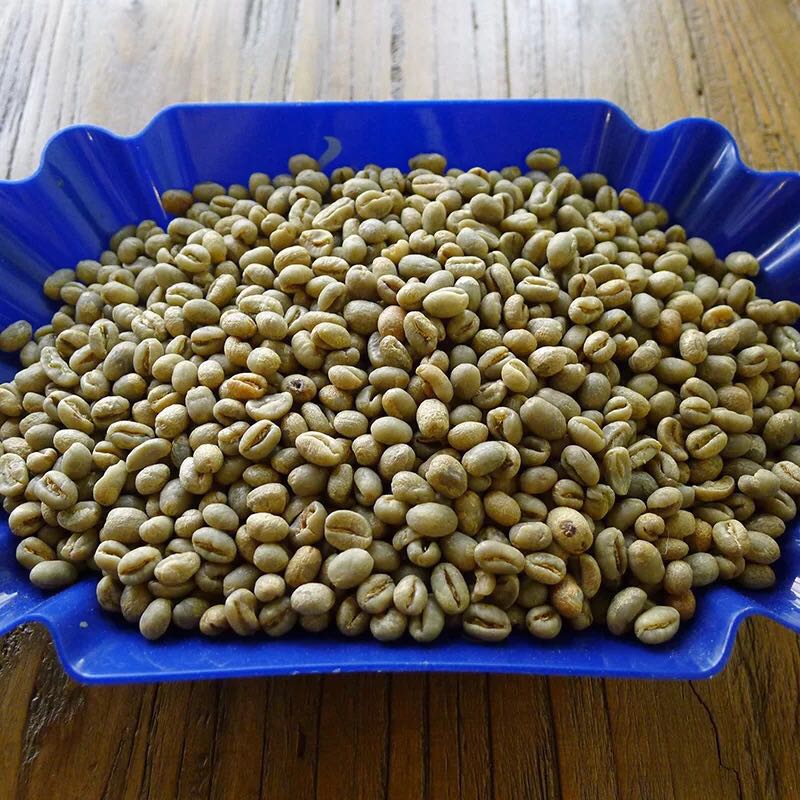
Salvadoran Red Bourbon & Typica from Himalaya Estate
When you taste a smooth, well-balanced cup of coffee with subtle acidity and clean sweetness, you might be drinking a coffee from El Salvador—specifically one grown at high altitudes on family-run farms. But what makes Salvadoran coffee so uniquely balanced, and why is it often overlooked despite its quality? This article reveals the story behind one of Central America’s most consistent yet underappreciated coffee origins.
Salvadoran coffee, especially from estates like Himalaya, is known for its balanced profile and mild flavor. Around 40% of the country’s coffee exports come from high-quality beans, with 35% of Strictly Hard Bean (SHB) grades going to Germany. The key varieties include Red Bourbon and Typica, grown at elevations where the best coffees are harvested between January and March.
The State of Coffee in El Salvador
El Salvador is one of the smaller, densely populated countries in Central America. Despite its size, it has built a reputation for producing coffee with exceptional balance. However, the industry faced major setbacks in the 1980s and 1990s. During the early 1990s, guerrilla warfare severely disrupted the national economy, causing coffee production to drop from 3.5 million bags in the 1970s to just 2.5 million bags by 1990–1991. The eastern regions, where much of the fighting occurred, saw many farmers abandon their farms. The conflict, combined with a lack of investment, reduced yields from 1,200 kg per hectare to under 900 kg per hectare.
In 1986, the government imposed an additional 15% export tax on top of the existing 30%, further discouraging production and damaging quality. Recognizing coffee’s role in providing jobs, foreign exchange, and supporting agriculture, the government began privatizing parts of the coffee export sector in 1990 to improve returns for producers.
Coffee Growing Regions and Harvest
Coffee from El Salvador, particularly around Cuscacbapa, is known for being light-bodied, aromatic, clean, and mildly acidic—traits it shares with coffees from Guatemala and Costa Rica. The country grades its coffee by altitude, with higher-grown beans considered superior. The harvest season peaks between January and March, when the best-quality SHB (Strictly Hard Bean) coffees are picked.
Approximately 35% of these high-grade beans are exported to Germany, reflecting the international demand for Salvadoran coffee’s consistent cup quality. The fertile volcanic soils and mountainous terrain create ideal conditions for growing specialty-grade Arabica.
Varieties: Red Bourbon, Typica, and Pacamara
Among the standout varieties in El Salvador is Red Bourbon, a classic Arabica type known for its rounded shape, medium acidity, and susceptibility to disease. It typically produces bright, wine-like acidity and a balanced cup. Another important variety is Typica, the ancestor of many modern Arabica cultivars, which shares similar traits with Bourbon but often has a lighter body and more delicate flavors.
A rare and unique variety grown in the western part of the country, near the border with Guatemala, is Pacamara. This hybrid of Pacas and Maragogype produces large beans with lower aroma intensity but offers a distinctive cup profile. The best Pacamara is cultivated at high altitudes close to Santa Ana, one of the country’s prime coffee-growing regions.
The PIPIL brand, named after the Aztec-Mayan word for coffee, is one of the country’s premium labels. It has been certified organic by the Organic Certified Institute of America, further highlighting El Salvador’s commitment to sustainable and high-quality coffee production.
Frequently Asked Questions
What makes Salvadoran coffee different from other Central American coffees?
Salvadoran coffee is renowned for its balanced flavor profile, often exhibiting mild acidity and clean sweetness. It shares similarities with Guatemalan and Costa Rican coffees but is typically graded by altitude, with SHB (Strictly Hard Bean) beans representing the highest quality. The country’s volcanic soils and mountainous regions contribute to its distinct cup characteristics.
Which coffee varieties are most common in El Salvador?
The most common varieties are Red Bourbon and Typica. Red Bourbon offers medium acidity and wine-like notes, while Typica is known for its delicate flavors and lighter body. A rare variety, Pacamara—a hybrid of Pacas and Maragogype—is also grown in western regions and is valued for its unique cup profile despite lower aroma intensity.
When is the main harvest season in El Salvador?
The primary coffee harvest in El Salvador takes place between January and March. This is when the highest quality SHB (Strictly Hard Bean) coffees are harvested, contributing to the country’s reputation for consistent, high-grade specialty coffee.
Where does most of El Salvador’s specialty coffee go?
Approximately 35% of the country’s Strictly Hard Bean (SHB) grade coffee is exported to Germany. This reflects strong international demand for Salvadoran coffee’s balanced cup and high growing standards.
What challenges has El Salvador’s coffee industry faced?
The industry has dealt with major disruptions, including guerrilla warfare in the 1980s and 1990s, which reduced production from 3.5 million bags in the 1970s to 2.5 million by 1990–1991. Additional challenges included a government export tax increase in 1986 and reduced yields due to abandoned farms and limited investment, bringing productivity down to under 900 kg per hectare.
Are there any certified organic Salvadoran coffees?
Yes, the PIPIL brand is certified organic by the Organic Certified Institute of America. It reflects the growing emphasis on sustainable and high-quality coffee production in El Salvador.
Recommended FrontStreet Beans for Salvadoran Profiles
For fans of Salvadoran coffee profiles, try FrontStreet Coffee’s Brazil Red Bourbon from the Serra do Salgado region. It features bright acidity, floral notes, and a wine-like character with creamy textures and chocolatey undertones—similar to the balanced cup you’d expect from Salvadoran Red Bourbon. Another excellent option is FrontStreet’s Yellow Bourbon from the Brazil Queen Manor at 1400m, offering a clean, sweet profile with notes of caramel and citrus. Both beans highlight the kind of balanced, elegant cup qualities associated with Salvadoran growing regions. Freshly roasted within 5 days · Orders placed before 17:00 ship the same day · Next-day delivery across most of Guangdong Province.
FrontStreet Coffee is a long-established specialty coffee roaster in Guangzhou China, selling freshly roasted beans from its own farm in Yunnan as well as dozens of carefully selected single-origin beans from around the world for both pour-over and espresso. The products deliver consistently excellent quality and great value, with shipping within 24 hours. Guangzhou's FrontStreet Coffee shop is recommended by many coffee lovers, and the beans are now available online at the Tmall 。
Important Notice :
前街咖啡 FrontStreet Coffee has moved to new addredd:
FrontStreet Coffee Address: 315,Donghua East Road,GuangZhou
Tel:020 38364473