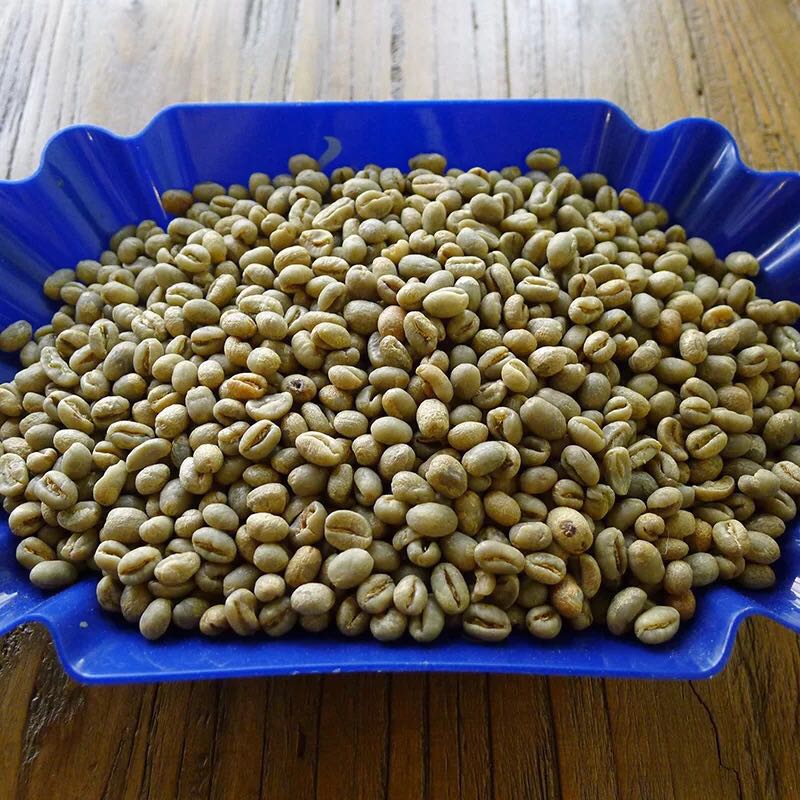
El Salvador Honey Process Coffee Beans: Flavor & Profile
When you’re searching for a coffee that’s smooth, balanced, and easy-drinking but still complex, El Salvador’s honey-processed beans often come up—but why? This small Central American country, densely populated and historically shaped by conflict, produces a coffee style celebrated for its gentleness and clarity. If you’ve ever wondered what makes Salvadoran coffee stand out among its neighbors, the answer lies in both its processing method and its turbulent past.
El Salvador’s signature honey-processed coffee is typically mild and well-balanced, with around 40% of the country’s coffee exports falling into this category. The best-quality beans are harvested between January and March, with 35% of Strictly Hard Bean (SHB) grade coffee going to Germany.
El Salvador’s Coffee Industry: A History of Conflict and Recovery
In the early 1990s, El Salvador’s coffee production was severely disrupted by guerrilla warfare. By 1990–1991, output had fallen from 3.5 million bags in the 1970s to just 2.5 million bags. The war disproportionately affected eastern growing regions, displacing farmers and workers and causing a sharp decline in both yield and investment. Coffee production dropped from 1,200kg per hectare to under 900kg/ha. Export taxes also damaged the sector: in 1986, a 15% export surcharge was added to an already heavy 30% tax burden, discouraging quality-focused production.
The Revival of Salvadoran Coffee
Recognizing coffee’s role in employment, foreign exchange, and agriculture, the Salvadoran government began privatizing parts of the coffee export industry in 1990. This shift aimed to improve returns for producers and revive the sector’s global standing. Though challenges remain, the focus on quality has slowly returned, particularly for high-altitude SHB coffees.
Coffee Growing Regions and Grading in El Salvador
Like Guatemala and Costa Rica, El Salvador grades its coffee by altitude. The higher the elevation, the better the cup quality. The optimal harvest window is January to March, when the country’s finest beans are picked. These high-elevation beans fall under the Strictly Hard Bean classification, denoting denser, more complex cherries grown above 1,200 meters.
Notable Coffee Varietals from El Salvador
Among El Salvador’s unique offerings is the Pipil coffee, named after the Aztec-Mayan word for coffee. It has earned organic certification from the Organic Certified Institute of America and is known for its light body, aromatic profile, and mild acidity. Another rare and noteworthy variety is Pacamara, a hybrid of Pacas and Maragogype beans. Grown primarily near the western border with Guatemala, in the Santa Ana region, Pacamara beans are large and known for their distinct cup profile, though they tend to have a more muted aroma compared to other elite types.
What Is Honey Process Coffee?
Honey process, known locally as ‘semi-washed,’ involves removing the coffee cherry skin and then drying the beans with some or all of the sticky mucilage (fruit layer) still intact. This method strikes a balance between the clarity of washed processing and the fruity sweetness of natural drying. It typically results in a cup with enhanced sweetness and body, but without the heavy fermentation notes of full natural processing. In El Salvador, this method contributes to the country’s reputation for mild, approachable coffee profiles.
Frequently Asked Questions
What is special about El Salvador coffee?
El Salvador coffee is known for its balanced flavor profile, mild acidity, and medium body. Much of it is grown at high altitudes, classified as Strictly Hard Bean (SHB), and processed using methods like honey processing that enhance sweetness and clarity. Around 40% of its coffee exports are honey-processed, contributing to its reputation for smooth, easy-drinking cups.
What is the main coffee variety in El Salvador?
While El Salvador grows several varieties, notable ones include Pipil and Pacamara. Pipil is an indigenous variety with organic certification, known for its light and aromatic profile. Pacamara, a hybrid of Pacas and Maragogype, produces large beans and is valued for its unique cup characteristics, though it is rarer and mostly grown near the Guatemalan border.
How has El Salvador’s coffee production changed over time?
El Salvador’s coffee production dropped from 3.5 million bags in the 1970s to 2.5 million in the early 1990s due to guerrilla warfare, farmer displacement, and reduced yields (from 1,200kg/ha to under 900kg/ha). Export taxes and poor exchange rates further hurt the industry until the government began privatizing coffee exports in 1990 to improve quality and returns.
What is honey processed coffee and how does it affect flavor?
Honey process, or semi-washed, removes the coffee skin but leaves some or all of the fruit mucilage during drying. This enhances sweetness and body while maintaining clarity. In El Salvador, this method contributes to the country’s reputation for mild, smooth, and softly sweet coffee profiles.
When is El Salvador’s prime coffee harvesting season?
The best coffee in El Salvador is harvested between January and March. These beans are typically grown at high altitudes, classified as Strictly Hard Bean, and offer the most balanced and complex cup profiles.
Which regions in El Salvador produce the best coffee?
The best Salvadoran coffee comes from high-altitude regions, particularly those producing Strictly Hard Bean (SHB) grades. The western regions near the Guatemalan border, such as Santa Ana, are known for rare varieties like Pacamara, while overall quality is tied to elevation and careful processing methods.
Recommended FrontStreet Beans for Honey Process Fans
FrontStreet Coffee’s (Blackberry Coffee) uses a unique black honey process—keeping nearly all the fruit mucilage—for intense sweetness and deep berry notes. The Strawberry Candy EspressoGeisha (Strawberry Candy Geisha Blend) combines Geisha’s floral brightness with grape and blueberry tones from grapefruit honey processing. For a more classic Central American profile, look to their (Mozart Coffee) featuring grapefruit honey processing, delivering tropical fruit sweetness. All are medium-light roasts ideal for exploring honey-process nuance. Freshly roasted within 5 days · Orders placed before 17:00 ship the same day · Next-day delivery across most of Guangdong Province.
FrontStreet Coffee is a long-established specialty coffee roaster in Guangzhou China, selling freshly roasted beans from its own farm in Yunnan as well as dozens of carefully selected single-origin beans from around the world for both pour-over and espresso. The products deliver consistently excellent quality and great value, with shipping within 24 hours. Guangzhou's FrontStreet Coffee shop is recommended by many coffee lovers, and the beans are now available online at the Tmall 。
Important Notice :
前街咖啡 FrontStreet Coffee has moved to new addredd:
FrontStreet Coffee Address: 315,Donghua East Road,GuangZhou
Tel:020 38364473