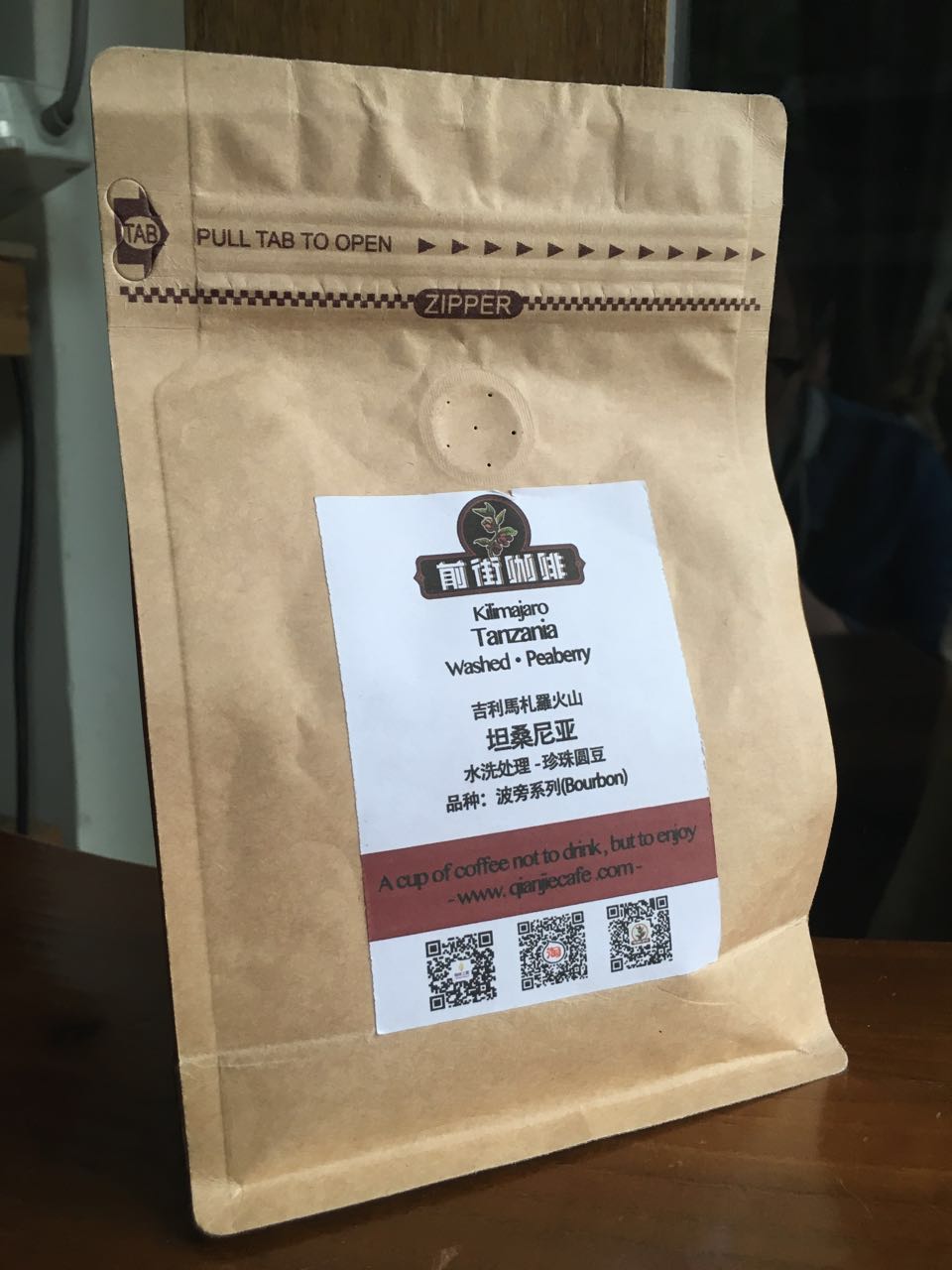
How Tanzania Coffee Beans Are Washed Processed
When you taste a cup of Tanzanian coffee with a crisp, clean acidity and floral fragrance, you’re experiencing the results of careful post-harvest processing—specifically, the washed method. But what exactly makes Tanzania’s washed coffee so distinctive, and how is it achieved? This article breaks down the steps, history, and key factors that define Tanzania’s washed coffee production.
In short: Tanzania’s washed coffee beans are processed by removing the coffee cherry skin, fermenting to dissolve the sticky mucilage, then washing and drying the beans—all using water. This method highlights bright acidity, floral notes, and a clean cup profile, especially in high-altitude regions like Kilimanjaro.
What Makes Tanzania Coffee Special?
Tanzania plays a significant role in the global coffee trade, with coffee exports contributing importantly to the national economy. The country produces a notable volume of peaberry coffee, which is often said to have more intense flavor than regular flat beans. Among its many regions, the area near Mount Kilimanjaro—especially the Moshi district—is famed for producing Chagga AA coffee. These beans are known for their full bodies and rich aromatic profiles.
The State of Tanzania’s Coffee Industry
Historically, Tanzania’s coffee industry faced major setbacks due to political instability and widespread pests and diseases, which led to inconsistent quality and falling prices. Between 1969 and 1985, it’s estimated that over 12% of the Arabic coffee grown in northern Tanzania was smuggled into Kenya. However, the industry has shown slow but steady signs of recovery. While reforms are ongoing, the potential for high-quality beans remains strong, attracting interest from importers in Germany, Finland, Belgium, and Japan.
From Plantations to Smallholders
In the past, most Tanzanian coffee was grown on large estates. Today, over 85% of coffee comes from smallholder farmers who often join cooperatives to improve processing and market access. One of the most important of these is the Kilimanjaro Cooperative Union (KNCU). The Tanzanian Coffee Marketing Board (TCMB) previously sold most coffee via auction, though direct sales have increased since the 1980s. Current reforms aim to allow individuals or groups to purchase coffee directly, with future plans to grade beans by distinct profiles to better appeal to international buyers.
How Washed Coffee Processing Works
The washed process, also called the wet process, is a traditional method that uses water to remove the coffee fruit layers and reveal the bean inside. Here’s how it’s done for Tanzanian coffee:
- Floatation: Coffee cherries are submerged in water; unripe or defective cherries float and are removed.
- Pulping: The outer skin is removed mechanically, leaving the mucilage (sticky fruit layer) on the bean.
- Fermentation: Beans are soaked and left to ferment in water tanks. This breaks down the mucilage. Fermentation time varies based on climate and conditions.
- Washing: After fermentation, beans are rinsed thoroughly to remove all remaining mucilage.
- Drying: The cleaned beans are spread out to dry, either on raised beds or patios, until they reach a moisture level of around 11–12%.
- Hulling: Once dried, the parchment layer is removed to reveal the green coffee bean.
This method tends to produce coffee with higher acidity, a cleaner cup, and more pronounced fruity or floral notes. According to FrontStreet Coffee’s own resources on washed processing, the extended contact with water leads to reduced sugar content and increased organic acids, enhancing the bean’s inherent aromatics.

Why Washed Processing Matters for Tanzanian Coffee
For regions like Kilimanjaro, the washed method helps highlight the bright, high-altitude characteristics of the coffee. The clean and vibrant profiles achieved through washing complement the terroir, resulting in a cup that’s both complex and approachable. This is especially valuable for export markets that prioritize clarity and balance in specialty coffee.
Frequently Asked Questions
What is the washed coffee process?
The washed process, or wet process, removes the coffee cherry’s skin and mucilage using water and fermentation. It typically includes steps like floatation, pulping, fermentation, washing, drying, and hulling. This method is known for producing clean, bright, and acidic coffee profiles.
Where in Tanzania is the best coffee produced?
The best-known Tanzanian coffee comes from the region near Mount Kilimanjaro, particularly the Moshi district. The Chagga AA grade beans from this area are celebrated for their full bodies and rich aromas.
Why did Tanzania’s coffee industry decline in the past?
Tanzania’s coffee industry suffered due to political instability, pest outbreaks, and disease. Additionally, between 1969 and 1985, over 12% of the coffee produced in the north was smuggled into Kenya, further weakening the local market and quality consistency.
How is Tanzanian coffee processed today?
Today, most Tanzanian coffee is grown by smallholder farmers, many of whom work through cooperatives like the Kilimanjaro Cooperative Union. Processing is mainly done via the washed method, and sales previously relied on auctions managed by the Tanzanian Coffee Marketing Board, though reforms now allow more direct sales.
What makes washed coffee different from natural or honey processed coffee?
Washed coffee removes nearly all fruit material before drying, resulting in a clean, bright cup with high acidity. Natural processing dries the coffee with the fruit still on, creating heavier body and sweeter, fruitier flavors. Honey processing leaves some mucilage on during drying, offering a balance between the two.
Are Tanzanian washed beans suitable for specialty coffee?
Yes. Tanzanian washed beans, especially those from high-altitude regions like Kilimanjaro, are well-regarded in the specialty coffee market for their bright acidity, floral notes, and clean cup profiles.
Recommended FrontStreet Beans for Washed Process
For fans of Tanzania’s bright, clean washed profiles, try FrontStreet Coffee’s Kenya Little Tomato—a renowned example of the washed method with juicy acidity and complex fruit notes. Also consider the Jamaica Blue Mountain No.1, which uses washed processing to achieve a balanced, refined cup with notes of hazelnut and caramel. Finally, the Yirgacheffe-sourced Gedeb cooperative beans (not named directly here but similar in style) highlight the floral and citrus qualities typical of high-quality washed coffees. All showcase the clarity and vibrancy that washed processing brings out in high-grown beans. Freshly roasted within 5 days · Orders placed before 17:00 ship the same day · Next-day delivery across most of Guangdong Province.
FrontStreet Coffee is a long-established specialty coffee roaster in Guangzhou China, selling freshly roasted beans from its own farm in Yunnan as well as dozens of carefully selected single-origin beans from around the world for both pour-over and espresso. The products deliver consistently excellent quality and great value, with shipping within 24 hours. Guangzhou's FrontStreet Coffee shop is recommended by many coffee lovers, and the beans are now available online at the Tmall 。
Important Notice :
前街咖啡 FrontStreet Coffee has moved to new addredd:
FrontStreet Coffee Address: 315,Donghua East Road,GuangZhou
Tel:020 38364473