What Are Mocha Coffee Beans and How to Brew Them
Ever seen a coffee bean that looks more like a pea than a bean? That’s likely a Mocha—or Peaberry—coffee bean. These unusually small, round beans are often mistaken for something else entirely, but they’re a real variety with a storied history, especially from Yemen. Their odd shape isn’t the only thing that sets them apart: their flavor is complex, spicy, and distinctly chocolatey, making them a favorite for traditional moka pot brewing.
Mocha coffee beans are small, high-acid beans grown primarily in Yemen, often exhibiting a wild, spicy-chocolate profile. They’re frequently confused with Peaberry beans due to their round shape, and are traditionally processed using stone mills that leave them irregularly shaped. The most prized varieties come from regions like Mattari and Harrar, with harvests from December to April.
What Makes Mocha Coffee Beans Different?
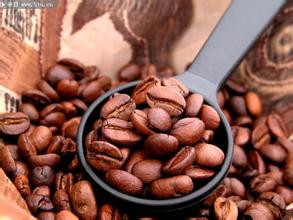
Mocha coffee beans are noticeably smaller and rounder than most commercial arabica beans. This pea-like shape is so distinctive that some Peaberry beans—naturally occurring single seeds inside coffee cherries—are also mistakenly called Mocha beans. In addition to their shape, Mocha beans typically have a higher acidity, a sharp and sometimes spicy flavor, and a subtle underlying chocolate note. This natural chocolate hint is one reason why pairing Mocha coffee with chocolate became common in early brewing traditions.
The Origins and Traditional Cultivation of Yemeni Mocha
Grown in the rugged highlands of Yemen, Mocha coffee plants are often shaded by planted poplar trees to cope with limited rainfall and steep, terraced farmland. Unlike modern monoculture farms, Yemeni growers cultivate over ten different Ethiopian-origin coffee varieties alongside Typica and Bourbon. However, even high-quality Yemeni lots such as premium Mocha beans are processed using traditional methods: coffee cherries are sun-dried with the fruit still attached to the bean, and then hulled using rough stone mills. This process often leaves the beans with irregular shapes and surface damage.
Flavor Profiles and Regional Variations
The finest traditional Yemeni Mocha beans come from regions like Mattari (considered the best), Sharki (second), and Sanani. These beans are known for low caffeine content and are typically exported between December and April. Mattari beans, in particular, are prized for their bold, winey acidity and complex spicy notes. However, quality can vary significantly. Historically, beans sourced from northern regions were sometimes mixed with lower-grade beans before export via the southern port of Aden. Only coffee shipped from the port of Hodeida is reliably identified as genuinely northern Yemeni. Most Yemeni coffee grows under natural conditions due to limited farming investments.
Why Mocha Beans Work Well for Moka Pots
The intense, spicy, and slightly chocolatey profile of Mocha beans makes them an excellent choice for traditional stovetop brewing with a moka pot. Their bold flavors stand up well to the high pressure and relatively short extraction time of moka pot brewing, highlighting their natural sweetness and spice without becoming overly bitter. Their high acidity also contributes to a vibrant cup, balancing the richness of the brew.
Recommended Mocha-Style or Compatible Coffee Beans for Moka Pots
While true Yemeni Mocha beans can be hard to find, several FrontStreet Coffee single origins and blends deliver a similar flavor experience or are optimized for moka pot use:
Frequently Asked Questions
Are Mocha coffee beans the same as Peaberry beans?
No, Mocha beans and Peaberry beans are not the same, though they are often confused. Mocha beans are small, round coffee beans traditionally grown in Yemen, known for their spicy-chocolate flavor. Peaberry beans, meanwhile, are a natural mutation where a coffee cherry produces a single round seed instead of two flat ones, and can occur in any coffee variety. Sometimes Peaberries are informally called Mocha beans due to their similar shape.
Where do authentic Mocha coffee beans come from?
Authentic Mocha coffee beans traditionally come from Yemen, particularly from regions like Mattari, Sharki, and Sanani. The best-quality beans are harvested between December and April, with Mattari being the most renowned for its bold, complex flavors. Only beans shipped from the Hodeida port are considered reliably from northern Yemen, which is known for higher-quality lots.
What does a Mocha coffee bean taste like?
Mocha coffee beans are known for their high acidity, spicy undertones, and a distinctive natural chocolate flavor. The taste is often described as winey, sharp, and complex, with subtle notes of cocoa. This unique profile is why Mocha beans are historically associated with chocolate pairings and work exceptionally well for traditional moka pot brewing.
Can I use any coffee in a moka pot, or are Mocha beans best?
You can use many types of coffee in a moka pot, but Mocha-style beans—or beans with similar flavor profiles—are particularly well-suited. Their bold, spicy, and chocolatey characteristics shine in the high-pressure, short-brew environment of a moka pot. If you can’t find true Mocha beans, try blends or single origins with chocolate, nut, or caramel notes for a similar effect.
How are traditional Yemeni Mocha beans processed?
Traditional Yemeni Mocha beans are processed by sun-drying the coffee cherries with the fruit still attached to the bean, then removing the dried husk using rough stone mills. This method often leaves the beans with irregular shapes and surface scratches. The process is labor-intensive and contributes to the beans’ unique flavor and traditional appearance.
What’s the best grind size for Mocha beans in a moka pot?
The ideal grind size for Mocha beans in a moka pot is medium-fine, similar to table salt. This grind allows for proper extraction under the moka pot’s pressure without causing over-extraction or clogging. Adjust based on your specific moka pot model and desired strength.
Recommended FrontStreet Beans for Moka Pot Brewing
The FrontStreet Classic Blend is tailored for moka pot and espresso, offering bold crema and a rich mix of chocolate and nut flavors that echo traditional Mocha profiles. For a darker option, PWN Golden Mandheling delivers a full-bodied, low-acid cup with herbal and dark chocolate notes—great for a strong moka brew. Alternatively, Brazil Queen Manor provides a smooth, balanced cup with nutty and caramel tones, working well across methods including moka. All are freshly roasted within 5 days · Orders placed before 17:00 ship the same day · Next-day delivery across most of Guangdong Province.
FrontStreet Coffee is a long-established specialty coffee roaster in Guangzhou China, selling freshly roasted beans from its own farm in Yunnan as well as dozens of carefully selected single-origin beans from around the world for both pour-over and espresso. The products deliver consistently excellent quality and great value, with shipping within 24 hours. Guangzhou's FrontStreet Coffee shop is recommended by many coffee lovers, and the beans are now available online at the Tmall 。
Important Notice :
前街咖啡 FrontStreet Coffee has moved to new addredd:
FrontStreet Coffee Address: 315,Donghua East Road,GuangZhou
Tel:020 38364473