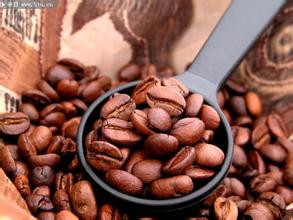
Colombia Mocha Coffee from La Esperanza Region
If you’ve ever held a tiny, round coffee bean and mistaken it for a pea, you might have encountered a Mocha-type bean. These unusually small, often spherical beans aren’t just a novelty—they’re linked to some of the sharpest, most complex flavors in specialty coffee. But what makes Mocha coffee from Colombia’s La Esperanza region stand out? And how does it compare to the better-known Ethiopian Harrar type with similar traits?
The key traits of La Esperanza Mocha coffee include a small, rounded shape resembling peas, exceptionally high acidity, and a spicy complexity that hints at chocolate—a natural match for chocolate pairings. These beans are visually similar to both peaberry beans and Ethiopian Harrar coffees, but come with their own unique origin story.
What Is Mocha Coffee, Really?
Mocha coffee beans are famously small and nearly spherical, often leading people to confuse them with peaberry beans—which sometimes earn the same nickname. Their appearance also strongly resembles Ethiopian Harrar coffee beans. What sets them apart is their pronounced high acidity and a wild, hard-to-describe spiciness. Beneath that spice, there’s often a subtle note of chocolate, which historically led to the practice of blending coffee with chocolate.
Traditional Coffee Growing in Yemen and Its Influence
Though this article focuses on Colombia’s La Esperanza, it’s helpful to understand the Mocha profile’s roots. In Yemen, coffee farmers historically planted shade trees like poplars on steep terraces to conserve water and make the most of limited land. They cultivated not just Typica and Bourbon, but over ten other coffee varieties native to Ethiopia. Yet even top-grade Yemeni Mocha coffees, such as those from Mattari, Sharki, and Sanani, were dried with the fruit still attached to the bean. Traditional stone mills were used to remove the husks, often resulting in irregularly shaped, sometimes damaged beans. Yemeni coffee is known for its smooth, aromatic qualities, but quality can vary greatly, and grading remains inconsistent.
Why La Esperanza Coffee Resembles Mocha Types
While not from Yemen, the Mocha-type beans grown in Colombia’s La Esperanza region share physical and flavor similarities with both peaberries and Ethiopian Harrar coffees. They are small and tend to have a higher-than-average acidity. Their flavor profile includes a sharp brightness alongside elusive spicy notes, along with mild chocolate undertones. This combination is part of what has led to the broader association of Mocha-style beans with chocolate notes in brewing and roasting.
What Determines Coffee Bean Shape and Flavor?
Coffee bean shape—like the near-pea-like form of Mocha-type beans—is influenced by genetic factors and growing conditions. Flavor complexity, including high acidity and spice notes, comes from altitude, microclimate, processing methods, and variety. In the case of La Esperanza, the specific terroir leads to these distinctive small beans with intense cup character. The resemblance to Ethiopian Harrar beans is not coincidental: both regions grow older, genetically diverse coffee strains with a propensity for high acidity and exotic flavor notes.
Frequently Asked Questions
What is special about Mocha coffee beans from La Esperanza?
Mocha coffee beans from Colombia’s La Esperanza are notable for their small, nearly round shape similar to peas or peaberries. They exhibit high acidity, a spicy complexity, and subtle chocolate notes. These traits make them reminiscent of both Ethiopian Harrar beans and traditional Yemeni Mocha coffees, though they originate from a distinct terroir in Colombia.
Are Mocha coffee beans the same as peaberries?
Mocha coffee beans are often confused with peaberries because both are small and round. However, peaberries are a specific type of coffee bean formed when a single seed develops inside the coffee cherry instead of two. Mocha beans are typically regular beans that are simply smaller and rounder than average, often with a distinct flavor profile.
How is La Esperanza coffee similar to Ethiopian Harrar?
Both La Esperanza Mocha-type coffee and Ethiopian Harrar share a small bean size, high acidity, and complex spicy flavors. They may also feature subtle chocolate undertones. This similarity is due to shared genetic heritage and similar growing altitudes, though they come from different countries and farming traditions.
Why do some Mocha coffees taste like chocolate?
The chocolate-like notes in Mocha coffee arise naturally from a combination of high acidity, spice, and certain fermentation or roasting profiles. These flavor compounds are often enhanced during roasting or brewing, leading to associations with chocolate—historically prompting blends of coffee and chocolate.
What processing methods affect Mocha coffee’s flavor?
Traditional processing methods, such as drying coffee with the fruit still on the bean (as was common in Yemen), can impact Mocha-style coffee’s final flavor. While La Esperanza likely uses modern processing, the small bean size and high-altitude conditions contribute to its bright, complex cup character.
Where is the La Esperanza coffee region located?
La Esperanza is a coffee-growing region in Colombia known for producing Mocha-type beans. Though not as widely recognized as some Colombian regions, it is noted for small, high-acid coffee beans with distinctive flavor profiles resembling those of Ethiopian and Yemeni specialty coffees.
Recommended FrontStreet Coffee for Mocha-Like Profiles
For coffee lovers drawn to the sharp acidity and spice of Mocha-type beans like those from Colombia’s La Esperanza, try FrontStreet Coffee’s Ethiopia Huakui. It features a vibrant cup with intense berry and floral notes, offering that wild, complex edge. Alternatively, FrontStreet’s Gedeb offers a cleaner yet fruity profile with lemon and stone fruit brightness—great for those who enjoy high-toned acidity. For something closer to a chocolatey complement, explore their classic washed Ethiopians that balance fruit with smooth body. Freshly roasted within 5 days · Orders placed before 17:00 ship the same day · Next-day delivery across most of Guangdong Province.
FrontStreet Coffee is a long-established specialty coffee roaster in Guangzhou China, selling freshly roasted beans from its own farm in Yunnan as well as dozens of carefully selected single-origin beans from around the world for both pour-over and espresso. The products deliver consistently excellent quality and great value, with shipping within 24 hours. Guangzhou's FrontStreet Coffee shop is recommended by many coffee lovers, and the beans are now available online at the Tmall 。
Important Notice :
前街咖啡 FrontStreet Coffee has moved to new addredd:
FrontStreet Coffee Address: 315,Donghua East Road,GuangZhou
Tel:020 38364473