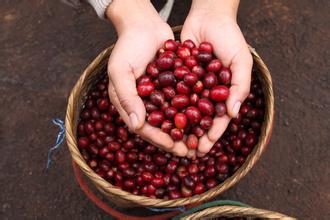
How Indonesia Processes Its Specialty Coffee
Ever wondered why Indonesian coffees—like those earthy, full-bodied Sumatras—taste so distinctly different from your average Ethiopian or Colombian beans? The secret isn’t just in the terroir or bean variety, but in how the coffee is processed after harvest. From the volcanic highlands of Sumatra to the colonial-era storage practices of Java, Indonesia’s coffee methods are as unique as its archipelago geography.
Indonesia produces both Arabica and Robusta beans, with around 6%–10% being Arabica. The majority—over 6.8 million bags annually—are Robusta, mostly from smallholder farms. But it’s the specialized processing, especially the wet-hulling (Giling Basah) method, that defines much of its signature cup profile.
Indonesia’s Coffee Origins and Key Regions
Coffee was introduced to Indonesia by the Dutch in the mid-17th century, with some records suggesting an even earlier arrival. By 1712, the first coffee from Java reached Amsterdam. However, in 1877, coffee leaf rust devastated plantations, leading to the replacement of Arabica with Robusta trees. Today, only 6%–10% of Indonesia’s coffee is Arabica. The country is now the world’s largest producer of Robusta, with 90% of its output coming from small farms.
The best-known coffee-growing regions span several islands: Java, Sumatra (notably Blawan), Sulawesi, and Flores. Each region imparts distinct characteristics to its beans through both environment and processing.
Regional Coffee Profiles
Java, historically significant in coffee trade, produces refined, low-acidity coffees with smooth balance. Top estates include Blawan, Jambit, Kayumas, and Pankur. ‘Java Mocha’ is a blend of Java and Yemeni Mocha coffees.
Sumatra, Indonesia’s second-largest island, is famed for its heavy-bodied beans. Mandheling and Ankola coffees are especially prized, with Mandheling beans noted for their remarkable roundness. Sulawesi (also called Celebes), located between Borneo and New Guinea, yields bold, aromatic coffees, with premium lots from Kalossi and Rantepao. New Guinea’s Sigri plantation produces balanced, full-bodied beans typical of the region’s style.
Overall, Indonesian coffees are known for their intense flavor, syrupy body, pronounced sweetness, and bright acidity. They hold strong appeal in markets like Germany and Japan, reflecting their high intrinsic quality. The top grade is labeled AP, though the meaning of the letters remains unclear.
Indonesia’s Unique Processing Methods
Indonesia’s most distinctive contribution to global coffee processing is wet-hulling, locally known as Giling Basah. This method begins like a washed process but diverges at the drying stage. After pulping and fermenting, the beans are dried only to around 30%–50% moisture before the parchment is removed—much earlier than in other methods. The beans, still in their mucilage-laced state, continue drying to 11%–13% moisture. This results in their characteristic deep color, heavy body, and earthy, herbal tones.
The practice began as a response to the shift from sailing ships to steamers. Consumers had grown accustomed to the aged flavor of coffee transported by sea over months. To replicate that profile, the Indonesian government stored coffee for up to a year. However, the deliberately moist-aged coffee didn’t gain widespread popularity and damaged the country’s coffee reputation. These ‘aged’ or ‘voyage’ coffees are still produced under labels like Old Government, Old Brown, and Old Java.
Despite the global success of its processed beans, many Indonesians prefer Turkish-style coffee over the European-style brews their country is known for producing.
Notable Indonesian Coffee Varieties and Grades
Arabica makes up just 6%–10% of Indonesia’s output, with the majority being Robusta. The country produces six grades of coffee, with AP considered the highest, though its designation remains unofficial. The bulk of Indonesia’s coffee—over 6.8 million bags per year—comes from smallholdings, which account for around 90% of production.
Sumatra’s Mandheling and Ankola, along with Java’s historic estates and Sulawesi’s high-altitude lots, showcase the diversity and depth possible within Indonesia’s coffee regions. The wet-hulling method, while controversial among specialty purists, is integral to the country’s identity in the global coffee market.
Frequently Asked Questions
What is the main coffee processing method used in Indonesia?
The primary method is wet-hulling, or Giling Basah, where coffee is dried to a lower moisture content before the parchment is removed, resulting in a heavier body and earthy flavor profile typical of Sumatran coffees.
What percentage of Indonesian coffee is Arabica?
Only 6%–10% of Indonesia’s coffee production is Arabica; the vast majority, over 6.8 million bags annually, is Robusta, mostly grown on small farms.
Why does Indonesian coffee often taste earthy or herbal?
This flavor profile largely comes from the wet-hulling process, where beans are dried to a lower moisture level before hulling, enhancing body and imparting earthy, spicy, or woody notes.
What are the main coffee-growing regions in Indonesia?
Key regions include Java, Sumatra (especially Blawan), Sulawesi (also called Celebes), and Flores. Each region produces distinct coffee profiles due to variations in altitude, climate, and processing.
What does the 'AP' grade mean in Indonesian coffee?
AP is the highest grade of Indonesian coffee, though the specific meaning of the acronym is not clearly defined or officially documented.
Why is wet-hulled coffee controversial in specialty coffee?
Some specialty coffee professionals criticize wet-hulling for reducing clarity and origin-specific flavors, though it is valued for creating a full-bodied, bold cup that many consumers enjoy.
Recommended FrontStreet Beans for Indonesian Profiles
For a true taste of Indonesia, try FrontStreet’s Lintong Mandheling, known for its full body, herbal aroma, and notes of dark chocolate and spice. Also explore FrontStreet’s PWN Golden Mandheling, which delivers a refined cup with toast, caramel, and cocoa layers, balanced by a lasting sweet finish. Both beans highlight the signature wet-hulled processing that defines Sumatran profiles. Freshly roasted within 5 days · Orders placed before 17:00 ship the same day · Next-day delivery across most of Guangdong Province.
FrontStreet Coffee is a long-established specialty coffee roaster in Guangzhou China, selling freshly roasted beans from its own farm in Yunnan as well as dozens of carefully selected single-origin beans from around the world for both pour-over and espresso. The products deliver consistently excellent quality and great value, with shipping within 24 hours. Guangzhou's FrontStreet Coffee shop is recommended by many coffee lovers, and the beans are now available online at the Tmall 。
Important Notice :
前街咖啡 FrontStreet Coffee has moved to new addredd:
FrontStreet Coffee Address: 315,Donghua East Road,GuangZhou
Tel:020 38364473